Introduction
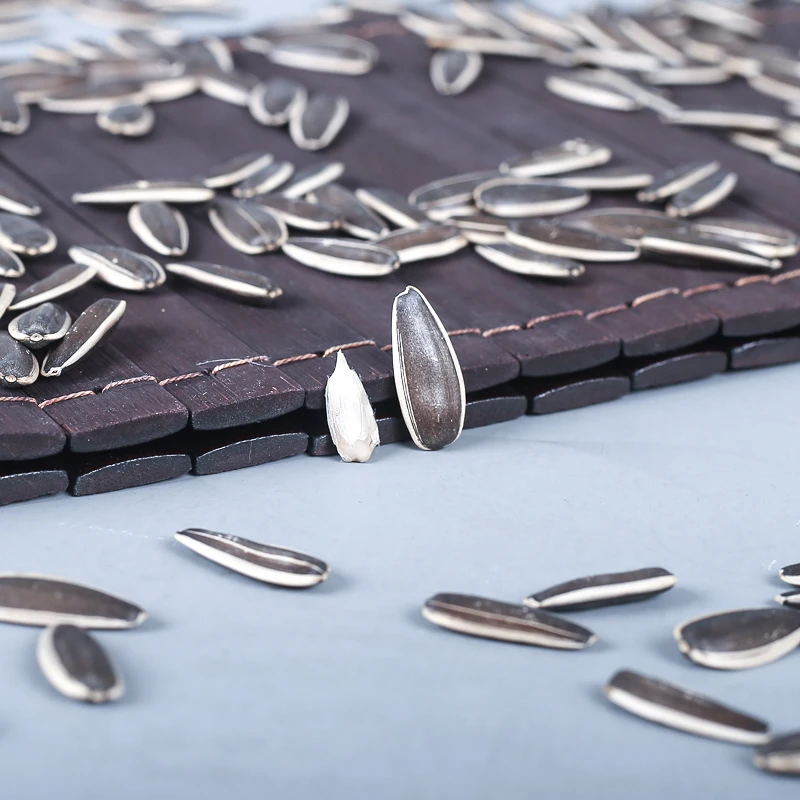
Woodland sunflower seeds ( Helianthus annuus var. woodland) represent a specialized cultivar of the common sunflower, optimized for wildlife feed and habitat restoration, rather than direct human consumption. Their technical position in the agricultural chain lies between primary seed production and secondary applications in ecological management. Unlike confectionary sunflower varieties, woodland seeds are characterized by a higher oil content, a thinner hull, and a naturally darker color. Core performance characteristics include germination rate, oil yield, protein content, and nutritional suitability for avian and small mammal species. The industry faces challenges surrounding consistent seed quality, prevention of fungal contamination during storage, and maintaining genetic purity to ensure desired traits are consistently expressed across generations. These seeds serve a critical role in bolstering biodiversity and providing a sustainable food source for various animal populations.
Material Science & Manufacturing
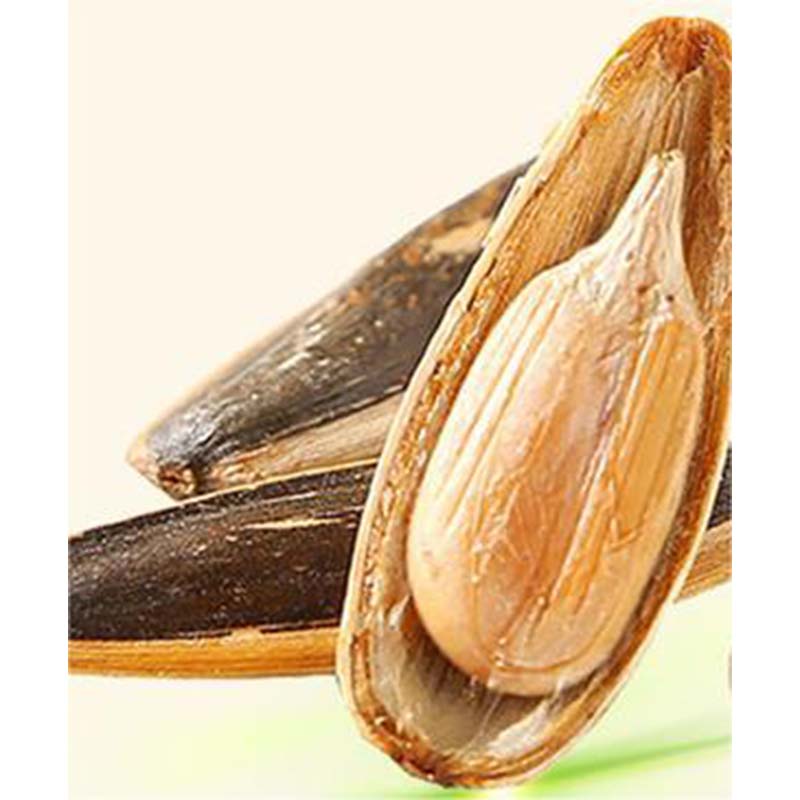
The primary raw material, the woodland sunflower achene (commonly referred to as the seed), is composed of approximately 35-45% oil, 20-30% protein, 15-25% carbohydrate (primarily cellulose in the hull), and 5-10% moisture. The oil is rich in linoleic acid, an essential fatty acid. The hull's composition is predominantly lignin and cellulose, providing structural integrity. Manufacturing begins with the selection of genetically stable, high-yielding cultivars. Seed harvesting occurs when the seed heads are physiologically mature, indicated by a darkening of the back of the seed head and reduced moisture content (typically below 15%). Post-harvest processing involves cleaning to remove debris (chaff, stems, and other seeds), drying to further reduce moisture content to a stable level (8-10% for long-term storage), and dehulling – though often woodland seeds are supplied with the hull intact for wildlife applications. Dehulling, when performed, utilizes mechanical abrasion and air separation. Key parameter control during drying is critical; excessive temperatures (>60°C) can denature proteins and reduce oil quality, while insufficient drying leads to fungal growth and mycotoxin production. Seed coating, using inert clay materials or fungal protectants, is sometimes employed to enhance handling and prevent pre-germination losses during storage. Storage conditions – cool, dry, and dark – are paramount to preserving viability and nutritional value.
Performance & Engineering
Performance of woodland sunflower seeds is evaluated based on several key engineering parameters. Germination rate, typically assessed under controlled laboratory conditions (25°C, 80% humidity), is a primary indicator of seed viability and quality. Oil yield is quantified via Soxhlet extraction, measuring the percentage of oil extracted from a known weight of seeds. Hull strength, measured through compression testing, dictates the seed’s resistance to damage during handling and feeding. The nutritional value, particularly the protein and fat content, is critical for supporting wildlife populations. Environmental resistance is assessed by examining seed performance under varying temperature and moisture regimes, simulating storage conditions and predicting long-term viability. Compliance requirements include adherence to state and federal seed laws regarding germination rates, purity, and noxious weed seed content. Force analysis during dehulling operations identifies optimal abrasion parameters to maximize oil yield while minimizing seed damage. Long-term storage stability is influenced by the seed’s moisture content and lipid oxidation rate; packaging materials with low oxygen permeability are used to mitigate oxidative degradation.
Technical Specifications
| Parameter | Unit | Typical Value (Range) | Test Method |
|---|---|---|---|
| Germination Rate | % | 85-95 | ISTA Procedure |
| Oil Content | % (dry weight basis) | 40-50 | Soxhlet Extraction (AOCS Official Method) |
| Protein Content | % (dry weight basis) | 22-28 | Kjeldahl Method (AOCS Official Method) |
| Moisture Content | % | 8-10 | Oven Drying Method (ISTA Procedure) |
| Hull Strength (Compression) | MPa | 1.5-2.5 | Universal Testing Machine |
| Linoleic Acid Content | % of total fatty acids | 60-70 | Gas Chromatography-Mass Spectrometry (GC-MS) |
Failure Mode & Maintenance
Failure modes for woodland sunflower seeds can be broadly categorized into pre-germination, germination, and post-germination issues. Pre-germination failures include physical damage during harvesting and processing (cracked seeds), fungal contamination (leading to seed rot), and insect infestation. Germination failures can result from inviability due to improper storage, nutrient deficiencies during seed development, or exposure to extreme temperatures. Post-germination failures manifest as seedling blight (caused by soilborne pathogens) and stunted growth. Failure analysis involves microscopic examination of seeds to assess structural damage, plating on nutrient media to detect fungal growth, and biochemical analysis to quantify toxin levels. Maintenance, in this context, refers to proper storage protocols. This includes maintaining a cool (<10°C), dry (<60% relative humidity), and dark environment. Regular monitoring of seed moisture content and temperature is crucial. Preventative measures include using certified disease-free seed, implementing insect control strategies in storage facilities, and rotating seed lots to minimize the risk of fungal buildup. Treating seeds with appropriate fungicides (following regulatory guidelines) can also prevent seedling blight.
Industry FAQ
Q: What is the impact of varying hull thickness on seed durability during transportation and storage?
A: Hull thickness directly correlates with seed durability. Thicker hulls provide greater physical protection against cracking and abrasion during handling, transportation, and storage. However, excessively thick hulls can reduce germination rates, as the embryo has to expend more energy to break through. Woodland sunflower seed cultivars are selected for an optimal hull thickness balance—sufficiently robust for handling, but not so thick as to impede germination.
Q: How does the oil profile (fatty acid composition) influence the seed’s susceptibility to oxidative rancidity during extended storage?
A: The degree of unsaturation in the fatty acid profile directly influences susceptibility to oxidative rancidity. Higher proportions of polyunsaturated fatty acids (like linoleic acid) are more prone to oxidation when exposed to oxygen and heat. Woodland sunflower seeds, rich in linoleic acid, require storage under low oxygen conditions and cool temperatures to minimize rancidity. Antioxidant additives are sometimes used, but are less common for seeds intended for wildlife consumption.
Q: What quality control measures are employed to ensure the absence of noxious weed seeds in commercial seed lots?
A: Rigorous quality control measures are essential. These include visual inspection of seed lots by trained personnel, utilizing seed blowers to remove lighter weed seeds, and conducting laboratory germination tests specifically designed to identify noxious weed seeds. Seed lots are often sourced from certified growers who adhere to strict weed control protocols. Compliance with state and federal seed laws regarding maximum allowable levels of noxious weed seeds is mandatory.
Q: How does seed size variation within a lot impact planting uniformity and seedling establishment?
A: Significant seed size variation can lead to uneven planting depth and inconsistent seedling emergence. Smaller seeds may be planted too shallowly and desiccate, while larger seeds may be planted too deeply and exhaust their energy reserves before reaching the surface. Seed grading, utilizing screens with specific mesh sizes, is employed to minimize seed size variation and improve planting uniformity.
Q: What are the specific considerations for maintaining genetic purity of woodland sunflower cultivars over successive generations?
A: Maintaining genetic purity requires strict adherence to isolation distances during seed production to prevent cross-pollination with other sunflower varieties. Using foundation seed (the original source of a cultivar) for each generation and implementing controlled pollination techniques (e.g., rogueing off-type plants) are crucial. Regular genetic testing, utilizing molecular markers, can verify the genetic identity and purity of seed lots.
Conclusion
Woodland sunflower seeds represent a specialized agricultural product with critical applications in wildlife management and ecological restoration. Understanding the intricacies of their material science, manufacturing processes, and performance characteristics is paramount for ensuring consistent seed quality and maximizing their effectiveness. Adherence to strict storage protocols and rigorous quality control measures are essential to mitigate failure modes and maintain long-term viability.
Future research should focus on developing cultivars with enhanced resistance to fungal pathogens, improved oil stability, and optimized hull characteristics for both wildlife consumption and efficient processing. Continued refinement of seed treatment technologies and storage practices will further enhance the sustainability and effectiveness of woodland sunflower seed applications in conservation efforts.
