Introduction
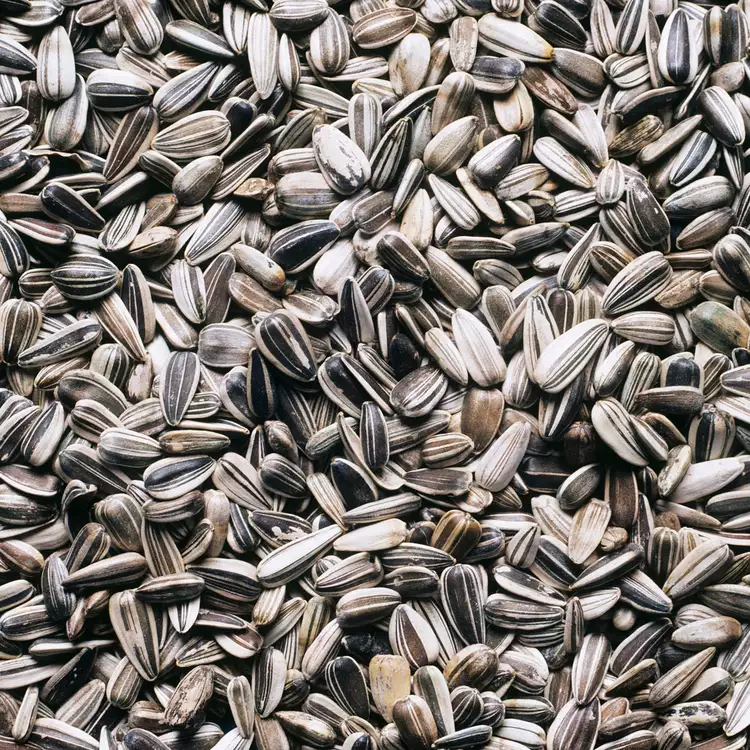
Wild sunflower seeds ( Helianthus annuus) represent a foundational agricultural product with significant ecological and economic importance. Positioned at the intersection of oilseed production, bird feed, and increasingly, human consumption, these seeds require precise characterization to ensure quality and suitability for diverse applications. Unlike cultivated sunflower varieties bred for maximized yield and oil content, wild sunflower seeds exhibit greater genetic diversity and resilience, contributing to their unique compositional profile. Core performance characteristics center on oil content, protein levels, hull percentage, and germination rate, all critical factors influencing downstream processing and product viability. This guide provides an in-depth technical overview, encompassing material science, manufacturing considerations, performance metrics, failure modes, and relevant industry standards related to wild sunflower seeds.
Material Science & Manufacturing
The primary constituents of wild sunflower seeds are oil (38-55%), protein (18-25%), carbohydrates (15-20%), and fiber (5-10%). The oil is composed primarily of linoleic acid (approximately 60-70%), oleic acid (approximately 20-30%), and palmitic acid (approximately 5-10%). Protein content includes essential amino acids, contributing to nutritional value. The seed hull, composed of lignin and cellulose, provides a protective layer but represents a processing challenge due to its recalcitrant nature. Manufacturing begins with harvesting, typically mechanically, followed by drying to a moisture content of 9-10% to prevent fungal growth and maintain seed viability. Seed cleaning involves removing debris, stems, and leaves through a combination of screening, aspiration, and gravity separation. Hulling, a crucial step, utilizes impact or abrasive methods to remove the outer shell, impacting oil yield and seed quality. Precise control of impact force and abrasive surface characteristics is vital to minimize kernel damage. Post-hulling, seeds undergo grading based on size and density, followed by storage under controlled temperature and humidity (typically below 15°C and 65% relative humidity) to preserve oil quality and prevent rancidity. The manufacturing process necessitates robust quality control measures, including regular monitoring of moisture content, oil content, and free fatty acid levels to maintain consistent product specifications.

Performance & Engineering
Performance of wild sunflower seeds is critically linked to their structural integrity and resistance to environmental stressors. Force analysis during handling and processing (impact during hulling, compression during oil extraction) reveals stress concentration points in the kernel, potentially leading to cracking and reduced oil yield. Environmental resistance focuses on minimizing lipid oxidation, a major degradation pathway triggered by exposure to oxygen, light, and elevated temperatures. Packaging materials with low oxygen transmission rates (OTR) and UV protection are therefore essential. Germination rate, a key performance indicator for seed intended for replanting or sprout production, is influenced by seed viability, dormancy mechanisms, and the presence of seed-borne pathogens. Compliance requirements vary based on intended use. For human consumption, adherence to food safety regulations (e.g., FDA guidelines in the US, EFSA regulations in Europe) is paramount, including limits on mycotoxin contamination (aflatoxins, ochratoxins) and pesticide residues. For bird feed applications, nutritional analysis and compliance with feed safety standards are crucial. Furthermore, the seeds' mechanical properties – tensile strength of the hull and kernel, fracture toughness – directly affect processing efficiency and the yield of usable products. Seed coat integrity influences the rate of water absorption during germination or sprouting, impacting seedling vigor and establishment.
Technical Specifications
| Parameter | Unit | Typical Range (Wild Sunflower Seeds) | Test Method |
|---|---|---|---|
| Oil Content (Dry Basis) | % | 40-50 | AOAC 985.05 |
| Protein Content (Dry Basis) | % | 18-25 | Kjeldahl Method (AOAC 978.05) |
| Hull Percentage | % | 25-40 | Visual Sorting and Weighing |
| Moisture Content | % | 8-10 | Oven Drying Method (AOAC 925.09) |
| Germination Rate | % | 60-80 | ISTA Rules (International Seed Testing Association) |
| Free Fatty Acid (FFA) Content | % (as oleic acid) | <0.5 | Titration Method (AOCS Cd 3-63) |
Failure Mode & Maintenance
Common failure modes in wild sunflower seeds include lipid oxidation leading to rancidity (manifesting as off-flavors and reduced nutritional value), cracking of the kernel during processing due to excessive impact forces, fungal contamination (particularly Aspergillus species producing aflatoxins) under high humidity conditions, and insect infestation during storage. Fatigue cracking during hulling is exacerbated by uneven seed size and improper machine calibration. Delamination of the seed coat can occur during drying if the drying rate is too rapid, leading to reduced germination rate. Degradation of oil quality is accelerated by exposure to light and heat. Maintenance strategies involve strict adherence to optimal storage conditions (low temperature, low humidity, dark environment), regular monitoring for fungal growth and insect activity, and implementation of robust cleaning and sanitation protocols in processing facilities. Proper hulling machine maintenance, including regular inspection and replacement of impact plates and abrasive surfaces, is critical to minimize kernel damage. Employing antioxidant packaging materials can mitigate lipid oxidation. Proactive risk assessment and preventative measures throughout the supply chain are essential to minimize the incidence of failure.
Industry FAQ
Q: What are the primary factors contributing to aflatoxin contamination in wild sunflower seeds and how can they be mitigated?
A: Aflatoxin contamination is primarily caused by Aspergillus flavus and Aspergillus parasiticus fungi, which thrive in warm, humid conditions. Mitigation strategies include pre-harvest irrigation management to reduce drought stress, timely harvesting to avoid prolonged exposure to fungal spores, proper drying to reduce moisture content below 10%, and the use of antifungal treatments (where permitted by regulations). Regular testing for aflatoxins is essential to ensure compliance with food safety standards.
Q: How does the hull percentage affect the oil extraction efficiency and oil quality?
A: A higher hull percentage reduces the overall oil yield, as the hull itself contains minimal oil. The presence of hull fragments can also interfere with oil extraction processes. While hulling is crucial, excessive mechanical damage during hulling can release fatty acids, increasing the free fatty acid content and potentially degrading oil quality. Optimized hulling parameters are key.
Q: What are the differences in fatty acid profiles between wild sunflower seeds and commercially bred sunflower varieties?
A: Wild sunflower seeds generally exhibit greater variability in fatty acid profiles compared to commercial varieties, often containing higher levels of polyunsaturated fatty acids (PUFAs) such as linoleic acid. While commercial varieties are often bred for high oleic acid content for improved oxidative stability, wild types retain a more diverse lipid composition, potentially offering unique nutritional benefits.
Q: What packaging materials are recommended to minimize lipid oxidation during storage?
A: Packaging materials with low oxygen transmission rates (OTR) and UV protection are crucial. Options include multilayer films incorporating aluminum foil, metallized polyester, or EVOH (ethylene vinyl alcohol) layers. Vacuum packaging or modified atmosphere packaging (MAP) with nitrogen flushing can further reduce oxidation rates. Dark-colored packaging also helps minimize light-induced oxidation.
Q: How does seed size and uniformity affect the performance of hulling equipment?
A: Seed size and uniformity significantly impact hulling efficiency. Variations in seed size require more precise calibration of hulling equipment to avoid kernel damage. Larger seeds generally require higher impact forces, increasing the risk of cracking. Consistent seed size minimizes energy consumption and improves the overall hulling process.
Conclusion
Wild sunflower seeds represent a complex agricultural resource requiring a nuanced understanding of their material science, manufacturing processes, and performance characteristics. Maintaining optimal oil quality, minimizing fungal contamination, and maximizing germination rates are paramount concerns for ensuring product viability and meeting industry standards. Effective quality control measures throughout the supply chain, coupled with appropriate packaging and storage strategies, are essential to mitigate potential failure modes.
Future research should focus on optimizing hulling technologies to minimize kernel damage and improve oil yield, developing more robust methods for detecting and mitigating aflatoxin contamination, and exploring the potential for breeding wild sunflower varieties with enhanced nutritional profiles and improved processing characteristics. Addressing these challenges will unlock the full potential of wild sunflower seeds as a sustainable and valuable agricultural commodity.
