Introduction
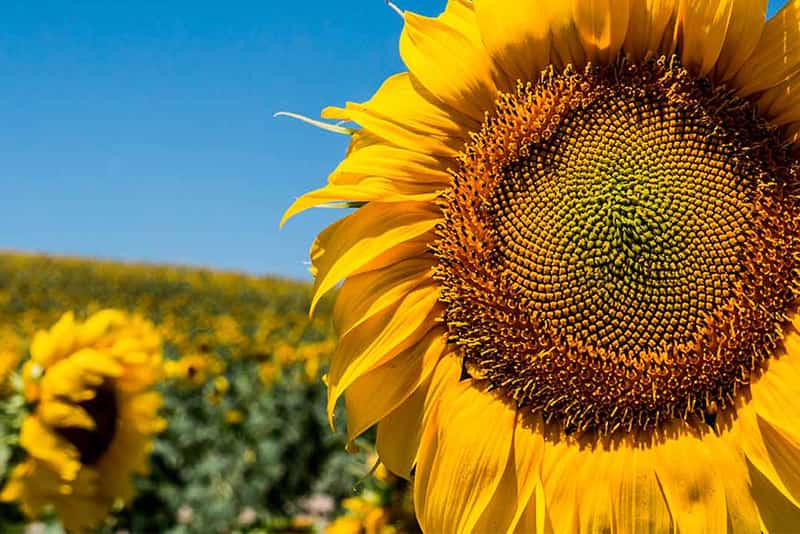
Wild sunflower seeds ( Helianthus annuus) represent a critical component of both ecological restoration efforts and the burgeoning native plant landscaping market. Positioned within the agricultural supply chain as a propagative material, these seeds differ substantially from their cultivated counterparts in genetic diversity, growth habit, and overall resilience. Core performance characteristics center around germination rate, genetic purity (specifically, minimal cross-contamination with cultivated varieties), seed viability, and adaptability to diverse soil and climatic conditions. The growing demand stems from increased awareness of biodiversity loss, pollinator decline, and the benefits of utilizing native species in landscaping for reduced maintenance and enhanced ecological function. This guide provides a comprehensive technical overview of wild sunflower seed production, quality control, performance evaluation, and potential failure modes, serving as a resource for procurement professionals, land managers, and agricultural specialists.
Material Science & Manufacturing
The foundation of high-quality wild sunflower seeds lies in understanding the material science of the seed itself and the manufacturing processes involved in its collection, cleaning, and storage. The seed’s hull, or pericarp, is composed primarily of lignocellulose, providing a protective barrier against physical damage and pathogen ingress. The endosperm stores lipids (primarily linoleic and oleic acids), proteins, and carbohydrates – the energy reserves required for germination. Manufacturing begins with seed harvest, typically performed when the seed head is dry and mature. Mechanical harvesting methods are common, employing combine harvesters adapted for seed collection. Crucially, the impact forces during harvesting can induce micro-cracks in the pericarp, reducing seed viability. Post-harvest, seeds undergo cleaning to remove chaff, stems, and other debris. This typically involves screening, aspiration (using air currents to separate lighter materials), and gravity separation. Key parameters to control during cleaning are seed damage rate (percentage of cracked or broken seeds) and seed purity (percentage of wild sunflower seeds relative to other species). Drying is paramount to prevent fungal growth and maintain viability. Optimal moisture content for long-term storage is typically below 8%, achieved through controlled-temperature drying processes. Storage conditions – temperature, humidity, and oxygen levels – directly impact seed longevity. Seed coating with protective polymers (e.g., polyethylene glycol) can further enhance shelf life and germination performance. Chemical compatibility of coating materials with seed components must be rigorously tested to avoid inhibiting germination.
Performance & Engineering
The performance of wild sunflower seeds is primarily evaluated through germination rate, seedling vigor, and the genetic consistency of the resulting plants. Germination rate is influenced by seed dormancy, which is a complex physiological state regulated by hormonal balances (abscisic acid and gibberellins). Stratification – a period of cold, moist storage – can break dormancy in many wild sunflower ecotypes. Seedling vigor, quantified by metrics such as root length, shoot length, and biomass accumulation, reflects the seed's stored energy reserves and the quality of the embryo. Engineering considerations focus on optimizing seed dispersal methods for restoration projects. Broadcast seeding is a common technique, but seed predation by birds and rodents can significantly reduce establishment success. Drill seeding, while more labor-intensive, provides better seed-to-soil contact and reduces predation risk. The environmental resistance of wild sunflower seeds is a key performance characteristic. They exhibit greater tolerance to drought, poor soil conditions, and temperature fluctuations compared to cultivated varieties. Compliance requirements vary depending on the intended use. For use in ecological restoration projects funded by government agencies, seed source verification (ensuring the seeds are sourced from local ecotypes) is often mandated to preserve genetic diversity and prevent unintended ecological consequences. Force analysis regarding seed impact during planting informs the selection of appropriate seeding equipment to minimize damage. Furthermore, understanding the allelopathic effects (chemical interactions with other plants) of wild sunflowers is critical for successful integration into mixed-species plantings.
Technical Specifications
| Parameter | Units | Typical Range (Wild Sunflower) | Cultivated Sunflower (Comparison) |
|---|---|---|---|
| Germination Rate | % | 70-90 | 90-98 |
| Seed Moisture Content (Storage) | % | <8 | <8 |
| Oil Content | % (Dry Weight) | 30-45 | 40-55 |
| Protein Content | % (Dry Weight) | 18-25 | 20-28 |
| 1000-Seed Weight | g | 5-10 | 8-15 |
| Genetic Diversity (Heterozygosity) | % | >80 | <50 |
Failure Mode & Maintenance
Failure modes for wild sunflower seeds can be categorized into pre-planting, planting, and post-planting issues. Pre-planting failures include low germination rates due to poor seed quality (cracked pericarp, insect damage, fungal infection) or improper storage. Seed viability declines over time, particularly under high temperature and humidity. Planting failures result from insufficient seed-to-soil contact, seed predation, or unfavorable soil conditions (compaction, nutrient deficiencies). Post-planting failures involve seedling mortality due to drought stress, competition from weeds, or disease. A common failure mechanism is fungal attack during germination, particularly by species of Alternaria and Fusarium. Seed treatment with fungicides can mitigate this risk, but requires careful selection of compounds with minimal environmental impact. Maintenance strategies focus on preserving seed quality. This includes storing seeds in airtight containers in a cool, dry, and dark environment. Regular monitoring of seed moisture content is crucial. Implementing quality control procedures during harvesting and cleaning, such as sieving and visual inspection, can minimize seed damage and contamination. Seed lots should be tested for germination rate and viability on a regular basis, and older lots should be prioritized for use to avoid further loss of viability. Preventive measures against seed predation in the field include utilizing seed coatings with repellent properties and employing protective netting or fencing.
Industry FAQ
Q: What is the significance of seed source provenance in wild sunflower restoration projects?
A: Seed source provenance, meaning the geographic origin of the seeds, is critically important. Using seeds sourced from local ecotypes ensures that the resulting plants are adapted to the specific climatic and soil conditions of the restoration site. This maximizes establishment success and preserves the genetic diversity of local wild sunflower populations. Seeds sourced from distant regions may exhibit reduced fitness and potentially disrupt local ecosystems.
Q: How does seed coating impact germination and seedling emergence?
A: Seed coating can significantly impact germination and seedling emergence. Polymers can protect seeds from desiccation and fungal pathogens. Insecticidal coatings can deter predation. However, the coating material must be biocompatible with the seed and not inhibit germination. Incorrectly formulated coatings can reduce germination rates or delay emergence.
Q: What methods are used to assess seed quality beyond germination rate?
A: Beyond germination rate, seed quality is assessed using tetrazolium testing (to determine seed viability based on metabolic activity), seed moisture content analysis, and physical purity analysis (to quantify the percentage of wild sunflower seeds relative to weed seeds and other contaminants). Seedling vigor tests are also performed to evaluate the growth potential of the seedlings.
Q: What is the typical shelf life of properly stored wild sunflower seeds?
A: Properly stored wild sunflower seeds (below 8% moisture content, cool and dry environment) can maintain viability for 3-5 years, although germination rates will gradually decline over time. Regular testing is recommended to monitor seed quality and ensure acceptable germination rates.
Q: What are the key considerations when selecting a mechanical harvester for wild sunflower seed collection?
A: Key considerations include minimizing seed damage during harvesting. Combine harvesters should be equipped with concave settings and rotor speeds optimized for wild sunflower seeds. The harvester should also have efficient cleaning systems to remove chaff and debris without damaging the seeds. Regular maintenance and calibration are essential.
Conclusion
Wild sunflower seed production and utilization require a detailed understanding of material science, manufacturing processes, and ecological principles. Achieving consistent performance hinges on meticulous quality control throughout the supply chain, from harvesting and cleaning to storage and planting. The technical specifications outlined in this guide provide a framework for evaluating seed quality and ensuring successful restoration outcomes.
Future developments in seed technology, such as the application of advanced seed coatings and precision seeding techniques, promise to further enhance the efficiency and effectiveness of wild sunflower restoration efforts. Continued research into the genetic diversity and adaptive capacity of wild sunflower populations is essential for maintaining the long-term resilience of these valuable ecosystems.
