Introduction
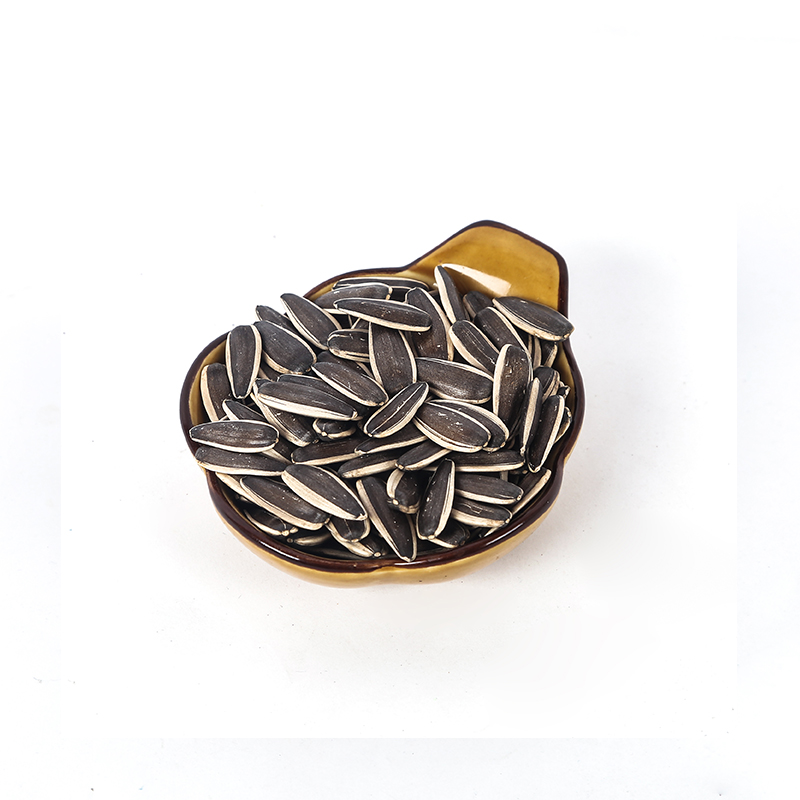
Wild Dutchman sunflower seeds ( Helianthus annuus) represent a crucial component within the agricultural supply chain, serving as a primary source of edible oil, livestock feed, and increasingly, within emerging biomaterial applications. Their technical position lies at the intersection of agronomy, seed processing technology, and downstream refining/manufacturing processes. These seeds are not a uniform product; significant variation exists based on cultivar, growing conditions, and post-harvest handling. Core performance characteristics are defined by oil content (typically 40-50% by weight), protein content (20-25%), hull percentage, and the fatty acid profile of the extracted oil. A key industry pain point centers on maintaining consistent seed quality and minimizing mycotoxin contamination, impacting both food safety and oil processing efficiency. Another critical concern is optimizing oil yield while managing the environmental impact of large-scale sunflower cultivation, specifically water usage and pesticide application. This guide provides an in-depth technical overview of wild dutchman sunflower seeds, covering material science, manufacturing processes, performance characteristics, failure modes, and relevant industry standards.
Material Science & Manufacturing
The primary raw material, the sunflower seed, comprises several key constituents. The hull (pericarp) is composed predominantly of cellulose and lignin, providing structural integrity. The kernel contains the embryo, endosperm (rich in oil and protein), and seed coat. Oil content is largely determined by triacylglycerol composition, specifically linoleic acid (C18:2), oleic acid (C18:1), and palmitic acid (C16:0). Protein content consists primarily of globulins and albumins, with varying levels of essential amino acids. The manufacturing process begins with harvesting, followed by drying to reduce moisture content to approximately 9-10% to inhibit fungal growth. Mechanical dehulling removes the outer hull, typically utilizing abrasive or impact methods. Seed cleaning separates foreign material (stalks, leaves, weed seeds). Oil extraction is commonly achieved via mechanical pressing (expelling) or solvent extraction (typically hexane). Solvent extraction offers higher oil yields but requires rigorous solvent removal to meet food safety standards. Key parameters during oil extraction include temperature (maintained below 60°C to prevent oxidation), pressure, and solvent-to-seed ratio. Refining processes, including degumming, neutralization, bleaching, and deodorization, are critical to remove impurities and improve oil stability. The remaining seed cake (meal) is processed into animal feed, requiring careful analysis of residual oil content and protein levels. Quality control at each stage, employing near-infrared spectroscopy (NIRS) for rapid compositional analysis, is essential.
Performance & Engineering
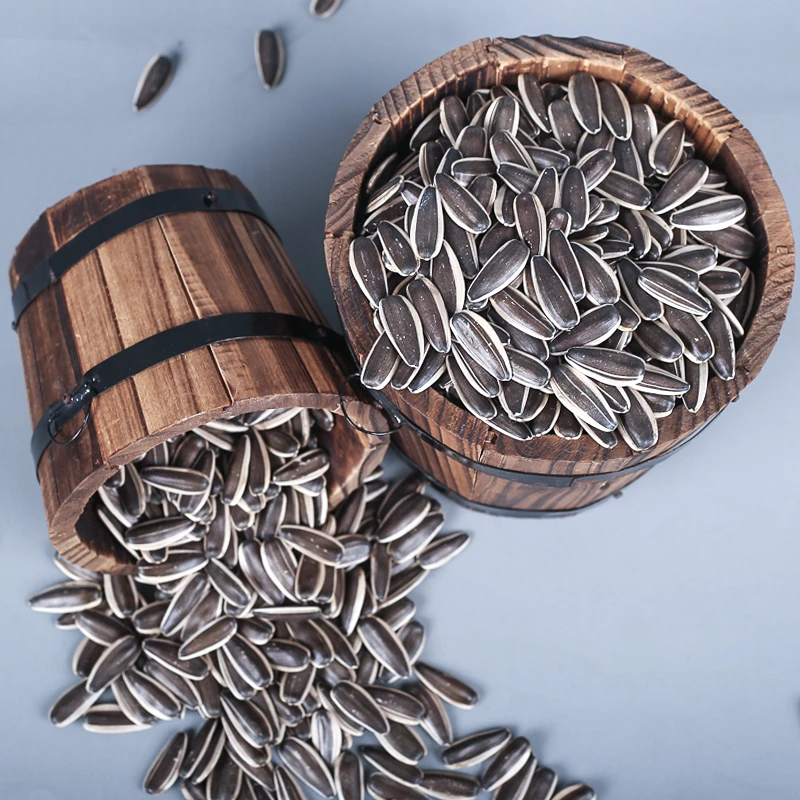
The performance of sunflower seeds and their derived products is governed by several engineering principles. The compressive strength of the seed hull is crucial for efficient dehulling, impacting breakage rates and kernel damage. The oil’s viscosity and surface tension influence its flow properties during processing and its suitability for various applications (e.g., lubricants, biodiesel). Oxidative stability, measured by Rancimat testing, is a critical performance indicator, influenced by antioxidant levels (tocopherols) and fatty acid composition. Sunflower oil’s resistance to thermal degradation is important in high-temperature cooking applications. From an agronomic perspective, the plant's structural integrity – stem tensile strength and root anchorage – dictates its resistance to lodging (falling over), impacting harvest efficiency. The seed's moisture content affects its susceptibility to fungal infection and mycotoxin production (aflatoxins, ochratoxins). Compliance requirements include adherence to maximum allowable levels of mycotoxins as established by regulatory bodies (e.g., FDA, EFSA). The oil’s suitability for biodiesel production is determined by its cetane number, cold filter plugging point, and kinematic viscosity, impacting engine performance and emissions. Furthermore, engineering considerations extend to the design of processing equipment, optimizing material handling, minimizing energy consumption, and ensuring hygienic operation.
Technical Specifications
| Parameter | Unit | Typical Range (Wild Dutchman) | Testing Method |
|---|---|---|---|
| Oil Content (Dry Basis) | % | 44 – 48 | AOAC Official Method 985.07 |
| Protein Content (Dry Basis) | % | 20 – 24 | Kjeldahl Method (AOAC Official Method 978.05) |
| Hull Percentage | % | 28 – 32 | Visual Sorting & Weighing |
| Linoleic Acid (C18:2) | % of Total Fatty Acids | 55 – 65 | Gas Chromatography (GC-FID) |
| Oleic Acid (C18:1) | % of Total Fatty Acids | 15 – 30 | Gas Chromatography (GC-FID) |
| Moisture Content | % | ≤ 9.0 | Oven Drying Method (AOAC Official Method 925.09) |
Failure Mode & Maintenance
Sunflower seeds are susceptible to several failure modes throughout their lifecycle. Pre-harvest, fungal infection (e.g., Sclerotinia, Phomopsis) can lead to seed rot and mycotoxin contamination. Mechanical damage during harvesting or handling can cause kernel cracking, reducing oil yield and increasing susceptibility to insect infestation. During storage, improper drying and ventilation can promote mold growth and aflatoxin production. Lipid oxidation, evidenced by rancidity, degrades oil quality and reduces its nutritional value. Delamination of the seed coat can occur due to fluctuating temperature and humidity. In processing, wear and tear on dehulling equipment can lead to increased breakage and reduced efficiency. Failure of solvent recovery systems in oil extraction can result in residual solvent contamination. Maintenance strategies include regular inspection and cleaning of harvesting and processing equipment, strict control of storage conditions (temperature, humidity, ventilation), implementation of robust quality control programs to monitor mycotoxin levels, and adherence to best practices for oil handling and storage to minimize oxidation. Preventive maintenance schedules for dehulling equipment should focus on replacing abrasive surfaces and monitoring bearing performance to minimize seed damage. Regular calibration of analytical instruments (NIRS, GC-FID) is critical for accurate quality assessment.
Industry FAQ
Q: What are the critical factors impacting sunflower oil's oxidative stability, and how can these be mitigated?
A: Oxidative stability is primarily influenced by the fatty acid profile (higher oleic acid content is more stable), tocopherol levels (natural antioxidants), and the presence of trace metals (pro-oxidants). Mitigation strategies include selecting high-oleic sunflower varieties, minimizing exposure to light and oxygen during processing and storage, adding synthetic antioxidants (e.g., TBHQ), and employing refining processes to remove trace metals.
Q: How does hull percentage affect the efficiency of oil extraction, and what techniques are used to optimize hull removal?
A: Higher hull percentages reduce oil yield as the hull contains minimal oil. Efficient dehulling is crucial. Techniques include utilizing properly maintained dehulling equipment with adjustable cracking pressures, employing pre-conditioning methods to weaken the hull structure, and implementing advanced seed cleaning systems to remove residual hull fragments.
Q: What are the regulatory limits for aflatoxins in sunflower seeds and oil, and how are these levels monitored?
A: Regulatory limits vary by country. The FDA sets a limit of 20 parts per billion (ppb) for aflatoxins in food and feed. Monitoring is typically conducted using Enzyme-Linked Immunosorbent Assay (ELISA) and High-Performance Liquid Chromatography (HPLC) with fluorescent detection.
Q: What is the impact of seed moisture content on long-term storage stability, and what drying methods are commonly employed?
A: High moisture content promotes fungal growth and mycotoxin production, significantly reducing storage life. Seeds should be dried to ≤ 9.0% moisture content. Common drying methods include forced-air drying, fluidized bed drying, and solar drying. Proper aeration during storage is also critical to prevent moisture re-absorption.
Q: How can near-infrared spectroscopy (NIRS) be utilized for rapid quality control of sunflower seeds, and what parameters can be accurately measured?
A: NIRS provides rapid, non-destructive analysis of seed composition. It can accurately measure oil content, protein content, moisture content, and hull percentage with minimal sample preparation. Calibration models must be developed using reference methods (e.g., Soxhlet extraction, Kjeldahl method) for accurate predictions.
Conclusion
Wild Dutchman sunflower seeds represent a valuable commodity, subject to stringent quality requirements across the entire value chain, from agricultural production to refined oil products. Understanding the complex interplay of material science, manufacturing processes, and engineering principles is paramount to optimizing yield, ensuring food safety, and minimizing environmental impact. Maintaining consistent seed quality, controlling mycotoxin contamination, and maximizing oil extraction efficiency remain key industry challenges.
Future advancements will likely focus on developing improved sunflower varieties with enhanced oil content and oxidative stability, implementing more sustainable agricultural practices to reduce water usage and pesticide application, and utilizing advanced processing technologies to minimize energy consumption and waste generation. Continued adherence to international standards and rigorous quality control protocols will be critical to ensure the long-term viability and competitiveness of the sunflower seed industry.
