Introduction
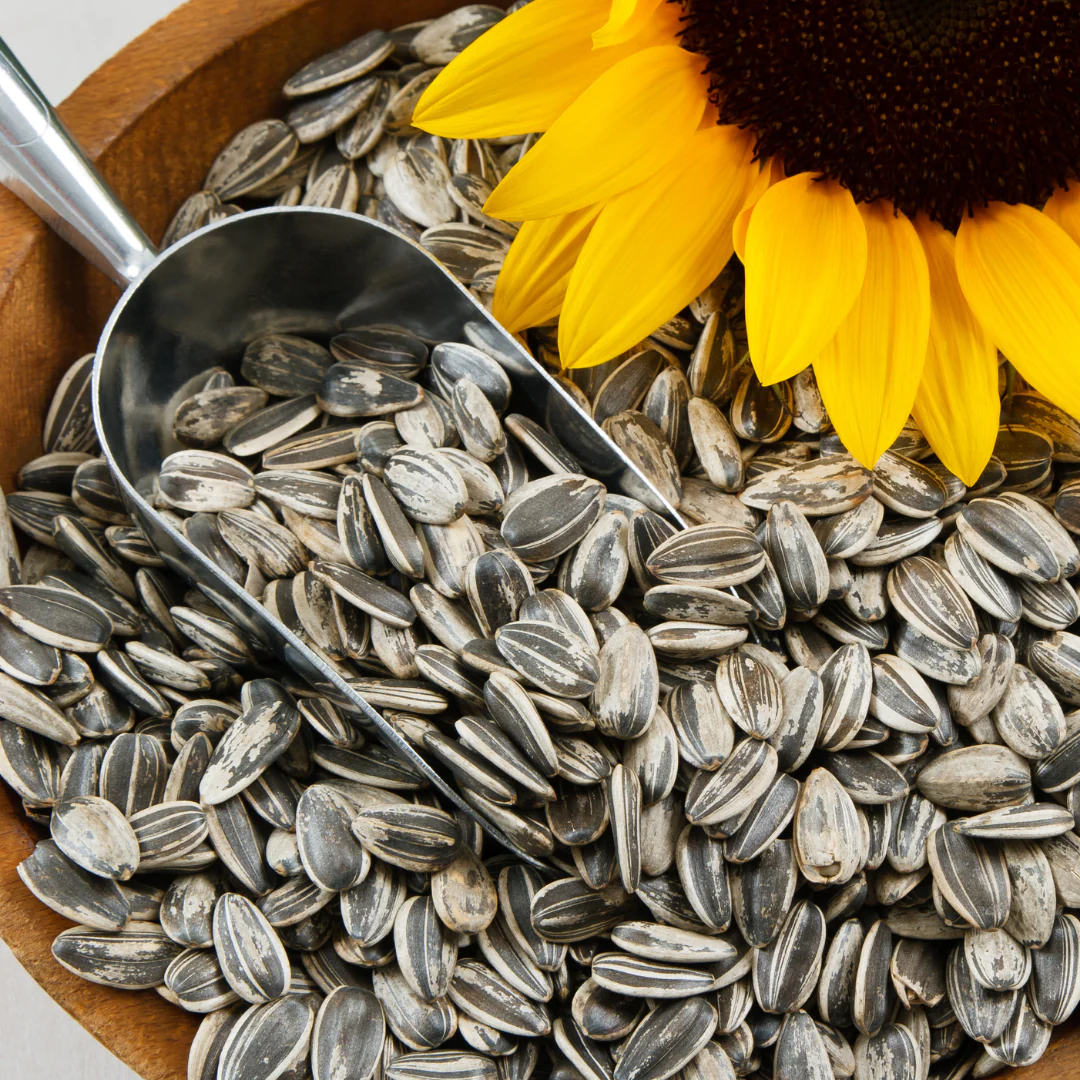
Sunflower seeds ( Helianthus annuus) represent a significant commodity in the global food and oilseed market. This guide details the technical aspects of wholesale healthy sunflower seeds, focusing on quality control, nutritional profile, processing parameters, and shelf-life considerations. Positioned within the agricultural supply chain between primary production and food manufacturers/retailers, sunflower seeds are valued for their high oil content, protein, and essential fatty acids. Core performance characteristics center around oil yield, protein content, moisture levels, and the absence of contaminants like aflatoxins and foreign materials. The industry faces increasing demands for traceable, sustainably sourced seeds meeting stringent food safety standards. This document aims to provide a comprehensive understanding of these facets for B2B procurement and quality assurance professionals.
Material Science & Manufacturing
Sunflower seeds consist primarily of three components: the hull (pericarp), kernel (cotyledon), and germ. The hull, composed largely of cellulose and lignin, provides physical protection. The kernel is rich in oil (40-55%), protein (18-25%), and fiber. The germ contains vital nutrients and enzymes. Seed varieties are classified as oil-type (high oil content, black seeds) or confectionery-type (larger kernel, lighter color, lower oil content). Manufacturing begins with harvesting, followed by drying to a target moisture content of 8-10% to prevent fungal growth and enzymatic degradation. Cleaning removes debris, dust, and foreign materials using a combination of screens, aspiration, and gravity separation. Hulling, a critical process, separates the kernel from the hull using impact, friction, or a combination thereof. The efficiency of hulling directly impacts product yield and quality. Post-hulling, seeds undergo further cleaning, grading by size, and optical sorting to remove discolored or damaged kernels. Parameter control during drying is paramount, with temperature and airflow carefully monitored to preserve oil quality and prevent cracking. The lipid profile is greatly affected by growth temperature and water availability, with lower temps producing higher oleic acid concentrations.
Performance & Engineering
Sunflower seed performance is assessed through several engineering parameters. Kernel hardness, measured using a penetrometer, influences oil extraction efficiency. A higher hardness generally corresponds to better oil yield but may require more energy during processing. Moisture content is critical; exceeding 10% promotes microbial growth, while falling below 6% causes cracking during handling. The oil content is determined via Soxhlet extraction or NMR spectroscopy. Force analysis during handling, transportation and processing needs to account for impact forces which can cause kernel damage and dust formation. Environmental resistance is assessed through accelerated aging studies, exposing seeds to elevated temperatures and humidity to predict shelf-life. Compliance requirements include adherence to food safety regulations (e.g., HACCP, GMP) and contaminant limits set by regulatory bodies. Specifically, aflatoxin levels must be below established thresholds (typically <20 ppb). Furthermore, regulations regarding pesticide residues and heavy metal content must be strictly followed. Kernel size distribution affects sorting efficiency and downstream processing. The flowability and bulk density also play a role in optimizing storage and transportation logistics.
Technical Specifications
| Parameter | Unit | Oil-Type Seeds | Confectionery-Type Seeds |
|---|---|---|---|
| Oil Content (Dry Basis) | % | 48-55 | 38-45 |
| Kernel Moisture Content | % | 8-10 | 8-10 |
| Kernel Hardness | N | 80-120 | 50-80 |
| Kernel Size (Average Diameter) | mm | 8-12 | 12-16 |
| Protein Content (Dry Basis) | % | 18-25 | 20-28 |
| Aflatoxin Level (Maximum) | ppb | <20 | <20 |
Failure Mode & Maintenance
Sunflower seeds are susceptible to several failure modes. Lipid oxidation, leading to rancidity, is a primary concern, accelerated by exposure to oxygen, light, and heat. Aflatoxin contamination, caused by Aspergillus fungi, can occur during improper storage or drying. Mechanical damage (cracking, chipping) during handling and processing reduces quality and increases dust formation. Insect infestation can lead to significant losses. Hull fragments remaining on the kernel can impact processing efficiency and product aesthetics. Preventative maintenance focuses on proper storage conditions (cool, dry, dark), regular pest control, and rigorous cleaning procedures. Antioxidants (e.g., Vitamin E) can be added to slow oxidation. Regular monitoring of moisture content and aflatoxin levels is essential. Equipment maintenance, including cleaning and lubrication of hulling and sorting machines, minimizes mechanical damage. First-in, first-out (FIFO) inventory management ensures minimal storage time and reduces the risk of degradation. Packaging materials should offer a barrier to oxygen and moisture.
Industry FAQ
Q: What is the acceptable level of foreign material in wholesale sunflower seeds?
A: The acceptable level of foreign material varies depending on the end-use application. Generally, a maximum of 1-2% is considered acceptable for food-grade seeds. However, stricter tolerances (<0.5%) are often specified for confectionery applications. Foreign material includes stones, sticks, leaves, and other non-seed components. Contractual specifications should clearly define the acceptable limits.
Q: How does the drying process impact the oil quality of sunflower seeds?
A: Improper drying can significantly degrade oil quality. High temperatures can cause oxidation and the loss of valuable polyunsaturated fatty acids. Rapid drying can lead to cracking and increased susceptibility to moisture reabsorption. The ideal drying process involves a gradual reduction in moisture content using controlled temperature and airflow, typically below 50°C (122°F).
Q: What are the key indicators of aflatoxin contamination, and how can it be mitigated?
A: Visible mold growth (often greenish or yellowish) on the seeds is a primary indicator. However, aflatoxins are not always visually detectable. Regular laboratory testing using ELISA or HPLC methods is crucial for accurate detection. Mitigation strategies include proper drying, effective storage practices, and the use of antifungal treatments where permitted by regulations.
Q: What is the shelf life of properly stored sunflower seeds?
A: Properly stored sunflower seeds, maintained at a moisture content of 8-10% and protected from light, heat, and oxygen, can have a shelf life of 12-18 months. However, oil quality will gradually decline over time due to oxidation. Periodic monitoring of oil quality parameters (peroxide value, acidity) is recommended.
Q: What are the primary differences between oil-type and confectionery-type sunflower seeds in terms of processing requirements?
A: Oil-type seeds require more robust hulling equipment due to their smaller kernel size and harder hulls. Confectionery-type seeds, with their larger kernels, are easier to hull but are more susceptible to mechanical damage. Oil-type seeds are typically processed for oil extraction, while confectionery seeds are often roasted and consumed as snacks.
Conclusion
Wholesale healthy sunflower seeds represent a complex agricultural product requiring careful attention to material science, manufacturing processes, and quality control parameters. Maintaining optimal moisture content, minimizing mechanical damage, and preventing aflatoxin contamination are critical for preserving product quality and ensuring food safety. Understanding the nuanced differences between oil-type and confectionery-type seeds, alongside adherence to international standards, is paramount for successful procurement and processing.
The continued development of advanced sorting technologies, improved drying techniques, and sustainable agricultural practices will further enhance the quality and traceability of wholesale sunflower seeds. Investing in robust analytical capabilities for monitoring key quality parameters, such as oil content, protein content, and aflatoxin levels, is essential for maintaining a competitive edge in the global marketplace. A proactive approach to risk management, incorporating preventative maintenance and rigorous quality assurance protocols, will contribute to long-term supply chain resilience.
