Introduction
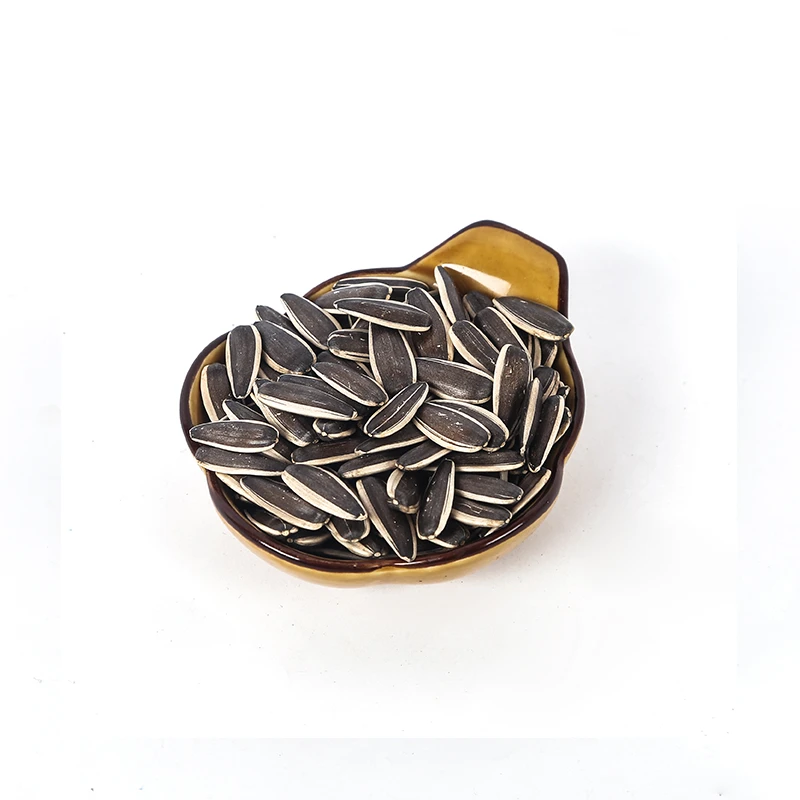
Whole30 sunflower seeds represent a specific segment within the broader sunflower seed market, categorized by their compliance with the Whole30 dietary program. The Whole30 program emphasizes whole, unprocessed foods, eliminating grains, legumes, dairy, refined sugars, and alcohol. Consequently, acceptable sunflower seeds are typically raw, dry-roasted (without added sugars or oils not compliant with Whole30), or lightly seasoned with Whole30-approved spices. Their technical positioning within the food supply chain places them as a finished agricultural product requiring minimal processing, primarily focusing on cleaning, drying, and potentially light seasoning. Core performance characteristics relate to nutritional density (healthy fats, protein, Vitamin E), seed integrity (minimizing broken kernels), and adherence to Whole30 ingredient restrictions. The increasing demand for compliant snack options drives the market, positioning these seeds as a convenient and healthy option for individuals adhering to restrictive diets.
Material Science & Manufacturing
Sunflower seeds ( Helianthus annuus) are fundamentally composed of a kernel encased within a hull (pericarp). The kernel’s composition is approximately 58-68% oil, 20-25% protein, 10-15% carbohydrates (primarily fiber), and a small percentage of vitamins and minerals. The oil is rich in linoleic acid (an omega-6 fatty acid) and oleic acid (an omega-9 fatty acid). The hull consists largely of cellulose and lignin, providing structural integrity. Manufacturing begins with harvesting mature sunflower heads. Kernels are extracted mechanically, often utilizing a combine harvester equipped with a threshing and cleaning system. This initial extraction is followed by cleaning to remove chaff, stems, and other debris. Drying is crucial to reduce moisture content to approximately 8-10% to prevent fungal growth and rancidity. This is typically achieved using forced-air drying, controlling temperature (typically below 60°C) to minimize oil degradation. For Whole30 compliance, the seeds must remain unprocessed beyond this point or be seasoned solely with approved ingredients like sea salt. Critical parameters include moisture content, oil stability (measured by peroxide value and anisidine value), and absence of prohibited additives. Kernel size is also a key characteristic, influencing roasting consistency and overall product appeal. Hull strength is important for minimizing breakage during processing.
Performance & Engineering
The primary performance characteristic of Whole30 sunflower seeds is nutritional integrity. This is directly linked to the preservation of oil quality and preventing oxidation. Environmental resistance is relevant during storage; exposure to oxygen, light, and heat accelerates rancidity. Packaging plays a crucial role, with airtight, opaque containers preferred. Mechanical strength, although not a primary engineering concern, influences handling and transport. Impact resistance of the kernels is important to minimize cracking and dust generation. Force analysis focuses on the breaking strength of the hull, which influences de-hulling efficiency (though Whole30 compliant seeds typically retain the hull). Compliance requirements extend beyond just ingredient lists to include processing standards. Facility hygiene is paramount to prevent contamination with allergens or non-compliant substances. Maintaining a consistent oil content and fatty acid profile is essential for repeatable nutritional value. Furthermore, understanding lipid oxidation pathways and utilizing antioxidants (naturally present in sunflower seeds, like Vitamin E) is vital for maximizing shelf life and maintaining product quality.
Technical Specifications
| Parameter | Unit | Typical Value | Test Method |
|---|---|---|---|
| Oil Content | % (Dry Weight Basis) | 42-58 | AOAC 920.39 |
| Protein Content | % (Dry Weight Basis) | 18-28 | AOAC 978.18 |
| Moisture Content | % | 8-10 | AOAC 925.10 |
| Peroxide Value | meq O2/kg | <3.0 | AOCS Cd 8-53 |
| Anisidine Value | Units | <10 | AOCS Cd 8-53 |
| Kernel Size (Average Diameter) | mm | 8-12 | Visual Inspection/Image Analysis |
Failure Mode & Maintenance
Sunflower seeds are susceptible to several failure modes. Rancidity, caused by lipid oxidation, is a primary concern, leading to off-flavors and reduced nutritional value. This is accelerated by exposure to oxygen, light, heat, and metal contaminants. Hull cracking during handling or processing can introduce pathways for oxidation and moisture absorption. Insect infestation, while less common with proper storage, can lead to significant product loss. Microbial growth, specifically molds, can occur if moisture content is too high, potentially producing mycotoxins. Delamination of the kernel from the hull can occur due to drying inconsistencies. Maintenance focuses on proper storage conditions: cool (below 25°C), dark, and dry (relative humidity below 60%). Regular monitoring of peroxide and anisidine values can detect early signs of rancidity. Implementation of a robust pest control program is critical. Appropriate packaging, utilizing moisture and oxygen barriers, is essential. First-in, first-out (FIFO) inventory management minimizes storage time. Visual inspection for cracked kernels or signs of insect damage should be performed routinely.
Industry FAQ
Q: What differentiates Whole30 compliant sunflower seeds from standard commercially available sunflower seeds?
A: The key difference lies in ingredient limitations. Standard sunflower seeds often contain added sugars, vegetable oils (like sunflower oil, which is acceptable but the source must be known and compliant), artificial flavors, and other additives prohibited on the Whole30 program. Whole30 compliant seeds are typically raw or dry-roasted with only Whole30-approved seasonings like sea salt or spices.
Q: How does the roasting process impact the nutritional profile of Whole30 sunflower seeds?
A: While dry-roasting does not add any non-compliant ingredients, it can slightly reduce levels of heat-sensitive nutrients like certain vitamins. However, proper roasting (low temperature and controlled time) minimizes these losses while enhancing flavor and texture. Excessive roasting increases the risk of lipid oxidation, impacting shelf life.
Q: What are the key indicators of rancidity in sunflower seeds, and how are they measured?
A: Rancidity is indicated by off-flavors (stale, paint-like) and can be objectively measured using peroxide value (PV) and anisidine value (AV). PV measures the primary oxidation products (hydroperoxides), while AV measures secondary oxidation products (aldehydes and ketones). Higher PV and AV values indicate greater rancidity.
Q: What type of packaging is recommended for long-term storage of Whole30 sunflower seeds?
A: Airtight, opaque containers are essential. Materials with low oxygen permeability (e.g., metallized films) are preferred. Vacuum sealing or nitrogen flushing can further extend shelf life by reducing oxygen exposure. Storage in a cool, dark, and dry environment is also critical.
Q: Are there specific sunflower seed varieties better suited for Whole30 compliance due to higher oil stability?
A: High oleic sunflower seeds, containing a higher proportion of oleic acid (a monounsaturated fatty acid), exhibit greater oxidative stability compared to traditional linoleic sunflower seeds. Utilizing high oleic varieties can extend shelf life and reduce the risk of rancidity, enhancing the overall quality of the Whole30 compliant product.
Conclusion
Whole30 sunflower seeds represent a specialized agricultural product demanding meticulous control over both raw material sourcing and processing techniques. Maintaining Whole30 compliance hinges on a commitment to minimal processing and avoidance of prohibited ingredients. The success of these seeds is dependent on understanding the chemical composition, particularly the susceptibility of unsaturated fats to oxidation, and implementing appropriate preservation strategies, primarily through optimized packaging and storage conditions.
Future developments may focus on advanced packaging technologies, such as active packaging incorporating oxygen scavengers or antioxidants, to further extend shelf life. Research into breeding sunflower varieties with even higher oleic acid content and improved hull strength could also enhance product quality and reduce processing losses. Ultimately, continued emphasis on quality control and adherence to Whole30 program requirements will solidify the position of these seeds within the burgeoning health-conscious snack market.
