Introduction
White sunflowers (Helianthus annuus) represent a cultivar variant of the common sunflower, distinguished primarily by their pallid petal coloration. Unlike their yellow counterparts, white sunflowers offer a muted aesthetic, finding applications in ornamental horticulture, oilseed production, and increasingly, specialized biochemical extraction. Their technical position within the agricultural supply chain positions them as a primary processing crop, with seed oil and meal constituting the bulk of commercial output. Core performance characteristics are defined by oil yield (measured in percentage by weight), seed protein content, and stalk structural integrity – factors heavily influencing harvest efficiency and downstream processing requirements. A critical pain point in white sunflower cultivation is maintaining genetic purity to ensure consistent oil composition and prevent reversion to yellow-petal phenotypes. Beyond aesthetics, subtle differences in biochemical pathways linked to pigmentation influence the fatty acid profile of the oil, impacting its suitability for specific industrial applications such as biofuel production or high-grade lubricants.
Material Science & Manufacturing
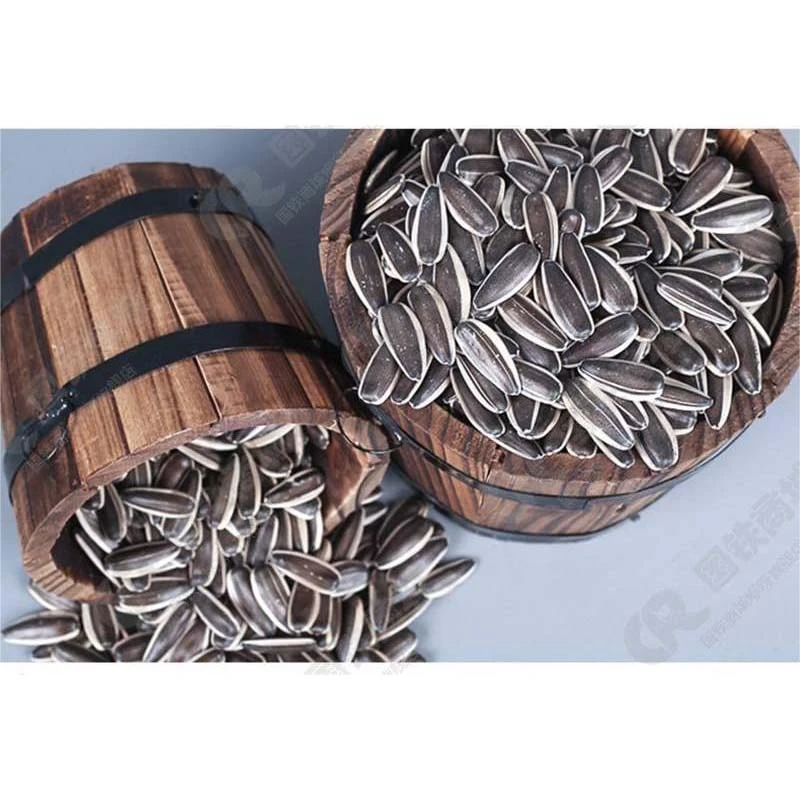
The primary raw material, the sunflower seed, is characterized by a complex composition. The seed hull (pericarp) comprises approximately 20-30% of the seed weight, consisting largely of cellulose, hemicellulose, and lignin – providing structural rigidity. The kernel, constituting 60-70% of the seed, is rich in oil (40-50% by weight), proteins (18-25%), carbohydrates (10-15%), and minor components like phospholipids and waxes. The oil itself is primarily composed of linoleic acid (around 60%), oleic acid (around 30%), and palmitic acid (around 5-10%). Manufacturing begins with seed harvesting, typically employing combine harvesters. Critical parameters during harvest include moisture content (ideally below 10% to prevent mold growth) and seed damage (minimizing cracked or broken seeds). Post-harvest processing involves cleaning, drying, dehulling, and oil extraction. Oil extraction is predominantly achieved through mechanical pressing (expelling) or solvent extraction (typically using hexane). Solvent extraction yields a higher oil recovery rate but necessitates rigorous solvent removal processes to meet food-grade standards. Refining processes involve degumming, neutralization, bleaching, and deodorization – crucial for improving oil stability, color, and odor. Failure to control process parameters like temperature and residence time during refining can lead to oil degradation and the formation of undesirable compounds.
Performance & Engineering
Stalk structural integrity is a key engineering consideration, particularly for mechanized harvesting. The stalk undergoes significant bending stress during harvesting, and failure can result in substantial yield loss. Finite element analysis (FEA) models are employed to optimize stalk breeding programs, focusing on increasing cellulose content and fiber orientation for enhanced tensile strength. Environmental resistance is also critical. Exposure to UV radiation can degrade chlorophyll and other pigments in the stalk, weakening its structure. Furthermore, susceptibility to fungal pathogens like Sclerotinia stem rot necessitates preventative measures, including fungicide application and optimized planting densities for improved air circulation. Compliance requirements vary by region, but generally involve adherence to pesticide residue limits (established by regulatory bodies like the EPA and EFSA) and heavy metal content thresholds. The oil's performance is dictated by its fatty acid profile. Higher oleic acid content contributes to increased oxidative stability, making it suitable for high-temperature applications. The oil's viscosity and pour point are important considerations for biofuel applications, while its iodine value indicates its degree of unsaturation and reactivity.
Technical Specifications
| Parameter | Unit | Typical Value (White Sunflower) | Standard Deviation |
|---|---|---|---|
| Oil Content | % (by weight) | 46.5 | 2.5 |
| Protein Content (Kernel) | % (by weight) | 22.0 | 1.8 |
| Linoleic Acid | % (of total fatty acids) | 58.0 | 3.0 |
| Oleic Acid | % (of total fatty acids) | 32.0 | 2.5 |
| Iodine Value | g I2/100g oil | 120 | 5 |
| Stalk Tensile Strength | MPa | 60 | 8 |
Failure Mode & Maintenance
Failure modes in white sunflower production are multifaceted. Seed failure can occur due to incomplete pollination, leading to empty seed heads. Stalk lodging (bending or breaking) is a significant failure mode during harvest, often exacerbated by strong winds or fungal infections. Oil degradation during storage is a common issue, primarily caused by oxidation and hydrolysis. This manifests as increased acidity, rancidity, and a darkening of the oil color. Maintenance protocols include regular inspection of harvesting equipment to prevent damage to seeds, proper seed drying and storage in airtight containers to minimize moisture and oxygen exposure, and implementation of integrated pest management strategies to control fungal diseases. For stalk lodging, genetic selection for increased stalk strength is the primary preventative measure. Monitoring for fungal infection and timely fungicide application are also crucial. Failure analysis of lodged stalks reveals patterns of weakness often correlated with localized fungal colonization or areas of reduced cellulose density. Long-term storage of sunflower oil requires monitoring of peroxide value and acid value – indicators of oxidative degradation. Antioxidant additives can be employed to extend shelf life, but their use must comply with food safety regulations.
Industry FAQ
Q: What is the primary difference in oil composition between white sunflowers and traditional yellow varieties, and how does this affect its applications?
A: While the overall fatty acid profile is broadly similar, white sunflowers often exhibit a slightly lower linoleic acid content and a corresponding increase in oleic acid. This translates to enhanced oxidative stability, making the oil more suitable for high-temperature frying, biofuel production, and applications where rancidity is a concern. The reduced linoleic acid also improves the oil's shelf life.
Q: What are the key considerations for storing white sunflower seeds to prevent fungal contamination and maintain oil quality?
A: Maintaining a low moisture content (below 10%) is paramount. Seeds should be stored in clean, dry, well-ventilated facilities, ideally with temperature control. Airtight storage containers help minimize oxygen exposure, reducing the risk of oxidative degradation. Regular monitoring for mold growth and insect infestation is also crucial. Aeration can help prevent the buildup of moisture and maintain seed viability.
Q: How does stalk strength affect the economics of white sunflower harvesting?
A: Stalk strength directly impacts harvest efficiency. Lodged stalks are difficult and costly to harvest, resulting in significant yield loss. Mechanized harvesting is severely hampered by widespread lodging, necessitating manual labor which dramatically increases costs. Breeding programs focused on enhancing stalk strength are therefore a critical investment for maximizing profitability.
Q: What quality control measures are typically employed to ensure the sunflower oil meets food-grade standards?
A: Rigorous quality control involves monitoring a range of parameters, including acidity, peroxide value, color, refractive index, and the absence of residual solvents (in solvent-extracted oil). Compliance with heavy metal limits (e.g., lead, cadmium) and pesticide residue limits is also essential. Regular laboratory testing and adherence to HACCP (Hazard Analysis and Critical Control Points) principles are standard practice.
Q: What are the potential environmental impacts associated with white sunflower cultivation, and what mitigation strategies are available?
A: Environmental impacts include pesticide and fertilizer runoff, soil erosion, and water usage. Mitigation strategies involve implementing integrated pest management (IPM) techniques to reduce pesticide reliance, utilizing cover crops to prevent soil erosion, employing efficient irrigation systems to minimize water consumption, and adopting no-till farming practices to improve soil health.
Conclusion
White sunflower production, while sharing fundamental aspects with yellow sunflower cultivation, presents unique considerations regarding oil composition, genetic stability, and stalk integrity. Optimizing these factors is critical for maximizing yield, oil quality, and overall economic viability. The increasing demand for high-oleic sunflower oil for specialized applications necessitates continued research and development focused on breeding programs and refining processes.
Future advancements will likely center around leveraging genomic technologies for accelerated breeding of improved varieties, developing more sustainable pest management strategies, and refining oil extraction and processing techniques to minimize environmental impact and enhance product quality. A comprehensive understanding of the interplay between genetics, agronomy, and processing is essential for ensuring the long-term sustainability and profitability of the white sunflower industry.
