Introduction
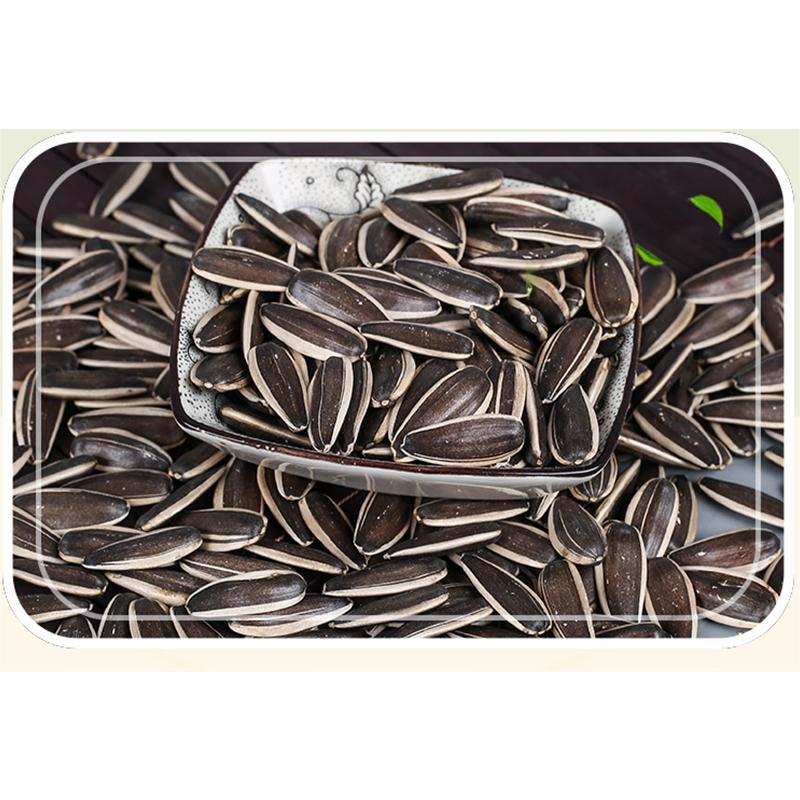
White sunflower (Helianthus annuus) seed oil is a vegetable oil extracted from the seeds of the sunflower. While often considered a food product, its industrial applications are significant and expanding, particularly in the chemical, polymer, and lubricant sectors. Positioned within the oleochemical supply chain, it represents a renewable, biodegradable alternative to petroleum-based materials. The core performance characteristics – high linoleic acid content, oxidation stability when properly refined, and a relatively low cost – drive its adoption in diverse industrial processes. This technical guide provides a comprehensive overview of its material science, manufacturing processes, performance characteristics, failure modes, and relevant industry standards, targeting B2B technical procurement and engineering professionals.
Material Science & Manufacturing
Sunflower seeds comprise approximately 40-60% oil, with the remainder being protein, carbohydrates, and fiber. The oil’s composition varies depending on the sunflower variety (high-oleic, mid-oleic, linoleic). The core fatty acid constituents are linoleic acid (C18:2, ω-6), oleic acid (C18:1, ω-9), palmitic acid (C16:0), and stearic acid (C18:0). The presence of unsaturation (double bonds) impacts the oil’s reactivity and susceptibility to oxidation. Antioxidants, such as tocopherols (Vitamin E), are naturally present and contribute to stability.
Manufacturing begins with seed cleaning and dehulling. Oil extraction commonly employs two methods: mechanical pressing (expelling) and solvent extraction (typically using hexane). Mechanical pressing yields a higher quality, but lower yield, oil. Solvent extraction achieves higher oil recovery but requires rigorous solvent removal processes to meet purity standards. Following extraction, the crude oil undergoes refining, which includes degumming (removing phospholipids), neutralization (removing free fatty acids), bleaching (removing color pigments), and deodorization (removing volatile compounds). The degree of refining directly impacts the oil’s stability, color, odor, and suitability for specific industrial applications. Critical process parameters include temperature control during extraction and refining to minimize thermal degradation and isomerization of fatty acids. The quality of the feedstock, storage conditions of the seeds (moisture content, temperature), and efficiency of solvent removal are also crucial factors influencing the final product quality.
Performance & Engineering
Sunflower oil’s performance in industrial applications is largely dictated by its fatty acid profile and refined state. In lubricant formulations, its high oleic acid content provides good lubricity and film strength, although its oxidation stability is a limiting factor compared to mineral oils. Additives, such as antioxidants and extreme pressure agents, are commonly incorporated to enhance performance. In polymer applications, sunflower oil can be epoxidized to produce a bio-based plasticizer for PVC, offering a sustainable alternative to phthalate plasticizers. The degree of epoxidation controls the compatibility with PVC and the resulting flexibility of the plasticized material.
Environmental resistance is a critical performance consideration. Sunflower oil is biodegradable, but prolonged exposure to UV radiation, oxygen, and elevated temperatures can lead to oxidative degradation, resulting in increased viscosity, formation of peroxides, and ultimately, polymer chain scission. Compliance requirements vary depending on the application. For example, in food-grade lubricant applications, adherence to FDA regulations (21 CFR 178.3570) is mandatory. In plasticizer applications, compliance with REACH regulations (Registration, Evaluation, Authorisation and Restriction of Chemicals) in the EU is essential. Force analysis in lubrication applications requires consideration of the oil’s viscosity, shear rate, and operating temperature to ensure adequate film thickness and prevent wear. The oil's pour point is a key specification for low-temperature applications.
Technical Specifications
| Property | High-Oleic Sunflower Oil | Mid-Oleic Sunflower Oil | Linoleic Sunflower Oil | Unit |
|---|---|---|---|---|
| Oleic Acid (C18:1) | >80 | 60-75 | <20 | % |
| Linoleic Acid (C18:2) | <10 | 20-30 | >60 | % |
| Iodine Value | <40 | 100-120 | 120-140 | g I₂/100g |
| Peroxide Value (after 24h at 110°C) | <5 | <10 | <15 | meq O₂/kg |
| Acid Value | <0.2 | <0.2 | <0.2 | mg KOH/g |
| Moisture Content | <0.1 | <0.1 | <0.1 | % |
Failure Mode & Maintenance
The primary failure modes for sunflower oil in industrial applications stem from oxidative degradation and hydrolytic instability. Oxidation leads to the formation of peroxides, aldehydes, and ketones, increasing viscosity and acidity, and generating corrosive byproducts. Hydrolysis, particularly in the presence of water and elevated temperatures, results in the release of free fatty acids, further accelerating degradation. Fatigue cracking in polymer applications using sunflower oil-based plasticizers can occur due to the plasticizer's migration and subsequent embrittlement of the polymer matrix. Delamination of coatings containing sunflower oil can arise from poor adhesion or incompatibility with the substrate.
Preventative maintenance strategies include proper storage (cool, dark, and dry conditions), use of airtight containers, and addition of antioxidants (e.g., tocopherols, BHT) to inhibit oxidation. Regular monitoring of peroxide value, acid value, and viscosity is crucial for assessing the oil’s condition. In lubrication applications, filtration to remove particulate matter and water contamination is essential. For polymer applications, ensuring proper mixing and dispersion of the plasticizer and optimizing formulation compatibility are critical. Regular inspection for signs of cracking, delamination, or discoloration can identify potential failure points early on. Oil analysis can provide early warning of degradation products and help determine the need for oil change or replenishment.
Industry FAQ
Q: What is the impact of the iodine value on the suitability of sunflower oil for high-temperature lubricant applications?
A: The iodine value, representing the degree of unsaturation, directly correlates with the oil’s susceptibility to oxidation at elevated temperatures. A lower iodine value, as found in high-oleic sunflower oil, indicates greater stability and is therefore preferred for high-temperature lubrication. However, even high-oleic oil requires antioxidant additives to maintain long-term performance.
Q: How does the refining process affect the oxidative stability of sunflower oil?
A: The refining process, particularly deodorization, removes natural antioxidants (tocopherols). While necessary for color and odor removal, this reduces the oil’s inherent oxidative stability. Post-refining antioxidant addition is therefore critical to restore and enhance its resistance to degradation.
Q: Can sunflower oil be used as a direct replacement for mineral oil in all lubrication applications?
A: No, while sunflower oil offers biodegradability and reduced toxicity advantages, its oxidative stability and thermal stability are generally lower than mineral oil. It may require formulation adjustments, including antioxidant packages and viscosity modifiers, to achieve comparable performance in demanding applications. Compatibility with seals and other materials must also be verified.
Q: What are the key considerations when using sunflower oil-based plasticizers in PVC applications?
A: Ensuring proper compatibility with the PVC resin is paramount. The degree of epoxidation of the sunflower oil must be optimized to achieve the desired plasticizing effect and prevent phase separation. Migration of the plasticizer over time can also be a concern, potentially leading to embrittlement. The use of stabilizers is essential to prevent degradation of both the PVC and the plasticizer.
Q: What are the implications of varying moisture content in sunflower seeds on the final oil quality?
A: High moisture content in sunflower seeds promotes enzymatic hydrolysis of triglycerides, leading to increased free fatty acid content in the crude oil. This increases the acid value, reduces oil quality, and makes refining more challenging. Proper drying of seeds before extraction is crucial to minimize this effect.
Conclusion
White sunflower seed oil offers a compelling bio-based alternative to traditional petroleum-derived materials in a range of industrial applications. Its performance is intrinsically linked to its fatty acid composition, the refining processes employed, and the incorporation of appropriate additives. Understanding the potential failure modes related to oxidation and hydrolysis, and implementing proactive maintenance strategies, are crucial for ensuring long-term reliability and maximizing its functional benefits.
The continued development of advanced refining techniques, novel antioxidant formulations, and tailored oil modifications will further expand the applicability of sunflower oil in demanding industrial sectors. Its biodegradability and renewability position it as a key component in the transition towards more sustainable materials and manufacturing processes. Careful consideration of technical specifications, coupled with a thorough understanding of application-specific requirements, is essential for successful implementation.
