Introduction
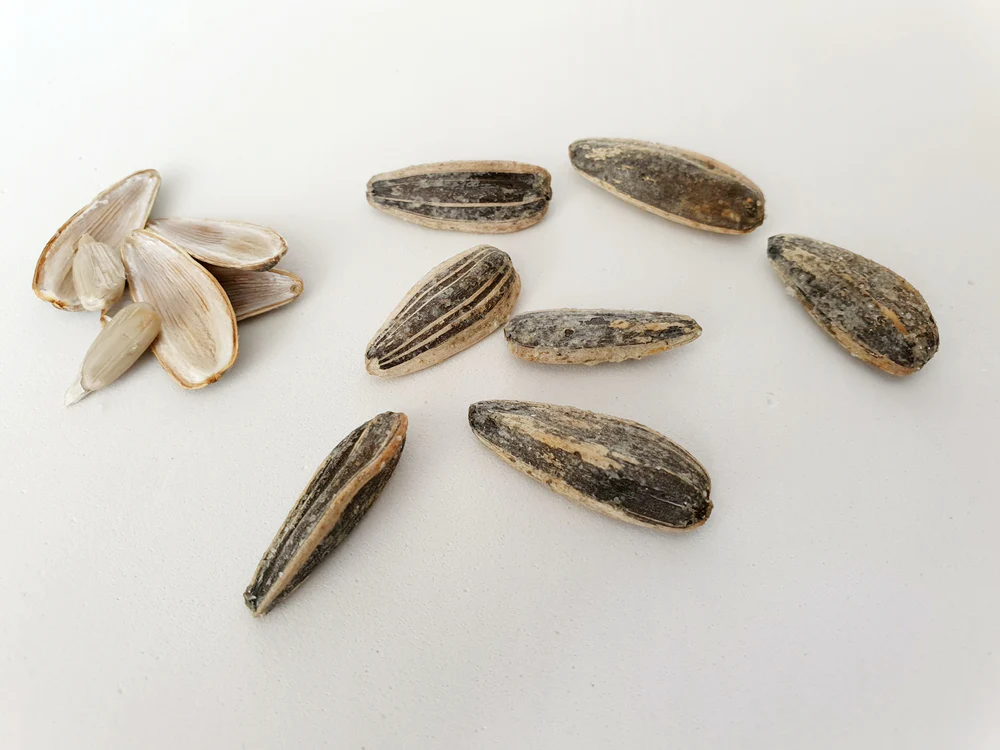
Watermelon seeds, commercially available in 1 kg price units, represent a significant agricultural byproduct increasingly recognized for its nutritional value and industrial applications. This technical guide details the composition, processing, performance characteristics, and potential failure modes associated with commercially packaged watermelon seeds. While historically considered waste, advancements in food science and agricultural technology have positioned watermelon seeds as a valuable source of oil, protein, and essential minerals. The 1 kg packaging format serves as a common trade unit, optimizing handling, storage, and distribution within both food processing and emerging industrial sectors. This document aims to provide a comprehensive understanding of the material properties and quality control aspects relevant to buyers, processors, and end-users of watermelon seeds.
Material Science & Manufacturing
Watermelon seeds (Citrullus lanatus) are composed of approximately 30-50% oil, 25-35% protein, 15-20% carbohydrates, and 5-10% moisture content, alongside various minerals like magnesium, iron, and zinc. The seed coat, or testa, primarily comprises cellulose and lignin, providing structural integrity. The endosperm contains the majority of the oil and protein. Manufacturing processes begin with seed extraction from mature watermelons, followed by cleaning to remove pulp and debris. Drying is critical, typically employing air-drying or controlled oven drying to reduce moisture content to below 10% to inhibit mold growth and rancidity. Hulling, or de-shelling, is often performed to isolate the kernel, maximizing oil yield. Parameter control during drying is paramount; temperatures exceeding 60°C can degrade oil quality through oxidation. Sorting by size and density removes damaged or immature seeds. Further processing can involve oil extraction via mechanical pressing or solvent extraction (hexane), followed by refining, bleaching, and deodorizing. The quality of the seeds is heavily influenced by watermelon cultivar, growing conditions (soil type, climate), and post-harvest handling.
Performance & Engineering
The performance of watermelon seeds is governed by its oil content and protein profile. The oil, rich in linoleic acid (an omega-6 fatty acid), possesses a relatively low viscosity and exhibits good oxidative stability when properly refined. From an engineering perspective, the seeds' compressive strength is relevant for processing equipment design (e.g., oil presses). The seed coat’s tensile strength determines its resistance to cracking during handling. Environmental resistance is critical for storage and transportation; high humidity promotes mold growth and lipid hydrolysis (rancidity). Packaging materials must provide a moisture barrier. Compliance requirements vary based on intended use. For food applications, adherence to food safety standards (e.g., HACCP) is essential. For industrial applications (e.g., biodiesel production), specifications regarding oil acidity and impurity levels are crucial. The seeds’ susceptibility to insect infestation necessitates proper storage practices, including temperature control and pest management. The thermal stability of the oil is a consideration in processes like frying or roasting.
Technical Specifications
| Parameter | Unit | Specification | Test Method |
|---|---|---|---|
| Moisture Content | % | ≤ 10.0 | Oven Drying (AACC Method 30-24) |
| Oil Content | % | ≥ 30.0 | Soxhlet Extraction (AOCS Am 2-91) |
| Protein Content | % | ≥ 25.0 | Kjeldahl Method (AOCS Am 2-91) |
| Acid Value | mg KOH/g | ≤ 4.0 | Titration (AOCS Cd 3-63) |
| Peroxide Value | meq O2/kg | ≤ 10.0 | Titration (AOCS Cd 8-53) |
| Seed Size (Average Diameter) | mm | 8-12 | Sieve Analysis |
Failure Mode & Maintenance
Common failure modes for watermelon seeds relate to quality degradation during storage and processing. Rancidity, caused by lipid oxidation, is a primary concern, manifesting as an unpleasant odor and flavor. This is accelerated by exposure to oxygen, light, and elevated temperatures. Mold growth, particularly Aspergillus species, can occur under high humidity, producing mycotoxins and rendering the seeds unusable. Physical damage during handling (cracking, chipping) reduces processing efficiency and oil yield. Insect infestation leads to contamination and nutrient loss. Maintenance strategies involve proper storage in cool, dry, and dark conditions, utilizing moisture-proof packaging. Implementing a first-in, first-out (FIFO) inventory system minimizes storage time. Regular monitoring for signs of mold, insects, or rancidity is crucial. Cleaning and sanitizing storage facilities prevent contamination. For industrial applications, maintaining the integrity of oil extraction equipment (presses, solvent recovery systems) is essential for optimal performance and product quality. Preventing metal contamination is also key.
Industry FAQ
Q: What is the impact of growing region on the oil profile of watermelon seeds?
A: The growing region significantly impacts the oil profile. Seeds from warmer climates generally exhibit higher levels of unsaturated fatty acids, particularly linoleic acid, due to increased metabolic activity during seed development. Soil composition also plays a role; seeds grown in soils rich in specific minerals may have altered fatty acid ratios.
Q: How does the hulling process affect the shelf life of the seeds?
A: Hulling removes the protective seed coat, increasing the surface area exposed to oxygen and moisture. This accelerates oxidation and rancidity. Properly hulled seeds require more stringent storage conditions (lower temperature, lower humidity, airtight packaging) to maintain shelf life compared to unhulled seeds.
Q: What are the key considerations when selecting packaging materials for 1 kg watermelon seeds?
A: Packaging materials must provide a robust moisture barrier to prevent mold growth and rancidity. They should also be impermeable to oxygen to minimize lipid oxidation. Considerations include material thickness, sealing integrity, and UV protection. Materials conforming to food-grade standards are essential.
Q: What analytical methods are used to assess the quality of watermelon seed oil for biodiesel production?
A: For biodiesel production, key analytical methods include acid value, peroxide value, iodine value, viscosity, and flash point. Gas chromatography (GC) is used to determine the fatty acid methyl ester (FAME) profile. Water content is also critical, as it can negatively impact the transesterification process.
Q: What are the common contaminants found in watermelon seeds and how are they mitigated?
A: Common contaminants include residual pulp, dirt, stones, insect fragments, and mycotoxins. Mitigation strategies include thorough cleaning and sorting during processing, proper storage to prevent mold growth and insect infestation, and adherence to strict hygiene standards throughout the supply chain.
Conclusion
Watermelon seeds, packaged in 1 kg units, represent a multifaceted material with applications spanning food, feed, and increasingly, industrial sectors. Understanding the material science – encompassing oil and protein composition, moisture sensitivity, and the impact of processing parameters – is paramount for maintaining quality and maximizing value. The technical specifications detailed herein provide a framework for quality control and supplier evaluation.
Future trends point toward increased utilization of watermelon seed oil in sustainable applications, such as biodiesel production and cosmetic formulations. Continued research into optimizing extraction methods, enhancing oil stability, and exploring novel applications will further solidify the role of watermelon seeds as a valuable resource. Adhering to international standards and implementing robust quality control measures will be crucial for sustained growth and market acceptance.
