Introduction
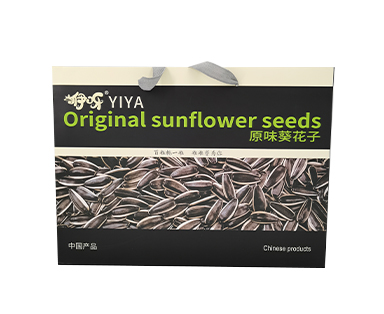
Water sunflower seeds ( Helianthus annuus) represent a specialized agricultural product distinguished by their cultivation in flooded or semi-aquatic environments. Unlike conventional sunflower seed production, these seeds exhibit unique physiological characteristics impacting their composition, yield, and ultimately, their industrial applications. Within the broader seed oil and snack food industries, water sunflower seeds occupy a niche market, valued for distinct flavor profiles and processing attributes. This guide provides a comprehensive technical overview of water sunflower seeds, encompassing their material science, manufacturing processes, performance parameters, potential failure modes, and relevant industry standards. Their growing importance in sustainable agriculture and novel food product development necessitates a detailed understanding of their properties for effective processing and quality control. The primary applications are direct human consumption as a snack food, extraction of oil for industrial and culinary purposes, and potential use in animal feed formulations.
Material Science & Manufacturing
The raw material, water sunflower seeds, comprises a complex biological matrix. The seed's primary components include the hull (pericarp), kernel (cotyledon), and embryo. The hull, approximately 20-30% of the seed's weight, is composed primarily of cellulose, hemicellulose, and lignin, providing a protective barrier. The kernel, constituting 60-70%, is rich in lipids (40-55%), proteins (20-25%), carbohydrates (10-15%), and various bioactive compounds like vitamin E and phenolic acids. The embryo, roughly 5-10%, contains essential nutrients for germination. Cultivation differs significantly from dryland sunflower production. Waterlogged conditions promote anaerobic respiration in root zones, inducing biochemical changes impacting seed oil composition.
Manufacturing involves harvesting, drying, dehulling, and processing. Harvesting is typically performed mechanically when seed moisture content reaches 12-15%. Drying is crucial to prevent fungal growth and maintain seed quality; temperatures rarely exceed 40°C to avoid oil degradation. Dehulling utilizes mechanical abrasion, followed by air separation to remove hull fragments. Oil extraction commonly employs screw pressing or solvent extraction (hexane). Screw pressing offers a cold-pressing option, preserving more volatile flavor compounds, but yields less oil. Solvent extraction, while more efficient, requires rigorous solvent removal to meet food safety standards. Protein extraction from the seed meal follows, often utilizing aqueous extraction and membrane filtration. Quality control throughout the process is paramount, focusing on moisture content, oil content, free fatty acid levels, peroxide value (indicating oxidation), and absence of mycotoxins.

Performance & Engineering
The performance of water sunflower seeds is critically linked to their oil quality and processing characteristics. Oil content directly affects the efficiency of extraction and the yield of refined oil. The fatty acid profile—oleic, linoleic, and palmitic acids—dictates the oil’s suitability for various applications. Oleic acid content contributes to oxidative stability, while linoleic acid is essential for nutritional value. The seed’s physical strength influences dehulling efficiency and minimizes kernel breakage. Hull fracture during processing leads to increased oil absorption during frying or roasting, affecting sensory attributes.
Environmental resistance is a crucial consideration. Water sunflower seeds, while cultivated in flooded conditions, must withstand periods of drought and temperature fluctuations. Seed coating technologies are sometimes employed to enhance resistance to fungal pathogens and insect pests. Compliance requirements vary based on intended use. For human consumption, adherence to food safety regulations like those established by the FDA (USA) and EFSA (Europe) is mandatory, including limits on heavy metals, pesticide residues, and mycotoxins. Oil destined for biofuel production must meet specific fuel quality standards, such as ASTM D6751 in the US. The structural integrity of the seed during processing – particularly dehulling – necessitates precise engineering controls regarding impact force, abrasion surface characteristics, and separation efficiency. Failure to optimize these parameters results in kernel damage, reduced oil yield, and increased processing costs.
Technical Specifications
| Parameter | Units | Typical Range (Water Sunflower Seeds) | Conventional Sunflower Seeds |
|---|---|---|---|
| Oil Content | % (Dry Weight Basis) | 45-58% | 42-55% |
| Protein Content | % (Dry Weight Basis) | 22-28% | 20-26% |
| Moisture Content (at Harvest) | % | 12-15% | 10-14% |
| Oleic Acid Content | % of Total Fatty Acids | 30-60% | 15-40% |
| Linoleic Acid Content | % of Total Fatty Acids | 35-60% | 40-65% |
| Hull Percentage | % (Seed Weight Basis) | 25-35% | 20-30% |
Failure Mode & Maintenance
Failure modes in water sunflower seeds span from pre-harvest to post-processing stages. Pre-harvest, fungal infections (e.g., Sclerotinia, Phomopsis) can lead to seed rot and mycotoxin contamination, rendering the seeds unusable. Insect infestations during storage cause significant yield losses. During dehulling, excessive impact forces induce kernel damage, increasing free fatty acid levels and compromising oil quality. Oil oxidation, accelerated by exposure to air, light, and elevated temperatures, results in rancidity and reduced nutritional value.
Maintenance strategies involve integrated pest management, proper drying and storage conditions, and optimized processing parameters. Seed treatment with fungicides can prevent fungal infections. Storage in airtight containers at low temperatures minimizes insect activity and slows oxidation. Regular monitoring of seed quality during storage – measuring moisture content, peroxide value, and free fatty acid levels – allows for early detection of degradation. Implementing gentle dehulling processes, controlling impact forces, and utilizing appropriate separation techniques minimizes kernel damage. Antioxidant addition during oil processing further enhances oxidative stability. Preventative maintenance of processing equipment (dehullers, presses, extractors) is essential to maintain consistent performance and minimize product contamination.
Industry FAQ
Q: What is the primary difference in oil composition between water sunflower seeds and conventional varieties, and how does this impact processing?
A: Water sunflower seeds typically exhibit a higher oleic acid content compared to conventional varieties. This increased oleic acid imparts greater oxidative stability to the oil, allowing for higher processing temperatures without significant degradation. It also reduces the need for hydrogenation, resulting in a healthier oil profile. However, the higher viscosity associated with increased oleic acid may necessitate adjustments to extraction parameters (e.g., pressing force, solvent ratio).
Q: What are the major challenges associated with storing water sunflower seeds, and how can these be mitigated?
A: The primary storage challenges are moisture absorption, insect infestation, and fungal growth. Mitigating these requires storing seeds in airtight, moisture-proof containers at temperatures below 15°C (59°F). Regular monitoring of moisture content and inspection for insect activity are crucial. Consideration should be given to using oxygen absorbers within the storage containers to reduce oxidation.
Q: How does the waterlogged cultivation environment affect the protein profile of water sunflower seeds?
A: Waterlogged conditions can influence protein synthesis within the seed. While the total protein content may remain comparable, the amino acid composition can be altered. Specifically, certain stress-induced proteins may be upregulated, potentially affecting the nutritional value and allergenicity of the seed meal.
Q: What dehulling techniques are most effective for minimizing kernel damage in water sunflower seeds?
A: Employing a controlled impact dehulling system with adjustable force settings is optimal. Utilizing rubber or polymer liners within the dehulling chamber reduces abrasion. Precise control over feed rate and seed distribution minimizes kernel-to-kernel collisions. Post-dehulling air separation should be optimized to efficiently remove hull fragments without causing further kernel damage.
Q: Are there specific international standards regarding mycotoxin levels in water sunflower seeds intended for human consumption?
A: Yes, stringent regulations exist. The European Union (Regulation (EC) No 1881/2006) sets maximum levels for aflatoxins, ochratoxin A, and fumonisins. The US FDA also has established action levels for aflatoxins in sunflower seeds. Compliance with these standards is critical for market access and consumer safety.
Conclusion
Water sunflower seeds present a unique agricultural commodity with distinct material properties and processing requirements. Their adaptability to flooded conditions, coupled with a favorable fatty acid profile, positions them as a valuable resource in the food and industrial sectors. Successful implementation of water sunflower seed processing hinges on a thorough understanding of their biochemical composition, environmental sensitivities, and adherence to rigorous quality control measures.
Future research should focus on optimizing cultivation practices to maximize yield and enhance seed quality, developing novel processing techniques to improve oil extraction efficiency, and exploring the potential of water sunflower seed protein as a sustainable ingredient in food and feed applications. The application of advanced analytical techniques for monitoring mycotoxin contamination and assessing oxidative stability will be paramount in ensuring product safety and maintaining market competitiveness.
