
Introduction
Watermelon seed price, as a commodity within the agricultural market, represents a complex interplay of biological factors, processing techniques, market demand, and logistical considerations. While seemingly simple, the price determination of watermelon seeds is significantly influenced by seed variety (oilseed vs. confectionery), seed quality (germination rate, purity), and prevailing economic conditions. This technical guide provides an in-depth analysis of the factors impacting watermelon seed price, covering the science behind seed production, processing methodologies, quality control metrics, market dynamics, potential failure modes impacting value, and relevant industry standards. The focus will be on seeds destined for oil extraction, as they represent the vast majority of commercially traded watermelon seeds, though confectionery seed pricing will also be considered. This is critical for procurement managers in the food processing, cosmetics, and biofuel industries who rely on a consistent and cost-effective seed supply.
Material Science & Manufacturing
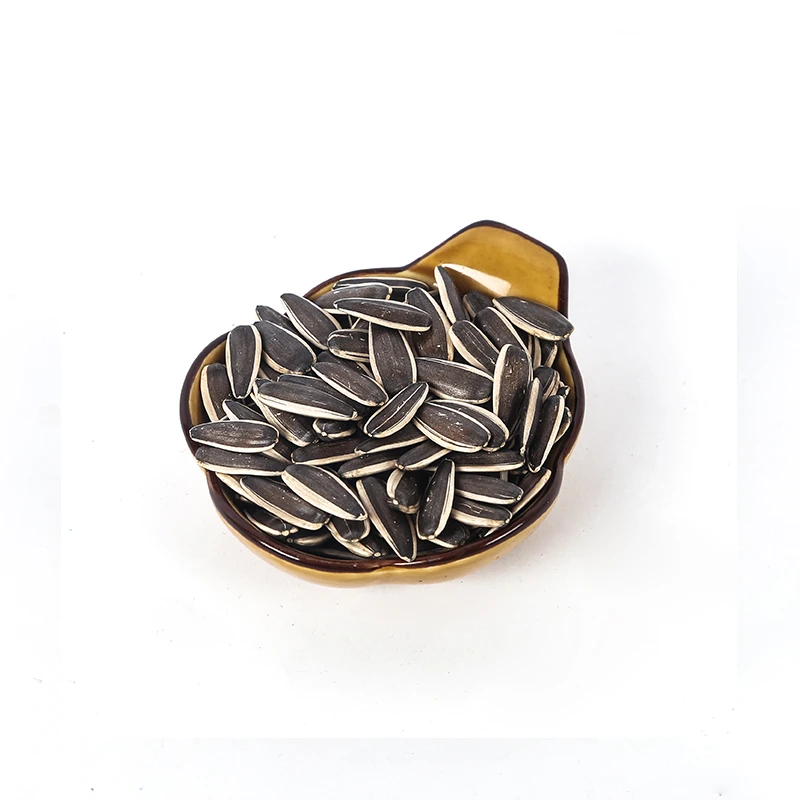
Watermelon seeds (Citrullus lanatus) are primarily composed of lipids (40-60% by weight), proteins (20-30%), carbohydrates (10-20%), and moisture (5-10%). The lipid profile consists largely of linoleic acid (omega-6, approximately 60-70%) and oleic acid (omega-9, approximately 10-20%). The seed coat, composed of cellulose and lignin, provides physical protection and influences oil extraction efficiency. Manufacturing begins with harvesting mature watermelons, followed by seed extraction through mechanical means (typically involving pulping and separation). Critical parameters during extraction include pulp temperature (ideally below 30°C to prevent lipid oxidation) and separation efficiency (maximizing seed purity). Subsequent drying is crucial, typically employing hot air drying to reduce moisture content to 8-10% for optimal storage stability. Improper drying leads to increased fungal growth and reduced oil yield. Seed grading is performed based on size, density, and visual inspection to remove damaged or immature seeds. Oilseed varieties are specifically bred for higher oil content and larger seed size. Confectionery seeds undergo additional cleaning and sorting for aesthetic appeal. Seed viability and germination rate are assessed using standardized germination tests (ISTA rules), influencing pricing for agricultural replanting purposes. Chemical treatments with fungicides are occasionally used to prevent storage mold, but this practice is increasingly scrutinized due to consumer preference for untreated seeds.
Performance & Engineering
The performance of watermelon seeds is primarily evaluated through their oil yield and oil quality. Oil yield, expressed as a percentage of seed weight, is the most significant economic driver. Factors influencing oil yield include seed variety, growing conditions (sunlight, water availability, soil nutrients), and extraction method (mechanical pressing vs. solvent extraction). Solvent extraction (using hexane) yields higher oil percentages (typically 65-75%) compared to mechanical pressing (50-60%), but introduces residual solvent concerns requiring rigorous purification. Oil quality is assessed through parameters such as acid value (measuring free fatty acids, indicating rancidity), peroxide value (measuring oxidation levels), iodine value (indicating unsaturation), and color (assessed using Lovibond tintometers). The fatty acid composition directly impacts the suitability of the oil for specific applications. For biofuel production, higher unsaturation is desirable; for cosmetic applications, stability and color are paramount. Storage conditions significantly impact seed performance. Optimal storage involves low temperature (below 10°C), low humidity (below 60%), and protection from light to minimize lipid oxidation and maintain germination viability. Force analysis related to seed cracking during processing must be considered to optimize extraction equipment design and minimize seed damage. The engineering design of seed cleaning systems must account for seed size variation and the presence of debris to ensure efficient separation of high-quality seeds.
Technical Specifications
| Parameter | Oilseed Variety (Typical Range) | Confectionery Variety (Typical Range) | Units |
|---|---|---|---|
| Oil Content | 45-60 | 30-40 | % (by weight) |
| Moisture Content | 8-10 | 8-10 | % (by weight) |
| Linoleic Acid Content | 60-70 | 55-65 | % of total fatty acids |
| Acid Value | <2.0 | <1.5 | mg KOH/g |
| Peroxide Value | <5.0 | <3.0 | meq O2/kg |
| Germination Rate | 70-90 | >90 | % |
Failure Mode & Maintenance
Several failure modes can negatively impact watermelon seed price and quality. Lipid oxidation, induced by exposure to oxygen, light, and heat, leads to rancidity, reducing oil quality and market value. This is mitigated by antioxidant addition (Vitamin E) and proper storage. Fungal contamination during drying or storage results in mycotoxin production, rendering the seeds unusable for human or animal consumption and causing significant price reductions. Effective drying and fungicide application are crucial preventative measures. Physical damage during harvesting, processing, or transportation (cracking, chipping) reduces oil yield and germination rate. Careful handling and optimized equipment design are necessary. Insect infestation leads to seed damage and contamination. Proper storage in sealed containers and insecticidal treatments can prevent this. Inconsistent seed quality within a batch (size, maturity) affects oil yield and processing efficiency. Rigorous grading and sorting are essential. Maintenance of processing equipment (dryers, separators, presses) is critical to ensure optimal performance and minimize seed damage. Regular cleaning, lubrication, and component replacement are required. Preventative maintenance schedules based on equipment manufacturer recommendations should be strictly followed.
Industry FAQ
Q: What is the primary driver of watermelon seed price fluctuation?
A: The price is predominantly driven by global vegetable oil prices (soybean, sunflower, palm oil) as watermelon seed oil is often considered a substitute. Weather patterns in major watermelon-growing regions (India, China, Africa) impacting harvest yields also significantly contribute to price volatility. Furthermore, demand from the biofuel industry influences pricing, particularly for oilseed varieties.
Q: How does the oil extraction method affect seed price?
A: Seeds extracted using solvent extraction (hexane) generally command a lower price per ton than those processed via mechanical pressing due to the inherent cost and regulatory concerns associated with solvent residue. However, solvent extraction yields a higher oil percentage, leading to more oil output per ton of seed, which can offset the price difference in some cases.
Q: What quality control measures are critical for ensuring high seed price?
A: Rigorous quality control encompassing moisture content verification, oil content analysis, germination testing (ISTA standards), acid value and peroxide value assessment, and visual inspection for damage and foreign material is vital. Maintaining consistent quality ensures compliance with industry standards and justifies a premium price.
Q: What impact do storage conditions have on seed price over time?
A: Improper storage – high temperature, humidity, and light exposure – accelerates lipid oxidation and fungal growth, reducing oil quality and germination rate, leading to significant price depreciation. Properly stored seeds retain their value and command a higher price.
Q: Are there any emerging trends impacting watermelon seed price?
A: Growing consumer demand for plant-based oils and increasing interest in sustainable biofuel sources are driving up demand for watermelon seed oil, potentially leading to price increases. The development of higher-yielding and oil-rich watermelon varieties through genetic engineering is also expected to influence pricing dynamics in the long term.
Conclusion
Watermelon seed price is a multifaceted metric determined by a complex interplay of agricultural, chemical, and logistical factors. Understanding the underlying material science, manufacturing processes, and performance characteristics is crucial for informed procurement decisions. Maintaining stringent quality control throughout the supply chain, from harvesting to storage, is paramount for maximizing value and mitigating potential losses due to degradation or contamination.
Future trends, including increased demand for sustainable oil sources and advancements in seed breeding technologies, will likely shape the watermelon seed market. Proactive monitoring of global vegetable oil prices, weather patterns in key growing regions, and evolving industry standards is essential for anticipating price fluctuations and securing a reliable, cost-effective supply of watermelon seeds.
