Introduction
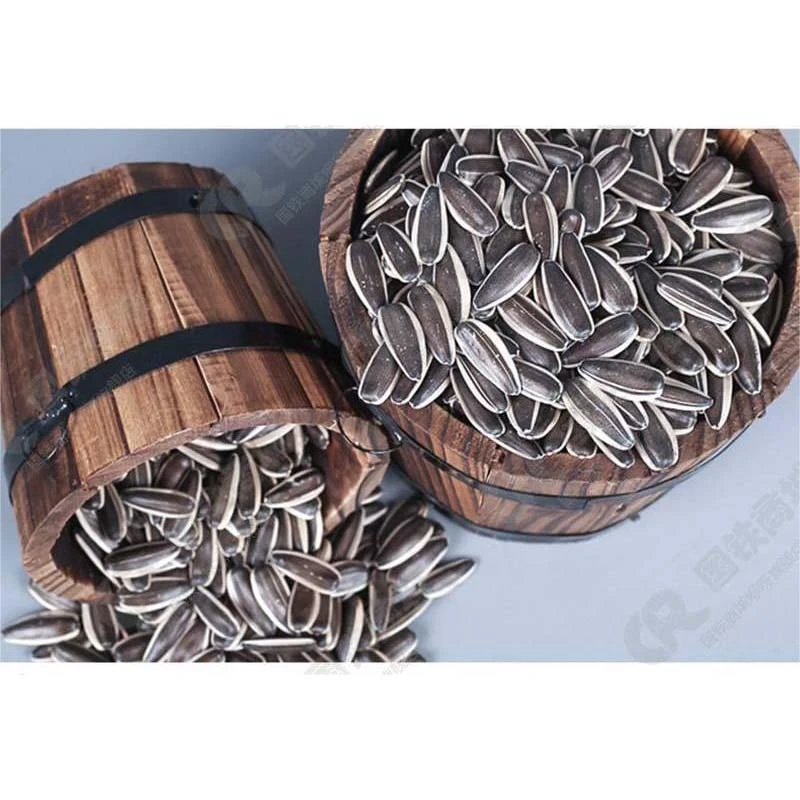
Water melon seed, Citrullus lanatus seed, represents a significant agricultural byproduct with increasing industrial relevance. Traditionally utilized as a food source, primarily in roasted snack applications, its current position in the value chain extends into the extraction of valuable oil for culinary and industrial applications, protein isolates for animal feed and potential human nutrition, and even novel biomaterials. The core performance characteristics of water melon seed—oil yield, protein content, fatty acid profile, and seed coat composition—dictate its suitability for diverse downstream processing. This technical guide provides an in-depth analysis of water melon seed from a materials science, manufacturing, performance, and failure analysis perspective, targeting procurement managers and engineers involved in agricultural processing, oil extraction, and biomaterial development. A key industry pain point revolves around inconsistent seed quality due to variations in cultivar, growing conditions, and harvesting practices, impacting process efficiency and final product quality. Addressing these inconsistencies requires a thorough understanding of the seed’s inherent properties and optimal processing parameters.
Material Science & Manufacturing
Water melon seed composition is characterized by approximately 30-50% oil, 20-30% protein, 10-20% carbohydrate (primarily starch), and 5-15% fiber, with the remaining being moisture and ash. The oil is rich in linoleic acid (40-60%), oleic acid (20-40%), and palmitic acid (10-20%). The seed coat, composed primarily of cellulose, hemicellulose, and lignin, provides a protective barrier but also presents challenges in oil extraction. Manufacturing processes begin with harvesting and drying. Drying is critical; moisture content above 8% promotes fungal growth and lipid oxidation. Industrial drying commonly utilizes forced-air dryers operating at temperatures below 60°C to preserve oil quality. Oil extraction is predominantly achieved through mechanical pressing (expelling) or solvent extraction using hexane. Expelling yields lower oil recovery (60-70%) but avoids residual solvent concerns. Solvent extraction, while achieving higher yields (90-95%), necessitates rigorous solvent removal to meet food safety standards. Protein isolation typically involves alkaline extraction followed by isoelectric precipitation. Seed coat removal, often preceding oil extraction, is achieved through abrasion or cracking. Key parameter control during manufacturing includes monitoring moisture content, temperature during drying and extraction, solvent purity (in solvent extraction), and pH during protein isolation. Improper control leads to reduced oil quality, protein denaturation, and increased processing costs.

Performance & Engineering
The performance of water melon seed derivatives is heavily influenced by their chemical composition. Oil quality, assessed by acid value, peroxide value, and iodine value, dictates its suitability for different applications. Lower acid and peroxide values indicate better oxidative stability. The fatty acid profile determines nutritional value and suitability for biodiesel production. Protein isolates require evaluation of their amino acid profile, solubility, and functional properties (emulsification, foaming capacity). From an engineering perspective, the structural integrity of the seed coat impacts milling efficiency. Force analysis during seed cracking reveals that the seed coat exhibits brittle fracture behavior. Environmental resistance is a crucial consideration during storage. Exposure to high humidity and temperature accelerates lipid oxidation and protein degradation. Packaging materials with low oxygen and moisture permeability are essential. Compliance requirements vary depending on the intended application. For food applications, adherence to FDA (Food and Drug Administration) regulations regarding food safety and labeling is mandatory. For biofuel production, compliance with ASTM D6751 standards for biodiesel is required. Furthermore, sustainability considerations demand responsible sourcing practices and minimizing waste generation during processing.
Technical Specifications
| Parameter | Unit | Typical Value (Range) | Test Method |
|---|---|---|---|
| Oil Content | % (Dry Weight Basis) | 35-45 | AOAC 920.85 |
| Protein Content | % (Dry Weight Basis) | 25-35 | Kjeldahl Method (AOAC 978.05) |
| Moisture Content | % | <8 (optimal <6) | AOAC 925.10 |
| Acid Value | mg KOH/g | <2.0 | AOAC 942.04 |
| Peroxide Value | meq O2/kg | <5.0 | AOAC 923.23 |
| Linoleic Acid Content | % of Total Fatty Acids | 40-60 | Gas Chromatography (AOCS Cd 14-90) |
Failure Mode & Maintenance
Failure modes in water melon seed derivatives primarily relate to degradation of oil quality and protein functionality. Lipid oxidation, a major failure mechanism, leads to rancidity, off-flavors, and reduced nutritional value. Oxidation is accelerated by exposure to oxygen, light, heat, and metal ions. Protein denaturation, caused by excessive heat, pH extremes, or enzymatic activity, results in reduced solubility and functional properties. Seed coat cracking during processing can lead to increased fines and reduced oil yield. Maintenance strategies focus on preventing these failures. Proper storage conditions – cool, dark, dry, and in airtight containers – are crucial for preserving oil quality. Antioxidants (e.g., tocopherols, ascorbyl palmitate) can be added to the oil to inhibit oxidation. Optimizing processing parameters (temperature, pH, enzyme control) minimizes protein denaturation. Regular cleaning and maintenance of processing equipment reduce contamination and ensure efficient operation. Furthermore, quality control checks at each stage of processing—seed selection, drying, extraction, and storage—are essential for identifying and mitigating potential failure points. Failure analysis utilizing Gas Chromatography-Mass Spectrometry (GC-MS) for lipid profiling and SDS-PAGE for protein analysis can pinpoint the root cause of degradation.
Industry FAQ
Q: What is the impact of seed variety on oil yield and fatty acid profile?
A: Seed variety significantly impacts both oil yield and fatty acid composition. Different cultivars exhibit variations in oil content ranging from 25% to over 50% on a dry weight basis. Furthermore, the ratio of linoleic to oleic acid is genetically determined and varies considerably among cultivars. Selecting a cultivar optimized for high oil yield and a desired fatty acid profile is crucial for maximizing economic return.
Q: How does the drying process affect oil quality?
A: Improper drying can severely compromise oil quality. High drying temperatures (>60°C) accelerate lipid oxidation, leading to increased acid and peroxide values. Insufficient drying (moisture content >8%) promotes fungal growth and enzymatic hydrolysis of triglycerides, also degrading oil quality. Controlled, low-temperature drying is essential for preserving oil stability.
Q: What are the challenges associated with solvent extraction, and how are they addressed?
A: The primary challenge with solvent extraction is ensuring complete solvent removal to meet food safety regulations. Residual hexane can pose health risks. Addressing this requires employing efficient solvent recovery systems, vacuum distillation, and rigorous quality control testing to verify solvent levels are below permissible limits (typically <10 ppm).
Q: What are the potential applications of water melon seed protein?
A: Water melon seed protein has potential applications in several areas. It can be used as an ingredient in animal feed formulations, providing a sustainable and cost-effective protein source. Emerging research explores its use as a functional food ingredient, offering a plant-based protein alternative. Further investigation is needed to optimize its solubility and functionality for wider applications.
Q: How can the seed coat be effectively utilized, rather than being treated as waste?
A: The seed coat is a valuable byproduct. It can be used as a source of dietary fiber, incorporated into animal feed, or utilized as a feedstock for biogas production through anaerobic digestion. Research is also exploring its potential as a source of cellulose nanocrystals for applications in biomaterials and packaging.
Conclusion
Water melon seed presents a multifaceted industrial resource, extending beyond its traditional role as a snack food. Its oil, protein, and seed coat components offer valuable opportunities for diverse applications across the food, feed, and biomaterials industries. Optimizing processing parameters—from drying and extraction to protein isolation and seed coat utilization—is critical for maximizing yield, preserving quality, and minimizing waste. Addressing the inherent variability in seed quality through careful cultivar selection and quality control measures is paramount to ensuring consistent performance and economic viability.
Looking ahead, continued research and development focused on improving oil extraction efficiency, enhancing protein functionality, and exploring novel applications for the seed coat will unlock further value from this agricultural byproduct. Implementing sustainable sourcing practices and adopting circular economy principles will be essential for maximizing the environmental and economic benefits of water melon seed utilization, positioning it as a significant contributor to a more resource-efficient future.
