
Introduction
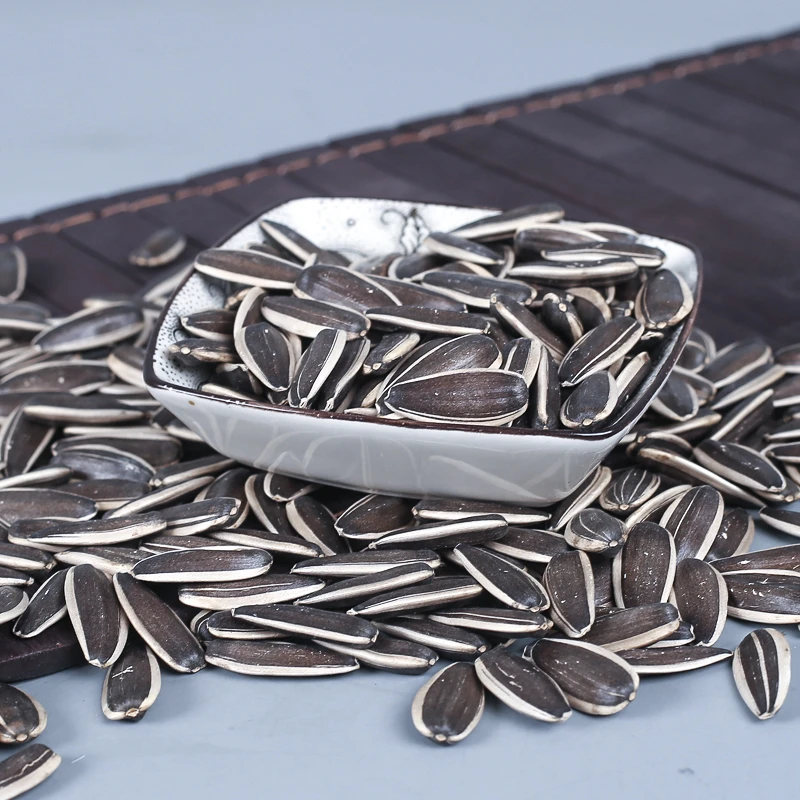
Walnut flavor sunflower seeds represent a processed snack food product within the broader seed-based confectionery industry. These seeds, derived from the Helianthus annuus plant, undergo a series of treatments – typically roasting, seasoning, and flavoring – to impart a walnut-like taste profile. Their technical position resides in the intersection of agricultural processing, food chemistry, and flavor technology. Core performance characteristics include palatability, shelf stability, nutritional value (specifically protein and fat content), and adherence to food safety regulations. This guide will detail the material science, manufacturing processes, performance attributes, potential failure modes, and relevant standards governing the production and quality of walnut flavor sunflower seeds, addressing key concerns for B2B procurement and quality control professionals within the food industry.
Material Science & Manufacturing
The primary raw material, sunflower seeds, possesses a complex composition. The kernel consists of approximately 50-60% oil (primarily linoleic acid, an omega-6 fatty acid), 20-30% protein, 10-15% carbohydrate (primarily cellulose and hemicellulose in the hull), and residual moisture. The shell, or hull, provides physical protection and comprises roughly 30-50% of the total seed weight. Walnut flavoring is typically achieved through the application of a complex flavor formulation. These formulations generally comprise a carrier (such as maltodextrin or gum arabic), natural or artificial flavor compounds (containing esters and aldehydes mimicking walnut aromatics), salt, and potentially sweeteners or colorants. The manufacturing process begins with seed cleaning and dehulling. Cleaned seeds are then dried to a specified moisture content (typically 8-10%) to facilitate roasting. Roasting, usually conducted in rotating drum roasters or fluidized bed systems, develops the characteristic flavor profile through Maillard reactions and caramelization. Key parameters include roasting temperature (140-180°C), roasting time (20-40 minutes), and seed bed temperature. Precise control is crucial to avoid scorching and lipid oxidation. Following roasting, the seeds are cooled rapidly. The flavoring process involves tumbling the roasted seeds with the walnut flavor formulation in a rotating drum or blender. Coating uniformity is monitored via visual inspection and analytical techniques (e.g., gas chromatography for flavor compound analysis). Finally, the seasoned seeds are packaged in moisture-barrier packaging to extend shelf life.
Performance & Engineering
Performance characteristics are critically linked to the seed’s physical and chemical properties. Shear force analysis, measured during consumption, indicates textural acceptability. Lower shear force generally corresponds to a more desirable crunch. Oil content and fatty acid profile determine the caloric density and nutritional value. The rate of lipid oxidation, assessed through peroxide value (PV) and p-anisidine value (AV) measurements, dictates shelf life and the development of rancidity. The integrity of the flavor coating is assessed through adhesion testing and resistance to abrasion. Environmental resistance focuses primarily on moisture uptake. Excessive moisture can lead to microbial growth and flavor loss. Packaging material selection (e.g., multilayer films with aluminum foil or metallized polyester) and sealing techniques are engineered to minimize moisture permeation. Compliance requirements vary by geographic region. In the US, the FDA regulates food labeling, sanitation, and Good Manufacturing Practices (GMPs). EU regulations emphasize traceability and allergen control. A key engineering challenge is minimizing the formation of acrylamide during the roasting process. Controlling roasting temperature and time, and potentially employing acrylamide-reducing additives, are essential.
Technical Specifications
| Parameter | Specification | Test Method | Acceptance Criteria |
|---|---|---|---|
| Moisture Content | ≤ 8.0% | AOAC 925.10 | Visual inspection; Karl Fischer titration |
| Oil Content | 48-55% | AOAC 920.39 | Soxhlet extraction |
| Peroxide Value (PV) | ≤ 5.0 meq O2/kg | AOCS Cd 8-53 | Titration |
| p-Anisidine Value (AV) | ≤ 10 | AOCS Cd 8-53 | Spectrophotometry |
| Walnut Flavor Intensity | 70-100 ppm (Walnut Aldehyde Equivalent) | Gas Chromatography-Mass Spectrometry (GC-MS) | Quantitative analysis of flavor compounds |
| Particle Size Distribution | 90% Pass 10 Mesh, 10% Retained on 20 Mesh | Sieve Analysis | Visual Inspection & Weight Percentage |
Failure Mode & Maintenance
Common failure modes include rancidity (due to lipid oxidation), flavor degradation (loss of walnut aroma), and physical damage (cracking or chipping of seeds). Rancidity is accelerated by exposure to oxygen, light, and elevated temperatures. Flavor degradation occurs due to volatilization of flavor compounds or their reaction with other components. Cracking and chipping can result from impact during handling, excessive moisture absorption, or improper roasting. Microbial contamination, although less common in dry, seasoned seeds, can occur if moisture content is too high. Failure analysis involves identifying the root cause of the defect. For rancidity, assessment of PV and AV is crucial. For flavor loss, GC-MS analysis can identify missing or degraded flavor compounds. For physical damage, microscopic examination of seed fractures can reveal the mechanism of failure. Maintenance primarily focuses on preventive measures. This includes proper storage conditions (cool, dry, dark), the use of high-barrier packaging materials, and strict adherence to GMPs during manufacturing. Regular monitoring of moisture content, oil quality, and flavor intensity is essential for maintaining product quality and preventing failures. Effective pest control measures are also necessary to prevent insect infestation and product damage.
Industry FAQ
Q: What is the impact of sunflower seed variety on the final product quality?
A: Sunflower seed variety significantly influences oil content, kernel size, and hull characteristics. High-oleic sunflower varieties are preferred due to their increased oxidative stability, leading to longer shelf life. Larger kernel sizes generally result in a more desirable eating experience. Hull strength impacts dehulling efficiency and potential damage to the kernels.
Q: How do you ensure consistent flavor delivery across batches?
A: Consistent flavor delivery requires precise control of the flavor formulation, uniform application during seasoning, and monitoring of flavor compound levels using GC-MS. We employ calibrated dispensing systems for the flavor ingredients and regularly audit batch-to-batch flavor profiles.
Q: What packaging materials are recommended to maximize shelf life?
A: Multilayer films incorporating aluminum foil or metallized polyester provide the best moisture and oxygen barrier properties. Sealing integrity is critical; we utilize robust sealing equipment and conduct leak tests on finished packages.
Q: What are the key considerations for scaling up production while maintaining quality?
A: Scaling up requires careful attention to heat transfer in the roasting process, maintaining uniform flavor coating, and ensuring consistent seed flow through the production line. Process Analytical Technology (PAT) tools, such as near-infrared spectroscopy, can be implemented to monitor critical quality attributes in real-time.
Q: How does your quality control system address potential acrylamide formation during roasting?
A: We closely control roasting temperature and time, maintaining them within established limits. We also monitor acrylamide levels in finished products using GC-MS and implement mitigation strategies, such as adjusting the roasting profile or utilizing acrylamide-reducing additives if necessary.
Conclusion
The production of high-quality walnut flavor sunflower seeds is a complex process demanding meticulous control over raw material sourcing, manufacturing parameters, and packaging. Understanding the interplay between material science, food chemistry, and engineering principles is paramount to delivering a consistently palatable and shelf-stable product. By rigorously monitoring critical quality attributes – including moisture content, oil quality, flavor intensity, and physical integrity – and adhering to stringent quality control standards, manufacturers can mitigate potential failure modes and ensure consumer satisfaction.
Future development in this sector will likely focus on optimizing roasting processes to minimize acrylamide formation, exploring novel flavor encapsulation technologies to enhance flavor retention, and developing sustainable packaging solutions with improved barrier properties. Furthermore, advancements in analytical techniques will enable more precise characterization of seed composition and flavor profiles, driving continuous improvement in product quality and consistency.
