Introduction
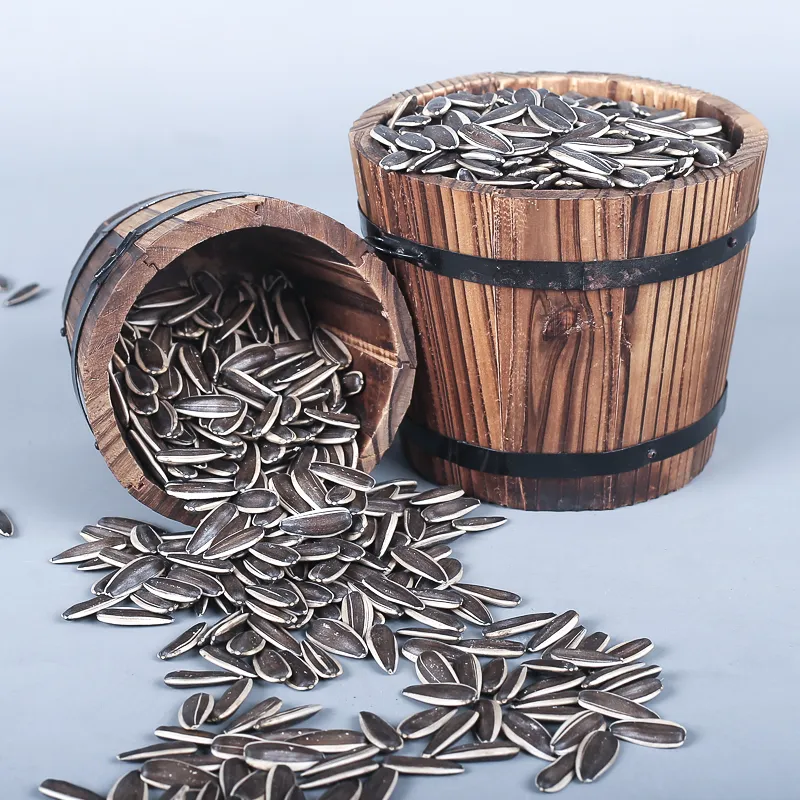
Unsalted sunflower kernels (Helianthus annuus) represent a significant commodity within the food processing industry, functioning as a direct consumer snack, ingredient in confectionary applications, and increasingly, as a source of oil and protein for industrial uses. Their technical position within the supply chain spans agricultural production, post-harvest processing (drying, dehulling, sorting), and packaging. Core performance characteristics defining quality include kernel size, oil content, protein content, moisture content, absence of foreign material, and importantly, a low peroxide value indicating oxidative stability. The demand for unsalted kernels necessitates precise control during processing to avoid rancidity and maintain palatable flavor profiles. This guide provides an in-depth technical analysis of sunflower kernel composition, manufacturing processes, quality control parameters, potential failure modes, and relevant industry standards. A key industry pain point is variability in raw material quality due to inconsistent agricultural practices and environmental conditions, leading to challenges in maintaining product consistency and shelf life.
Material Science & Manufacturing
Sunflower kernels are composed primarily of lipids (40-50% by weight), protein (20-25%), carbohydrates (15-20%), and fiber (5-10%). The lipid component is dominated by linoleic acid (ω-6) and oleic acid (ω-9) fatty acids, crucial for nutritional value but also susceptible to oxidation. Protein content consists of globulins, albumins, and glutelins. The kernel hull, a byproduct of processing, is largely cellulose and hemicellulose. Manufacturing begins with harvesting, followed by drying to a moisture content of approximately 8-10% to inhibit microbial growth and enzymatic activity. Dehulling is critical; mechanical dehulling utilizing rubber rollers or abrasive surfaces is common, but must be carefully controlled to minimize kernel damage. Sorting removes foreign materials (stalk fragments, stones, other seeds). Oil extraction, while not directly applicable to unsalted kernel production, influences the residual oil content and therefore the sensory attributes. Key parameter control during drying involves temperature (not exceeding 60°C to avoid protein denaturation) and airflow rate. Dehulling pressure and roller speed are critical to maximizing kernel integrity. Chemical compatibility must be considered during cleaning – avoidance of harsh chemicals that could leave residues. The manufacturing process impacts the structural integrity of the kernel, potentially causing micro-cracks that accelerate oxidation and affect texture.
Performance & Engineering
The primary engineering concern with unsalted sunflower kernels is maintaining structural integrity during processing and ensuring oxidative stability during storage. Force analysis reveals that kernels exhibit brittle fracture behavior under compressive loads, and susceptibility to cracking increases with moisture content and pre-existing defects. Environmental resistance is paramount; exposure to oxygen, light, and elevated temperatures accelerates lipid oxidation, leading to rancidity. Packaging materials therefore play a crucial role, requiring low oxygen permeability and UV light protection. Compliance requirements focus on food safety regulations (e.g., FDA in the US, EFSA in Europe) regarding acceptable levels of contaminants (aflatoxins, heavy metals) and microbiological standards. Functional implementation of quality control relies heavily on analytical techniques such as moisture analysis (Karl Fischer titration), oil content determination (solvent extraction), peroxide value measurement (iodometric titration), and assessment of free fatty acids. Furthermore, impact resistance during handling and transportation must be considered to minimize kernel breakage and dust formation. Maintaining a consistent particle size distribution is also critical for packaging efficiency and consumer acceptance.
Technical Specifications
| Parameter | Unit | Typical Value | Acceptable Range |
|---|---|---|---|
| Moisture Content | % | 8.5 | 7.0 – 10.0 |
| Oil Content (Dry Basis) | % | 50 | 48 – 54 |
| Protein Content (Dry Basis) | % | 22 | 20 – 24 |
| Kernel Size (Average Length) | mm | 12 | 10 – 15 |
| Peroxide Value | meq O2/kg | 3.0 | < 5.0 |
| Free Fatty Acid (as Oleic Acid) | % | 0.2 | < 0.5 |
Failure Mode & Maintenance
Failure modes for unsalted sunflower kernels predominantly relate to oxidative rancidity, physical damage, and microbiological contamination. Rancidity is initiated by lipid oxidation, resulting in off-flavors and odors. This is exacerbated by exposure to oxygen, light, heat, and the presence of metal ions (iron, copper). Physical damage – cracking and breakage – increases surface area exposed to oxygen, accelerating oxidation and leading to dust formation. Microbiological contamination, particularly by Aspergillus species, can produce aflatoxins, posing a serious health hazard. Maintenance strategies focus on preventative measures: proper drying and dehulling to minimize kernel damage; packaging in airtight, opaque containers with nitrogen flushing to reduce oxygen exposure; storage at low temperatures (below 15°C) and humidity; and implementation of Hazard Analysis and Critical Control Points (HACCP) protocols. Regular monitoring of peroxide value, free fatty acid content, and aflatoxin levels is essential. For existing rancidity, no effective remediation is possible; the product must be discarded. Preventative maintenance of processing equipment (dehullers, sorters) is also critical to minimize kernel damage.
Industry FAQ
Q: What is the impact of kernel moisture content on shelf life?
A: Kernel moisture content is a critical factor influencing shelf life. Higher moisture levels promote enzymatic activity and microbial growth, accelerating rancidity and potentially leading to aflatoxin contamination. Optimal moisture content, typically between 7-10%, minimizes these risks. Maintaining consistent moisture levels during processing and storage is therefore paramount.
Q: How does the presence of metal ions affect kernel quality?
A: Metal ions, particularly iron and copper, act as catalysts in lipid oxidation. Even trace amounts can significantly accelerate rancidity development. Therefore, contact with metallic surfaces during processing should be minimized, and cleaning procedures should avoid the use of harsh metal-containing cleaning agents. Packaging materials should also be free of metal contaminants.
Q: What packaging materials are recommended for maximizing shelf life?
A: The optimal packaging material for unsalted sunflower kernels is a multi-layer laminate structure with low oxygen permeability, UV light protection, and good moisture barrier properties. Materials such as metallized polyethylene terephthalate (PET) or aluminum foil laminates are commonly used. Nitrogen flushing prior to sealing further reduces oxygen levels within the package.
Q: What are the acceptable limits for aflatoxin contamination?
A: Acceptable limits for aflatoxin contamination vary depending on regional regulations. The US FDA sets a maximum limit of 20 parts per billion (ppb) for total aflatoxins in food. European Union regulations also have stringent limits. Regular testing of raw materials and finished products is essential to ensure compliance.
Q: How does the dehulling process affect kernel quality?
A: The dehulling process, while necessary, can cause mechanical damage to the kernels, creating micro-cracks that increase susceptibility to oxidation and affect texture. Optimizing dehulling parameters (roller pressure, speed) is crucial to minimize damage. Gentle dehulling techniques are preferred, and careful sorting to remove damaged kernels is essential.
Conclusion
Unsalted sunflower kernels represent a complex commodity demanding meticulous control throughout the entire supply chain. Maintaining optimal quality necessitates a deep understanding of the material science governing lipid oxidation, the engineering principles influencing kernel integrity, and adherence to stringent food safety regulations. The primary challenges lie in mitigating oxidative rancidity through optimized processing, packaging, and storage practices.
Future trends in sunflower kernel processing will likely focus on developing gentler dehulling technologies, employing modified atmosphere packaging (MAP) techniques with enhanced barrier properties, and implementing advanced analytical methods for rapid detection of oxidative degradation and contaminants. Prioritizing consistent raw material quality through improved agricultural practices is also essential for ensuring a stable and reliable supply of high-quality unsalted sunflower kernels.
