Introduction
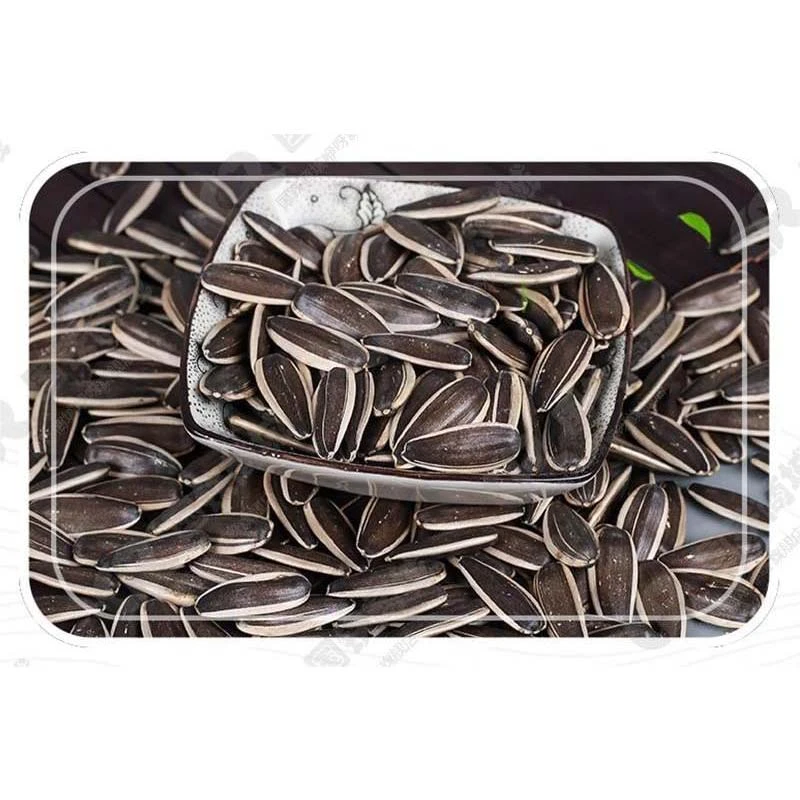
Unique sunflower seeds ( Helianthus annuus ) represent a specialized segment within the broader sunflower seed industry, characterized by specific genetic traits resulting in enhanced oil content, protein profiles, hull characteristics, or novel fatty acid compositions. Positioned as a key ingredient in human food applications, particularly snack foods, confectionery, and increasingly as a source for nutraceuticals, these seeds occupy a critical juncture between agricultural production and food processing. Core performance attributes are defined by oil yield (typically 40-55% by weight), protein content (20-25%), and the ratio of linoleic to oleic acid, influencing both nutritional value and processing stability. The industry faces increasing demands for non-GMO varieties, consistent seed size for optimized processing, and seeds with improved resistance to common fungal pathogens like Sclerotinia sclerotiorum. This guide provides a detailed technical overview of the material science, manufacturing processes, performance characteristics, failure modes, and industry standards related to these specialized seeds.
Material Science & Manufacturing
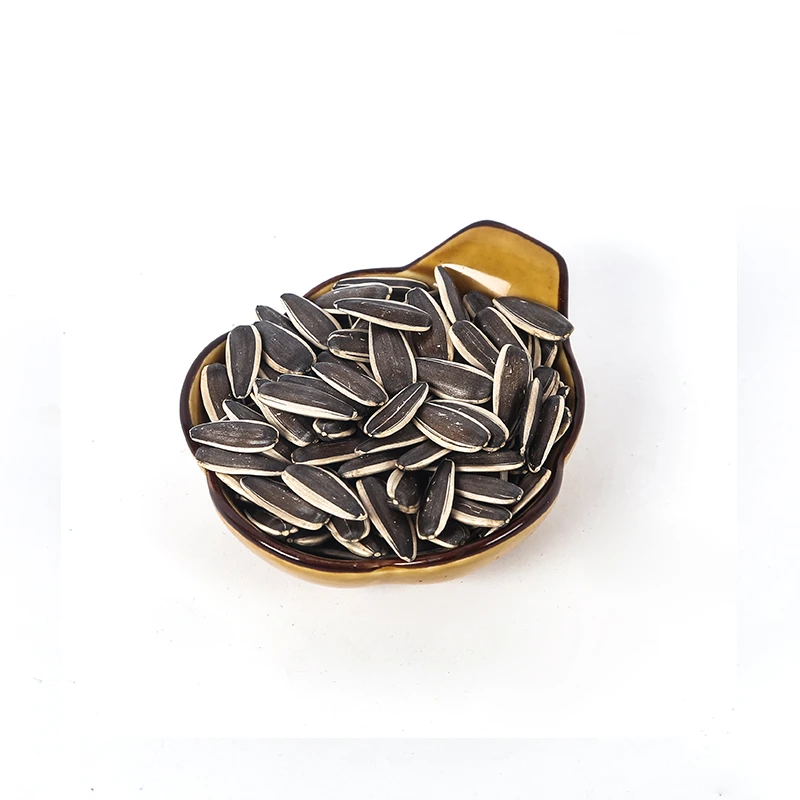
Sunflower seeds are composed primarily of a hull (pericarp), kernel (cotyledon), and embryo. The hull’s composition is largely cellulose, hemicellulose, and lignin, contributing to its protective function. The kernel consists predominantly of lipids (primarily triglycerides), proteins (globulins, albumin), carbohydrates, and trace elements. Unique varieties often exhibit modifications to the lipid profile, increasing oleic acid content for improved oxidative stability. Manufacturing begins with optimized seed breeding programs focusing on yield, oil quality, and disease resistance. Seed production involves careful control of planting density, fertilization (nitrogen, phosphorus, potassium), and irrigation. Harvesting is critical, with moisture content ideally maintained between 8-12% to prevent fungal growth and maximize kernel integrity. Post-harvest processing includes cleaning (removal of debris), drying (to further reduce moisture), dehulling (mechanical removal of the hull, using impact or friction methods - parameter control: impact velocity, gap size), and grading (separation based on size and quality). Chemical compatibility is crucial during oil extraction (typically using hexane solvent) and refining processes (degumming, neutralization, bleaching, deodorization), demanding stringent control of temperature, pressure, and solvent purity to prevent degradation of desirable fatty acids. Seed coating with polymers (e.g., polyethylene glycol) is also employed to improve flowability and protect against insect damage during storage.
Performance & Engineering
Performance evaluation centers around several key parameters. Oil yield is determined through Soxhlet extraction, quantifying the lipid content. Protein content is assessed using the Kjeldahl method, measuring nitrogen levels. Fatty acid profile analysis is performed via gas chromatography (GC), identifying and quantifying individual fatty acids (oleic, linoleic, palmitic, stearic). Hull strength is measured using compression testing, determining the force required to fracture the hull – impacting dehulling efficiency. Seed size uniformity is evaluated statistically (coefficient of variation) impacting processing throughput. Environmental resistance focuses on evaluating seed viability and germination rates under varying temperature and humidity conditions, as well as resistance to Sclerotinia infection (assessed via field trials). Compliance requirements include adherence to food safety standards (FDA, EFSA), non-GMO regulations (depending on the target market), and pesticide residue limits (established by regulatory bodies). The engineering challenges involve optimizing dehulling processes to minimize kernel damage, improving oil extraction efficiency while preserving desirable fatty acid profiles, and designing storage facilities that maintain seed quality and prevent fungal contamination. Force analysis during dehulling considers impact force, friction coefficient, and material properties of both the hull and kernel to optimize machine settings.
Technical Specifications
| Parameter | Typical Range (Standard Variety) | Typical Range (High Oleic Variety) | Testing Method |
|---|---|---|---|
| Oil Content (% dry weight) | 42-48% | 48-55% | Soxhlet Extraction (AOCS Official Method) |
| Protein Content (% dry weight) | 20-24% | 22-26% | Kjeldahl Method (AOCS Official Method) |
| Oleic Acid (%) | 15-30% | 60-80% | Gas Chromatography (GC-FID) (AOCS Official Method) |
| Linoleic Acid (%) | 50-65% | 10-25% | Gas Chromatography (GC-FID) (AOCS Official Method) |
| Hull Strength (N) | 50-100 N | 40-80 N | Compression Testing (ASTM D695) |
| Moisture Content (%) | <8% (for storage) | <8% (for storage) | Oven Drying Method (AOCS Official Method) |
Failure Mode & Maintenance
Failure modes in sunflower seeds can occur at various stages. During growth, Sclerotinia infection leads to kernel rot and yield loss. Post-harvest, improper drying and storage result in fungal contamination ( Aspergillus , Penicillium ), producing mycotoxins (aflatoxins) rendering the seeds unusable. Mechanical damage during dehulling causes kernel breakage, reducing oil yield and impacting quality. Lipid oxidation, particularly in standard varieties with high linoleic acid content, leads to rancidity and off-flavors, reducing shelf life. Maintenance of optimal storage conditions is paramount – low temperature (<15°C), low humidity (<60%), and protection from light. Regular inspection for insect infestation and fungal growth is crucial. Preventative measures include seed treatment with fungicides, proper ventilation in storage facilities, and the use of inert gas (nitrogen) packaging to minimize oxidation. For processing equipment (dehullers, oil extractors), regular cleaning, lubrication, and replacement of worn parts are essential to prevent mechanical failures and ensure optimal performance. The implementation of a Hazard Analysis and Critical Control Points (HACCP) system is vital for ensuring food safety and preventing contamination.
Industry FAQ
Q: What is the primary advantage of high-oleic sunflower seeds compared to conventional varieties?
A: High-oleic varieties offer significantly improved oxidative stability due to the lower proportion of polyunsaturated linoleic acid. This translates to a longer shelf life, reduced rancidity, and the ability to use the oil in high-heat applications without significant degradation. This also lowers the need for hydrogenation, avoiding the formation of trans fats.
Q: How does hull strength affect the efficiency of the dehulling process?
A: Hull strength directly impacts the energy required for dehulling and the incidence of kernel damage. Weaker hulls are easier to remove but may lead to higher kernel breakage rates. Stronger hulls require more energy, potentially decreasing throughput and increasing wear on the dehulling equipment. Optimal hull strength depends on the specific dehulling technology employed.
Q: What are the critical control points for preventing aflatoxin contamination in sunflower seeds?
A: Critical control points include proper drying to <8% moisture content immediately after harvest, preventing physical damage during handling and storage, maintaining cool and dry storage conditions, and regular monitoring for fungal growth and aflatoxin levels. Rapid response to any signs of contamination is vital.
Q: How is the fatty acid profile of sunflower oil influenced by genetics and environmental factors?
A: Genetics play the dominant role in determining the fatty acid profile, particularly the ratio of oleic to linoleic acid. However, environmental factors such as temperature, water availability, and soil nutrient levels can also influence the lipid composition. Lower temperatures generally favor oleic acid accumulation.
Q: What analytical methods are commonly used to assess the quality of sunflower seeds?
A: Common analytical methods include moisture content determination (oven drying), oil content determination (Soxhlet extraction), protein content determination (Kjeldahl method), fatty acid profile analysis (gas chromatography), aflatoxin analysis (HPLC or ELISA), and hull strength measurement (compression testing). Seed germination tests are also used to assess viability.
Conclusion
Unique sunflower seeds represent a sophisticated agricultural commodity requiring precise management from breeding and cultivation through processing and storage. Their performance is intrinsically linked to material properties – the composition of the hull and kernel – and their susceptibility to various failure modes, primarily related to fungal contamination and lipid oxidation. Optimizing these factors demands a deep understanding of material science principles, rigorous adherence to industry best practices, and continuous monitoring of critical control points.
The future of the industry will likely focus on further genetic improvement to enhance oil quality and disease resistance, the development of more efficient and sustainable processing technologies, and the implementation of robust quality control systems to ensure food safety and meet evolving consumer demands for healthy and nutritious food ingredients. Continued research into novel storage techniques and packaging materials will also be critical for extending shelf life and minimizing waste.
