Introduction
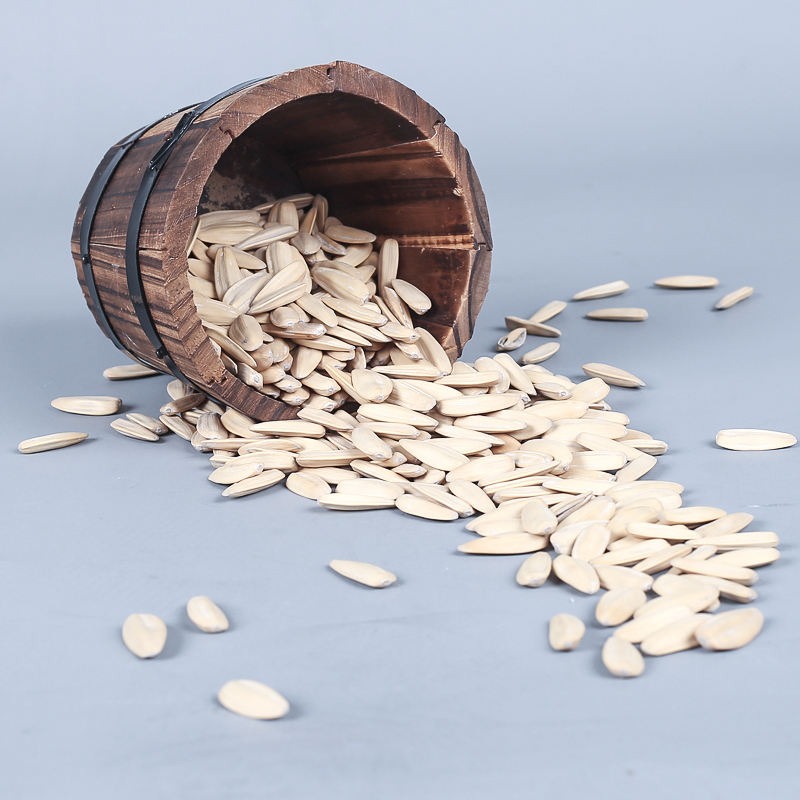
Sunflower seeds ( Helianthus annuus) represent a significant agricultural commodity, positioned within the oilseed and snack food industries. ‘Top quality’ sunflower seeds, for the purposes of this technical guide, denote those meeting stringent criteria regarding oil content, protein levels, kernel integrity, moisture content, and absence of deleterious materials. These seeds serve as a critical input for edible oil production, confectionery applications, and animal feed. Core performance metrics include oil yield (typically 40-50% by weight), linoleic acid content (influencing oil stability), protein content (affecting nutritional value), and shelling characteristics (impacting processing efficiency). The primary industry pain point revolves around maintaining consistent seed quality across varying growing conditions and minimizing mycotoxin contamination, particularly aflatoxins, impacting both human and animal health. Seed varietal selection, agronomic practices, and post-harvest handling are paramount to achieving commercially acceptable quality standards.
Material Science & Manufacturing
The sunflower seed kernel is primarily composed of lipids (35-55%), proteins (18-25%), carbohydrates (15-20%), and fiber (6-10%). The lipid fraction predominantly comprises triglycerides, with linoleic acid being the dominant fatty acid. The seed coat, or hull, is composed of cellulose, hemicellulose, and lignin, providing structural integrity and a barrier against environmental factors. Manufacturing begins with varietal selection based on desired oil profile and agronomic traits. Cultivation practices, including irrigation and fertilization, profoundly impact seed composition. Harvesting typically occurs when the seed moisture content reaches 18-20%. Drying is critical, reducing moisture to 8-9% to prevent fungal growth and maintain seed viability. This is usually achieved using forced-air drying systems, carefully controlling temperature (below 45°C) to avoid protein denaturation. De-hulling, a mechanical process, removes the outer hull, increasing the oil content of the resulting kernel. This process requires precise control of impact force and abrasion to minimize kernel damage. Grading and sorting, utilizing size and density separators, further refine the product, removing broken kernels and foreign material. Quality control throughout the process focuses on monitoring moisture content, oil content (using Soxhlet extraction or NMR), and mycotoxin levels (via HPLC or ELISA).
Performance & Engineering
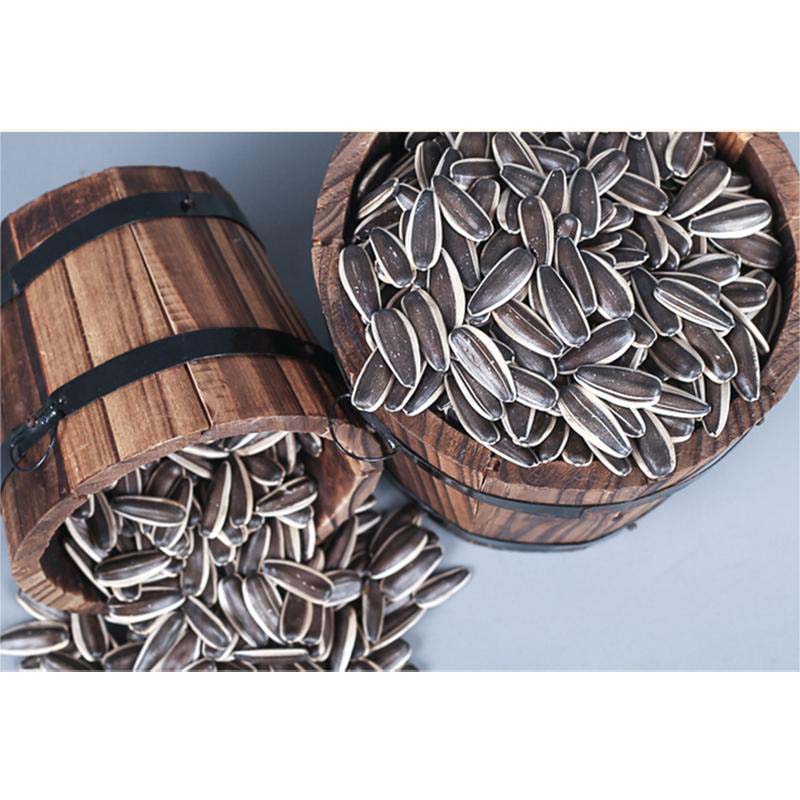
Performance assessment of sunflower seeds involves several critical engineering considerations. Shelling force analysis determines the energy required to remove the hull, a key indicator of processing efficiency and potential kernel damage. This is measured using a universal testing machine. Kernel hardness, quantified via compression testing, influences milling characteristics and oil extraction yield. Seed size and shape uniformity, analyzed using image processing techniques, affect packing density and flowability in processing equipment. Environmental resistance centers on seed viability during storage. Moisture ingress and temperature fluctuations can accelerate lipid oxidation, leading to rancidity and reduced oil quality. Packaging materials with low oxygen transmission rates (OTR) and moisture vapor transmission rates (WVTR) are crucial. Compliance requirements include adherence to food safety standards (e.g., HACCP, GMP) and regulations governing mycotoxin levels (e.g., FDA, EFSA). Engineering efforts are focused on optimizing drying processes to minimize cracking and maximizing oil yield during extraction. The oil extraction process (mechanical pressing or solvent extraction) demands careful control of temperature, pressure, and solvent ratios to optimize efficiency and minimize residual solvent levels.
Technical Specifications
| Parameter | Unit | Specification (Premium Grade) | Test Method |
|---|---|---|---|
| Oil Content (Dry Basis) | % | 48-52 | Soxhlet Extraction (AOCS Official Method Ja 5-91) |
| Protein Content (Dry Basis) | % | 18-22 | Kjeldahl Method (AOCS Official Method Ba 3-91) |
| Moisture Content | % | < 9.0 | Oven Drying (AOCS Official Method Ca 14-91) |
| Kernel Size (Diameter) | mm | 10-14 | Sieve Analysis |
| Kernel Damage (Broken/Split Kernels) | % | < 2.0 | Visual Inspection |
| Free Fatty Acids (FFA) | % | < 0.5 | Titration (AOCS Official Method Ca 5-91) |
Failure Mode & Maintenance
Sunflower seeds are susceptible to several failure modes impacting quality and storage life. Lipid oxidation, induced by oxygen, light, and temperature, results in rancidity and off-flavors, decreasing shelf life. This is mitigated through antioxidant packaging and controlled storage temperatures. Mycotoxin contamination, particularly by Aspergillus species, represents a significant safety hazard. Proper drying, storage sanitation, and the use of antifungal treatments are essential preventative measures. Physical damage, such as cracking or chipping during handling, reduces seed integrity and increases susceptibility to fungal infection. Optimized harvesting and handling equipment are crucial. Insect infestation can lead to seed loss and contamination. Insecticides and controlled atmosphere storage are employed for prevention. Protein denaturation, caused by excessive drying temperatures, reduces oil extraction efficiency. Precise temperature control during drying is paramount. For maintenance, proper cleaning and sanitation of storage facilities are critical. Regular monitoring of temperature and humidity is essential. Periodic testing for mycotoxins and FFA levels provides early warning of potential quality degradation. Implementing a robust traceability system allows for rapid identification and isolation of affected batches.
Industry FAQ
Q: What is the acceptable level of aflatoxin in sunflower seeds destined for human consumption?
A: Regulatory limits for aflatoxin vary by region. The US FDA sets a limit of 20 parts per billion (ppb), while the European Union's maximum level is typically 2-4 ppb, depending on the final product. Regular testing using HPLC or ELISA methods is essential to ensure compliance.
Q: How does the linoleic acid content impact the stability of sunflower oil?
A: Higher linoleic acid content contributes to increased susceptibility to oxidation, reducing oil stability. However, high-oleic sunflower varieties, with significantly lower linoleic acid levels, are available and offer improved oxidative stability, leading to longer shelf life.
Q: What are the key considerations for long-term storage of sunflower seeds?
A: Optimal storage conditions involve low temperature (below 15°C), low humidity (below 65% relative humidity), and protection from light and oxygen. Proper ventilation and pest control are also crucial. Storage in sealed, airtight containers or modified atmosphere packaging is recommended.
Q: What is the impact of seed moisture content on storage life?
A: Moisture content is a critical factor. Seeds with moisture content exceeding 9% are prone to fungal growth and reduced shelf life. Thorough drying to 8-9% is essential prior to storage.
Q: How is kernel damage assessed, and why is it important?
A: Kernel damage is typically assessed visually by inspecting for broken, chipped, or split kernels. It’s important because damaged kernels are more susceptible to fungal infection, insect infestation, and reduced oil yield. It directly impacts seed quality and processing efficiency.
Conclusion
The production of top quality sunflower seeds necessitates a rigorous, multi-faceted approach encompassing varietal selection, optimized agronomic practices, controlled drying and processing, and meticulous storage management. Maintaining strict adherence to quality parameters – encompassing oil content, protein levels, moisture content, and the absence of contaminants – is paramount for ensuring both product safety and commercial viability. The industry continually faces challenges related to mycotoxin control, lipid oxidation, and physical damage, requiring ongoing innovation in both agricultural techniques and post-harvest handling.
Future developments will likely focus on breeding for improved disease resistance, enhanced oil stability, and increased seed yield. Advanced monitoring technologies, such as near-infrared spectroscopy, will enable real-time assessment of seed quality throughout the supply chain. Sustainable packaging solutions, incorporating biodegradable materials and optimized barrier properties, will contribute to reduced environmental impact. A continued emphasis on traceability and quality assurance systems will be vital for maintaining consumer confidence and expanding market opportunities.
