Introduction
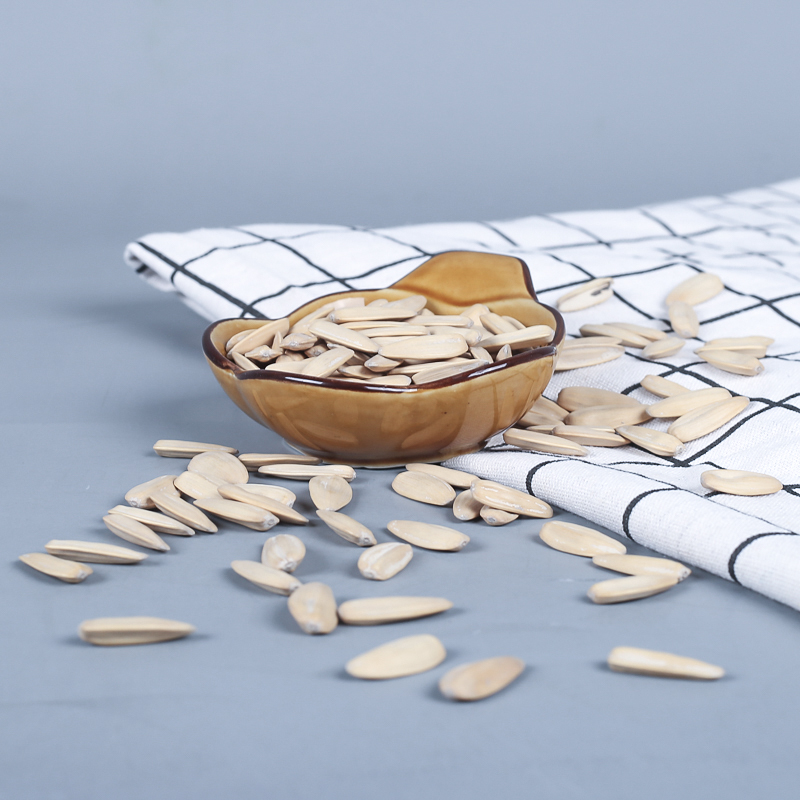
Sunflower seed toasting is a unit operation critical to snack food production and constitutes a significant element in maximizing palatability and shelf-life. This guide details the science and engineering principles governing effective sunflower seed toasting, encompassing material properties, process control, performance metrics, and potential failure modes. The process, while seemingly simple, involves complex heat and mass transfer phenomena impacting seed quality, flavor development, and microbial safety. Within the broader food processing industry, toasting occupies a crucial position, bridging raw agricultural product to consumer-ready food. Achieving optimal toasting necessitates a deep understanding of seed composition, thermal characteristics, and process parameters like temperature, time, and airflow. Poorly controlled toasting results in under-developed flavor, rancidity, textural defects, and potential for acrylamide formation, posing both economic and health-related challenges.
Material Science & Manufacturing
Sunflower seeds ( Helianthus annuus) are comprised of approximately 35-45% oil, 20-30% protein, 15-25% carbohydrates (primarily starch and fiber), and 5-10% moisture. The oil composition is dominated by linoleic acid (60-75%) and oleic acid (15-30%), influencing thermal stability and susceptibility to oxidation. Seed coat composition, featuring cellulose, hemicellulose, and lignin, plays a key role in moisture retention and heat transfer. Manufacturing processes typically employ continuous toasting systems. Seeds are fed into a rotating drum or fluidized bed reactor heated by gas or electric elements. Key process parameters include feed rate, drum speed (residence time), heating temperature (ranging from 120°C to 180°C depending on desired roast level), and airflow. Airflow is critical for moisture removal and preventing localized overheating. Precise control of these parameters is essential for uniform toasting and minimizing defects. Pre-treatment stages, such as cleaning and dehulling, remove foreign materials and improve heat transfer efficiency. Continuous monitoring of seed temperature throughout the process is vital, often achieved using infrared sensors or thermocouples embedded within the toasting chamber. The Maillard reaction, a non-enzymatic browning reaction between reducing sugars and amino acids, is central to flavor development during toasting. This reaction is highly temperature and moisture dependent, requiring precise control for optimal flavor profile. The specific heat capacity of sunflower seeds is approximately 1.8 J/g°C, influencing the energy input required for toasting.
Performance & Engineering
Performance evaluation of sunflower seed toasting centers around several key metrics: moisture content, oil quality (peroxide value, acid value, iodine value), color (measured using a colorimeter - L, a, b values), textural properties (hardness, crispness), and flavor profile (sensory analysis). Moisture content is reduced during toasting, typically from 8-10% to 2-4%, inhibiting microbial growth and enhancing crispness. However, excessive moisture reduction leads to seed brittleness and increased susceptibility to breakage. Oil quality is critically impacted by temperature and duration of toasting. Elevated temperatures and prolonged exposure to oxygen promote lipid oxidation, increasing peroxide and acid values, resulting in rancidity. Color changes reflect the extent of Maillard reaction and caramelization. L values decrease (darkening) while a and b values shift depending on the roasting level. Engineering considerations focus on heat transfer efficiency, airflow distribution, and equipment design. Fluidized bed toasters offer superior heat transfer and uniform toasting compared to drum roasters, but require careful control to prevent seed attrition. Computational Fluid Dynamics (CFD) modeling is employed to optimize airflow patterns and temperature distribution within the toasting chamber. The Reynolds number, characterizing airflow regime, is a critical parameter in toasting system design. Compliance requirements include adherence to food safety regulations (e.g., HACCP, GMP) and standards for oil quality and moisture content.
Technical Specifications
| Parameter | Unit | Typical Range | Acceptable Tolerance |
|---|---|---|---|
| Initial Moisture Content | % (wet basis) | 8-10 | ± 1.0 |
| Final Moisture Content | % (wet basis) | 2-4 | ± 0.5 |
| Toasting Temperature | °C | 120-180 | ± 5 |
| Residence Time | Minutes | 15-30 | ± 2 |
| Airflow Velocity | m/s | 2-5 | ± 0.5 |
| Peroxide Value (Final Product) | meq O₂/kg | < 5 | ± 1 |
Failure Mode & Maintenance
Common failure modes in sunflower seed toasting include: uneven toasting (resulting from non-uniform temperature distribution or insufficient airflow), seed scorching (due to localized overheating), rancidity (caused by lipid oxidation), cracking and breakage (resulting from excessive moisture reduction or mechanical stress), and acrylamide formation (associated with high temperatures and reducing sugar content). Failure analysis typically involves examining seed samples for color variations, moisture content gradients, and oil quality parameters. Preventive maintenance is crucial for minimizing downtime and ensuring consistent product quality. This includes regular inspection and cleaning of toasting equipment, calibration of temperature sensors, and monitoring of airflow rates. Bearing lubrication is critical for drum roasters, preventing premature wear and failure. The heating elements require periodic inspection for corrosion or damage. Air filters must be regularly replaced to maintain optimal airflow and prevent dust accumulation. Control systems require software updates and validation to ensure accurate parameter control. Furthermore, regular microbiological testing is essential to detect and prevent microbial contamination. Proper storage of toasted seeds in airtight containers under cool, dry conditions is vital to prevent rancidity and maintain quality.
Industry FAQ
Q: What is the optimal temperature range for maximizing flavor development while minimizing acrylamide formation in sunflower seeds?
A: The optimal temperature range is typically between 140°C and 160°C. While higher temperatures promote Maillard reaction and flavor development, they also increase the risk of acrylamide formation. Carefully controlling the toasting time and moisture content is crucial. Reducing the seed's moisture content prior to toasting can also help mitigate acrylamide formation.
Q: How does airflow rate impact the uniformity of toasting and moisture removal?
A: Airflow rate directly impacts heat transfer and moisture removal. Insufficient airflow leads to localized overheating and uneven toasting. Excessive airflow can cause seed attrition and increase energy consumption. Optimizing airflow involves balancing these factors to achieve uniform toasting and efficient moisture removal. CFD modeling is a valuable tool for determining the optimal airflow rate and distribution.
Q: What are the key indicators of lipid oxidation during toasting and how can it be prevented?
A: Key indicators include increasing peroxide value and acid value. Lipid oxidation can be prevented by minimizing exposure to oxygen, controlling toasting temperature, and adding antioxidants (e.g., Vitamin E) to the seeds. Proper storage in airtight containers under cool, dark conditions is also essential.
Q: How can we ensure consistent product quality across different batches of sunflower seeds with varying initial moisture content?
A: Implementing a closed-loop control system that adjusts toasting parameters (temperature, time, airflow) based on real-time measurements of seed moisture content is essential. This requires accurate moisture sensors and a robust control algorithm. Pre-drying seeds with high initial moisture content can also help standardize the process.
Q: What role does seed variety play in the toasting process and resulting product quality?
A: Seed variety significantly impacts oil content, protein composition, and seed coat characteristics, all of which influence toasting behavior and final product quality. High-oleic varieties are more resistant to oxidation and have a longer shelf life. Seed coat thickness affects heat transfer rates. Process parameters may need to be adjusted based on the specific seed variety used.
Conclusion
Effective sunflower seed toasting relies on a meticulous understanding of material science, heat transfer principles, and process control. Optimizing parameters such as temperature, time, and airflow is critical for maximizing flavor development, preserving oil quality, and ensuring product safety. Continuous monitoring of key performance indicators and proactive maintenance of equipment are essential for maintaining consistent product quality and minimizing downtime.
Future trends in sunflower seed toasting will likely focus on utilizing advanced process control techniques (e.g., machine learning) to optimize toasting parameters in real-time, exploring alternative heating methods (e.g., microwave or radio frequency heating) for improved energy efficiency and product uniformity, and developing novel antioxidant strategies to further enhance shelf life and prevent rancidity. A holistic approach, integrating material science, engineering principles, and data analytics, will be crucial for driving innovation in this critical food processing operation.
