Introduction
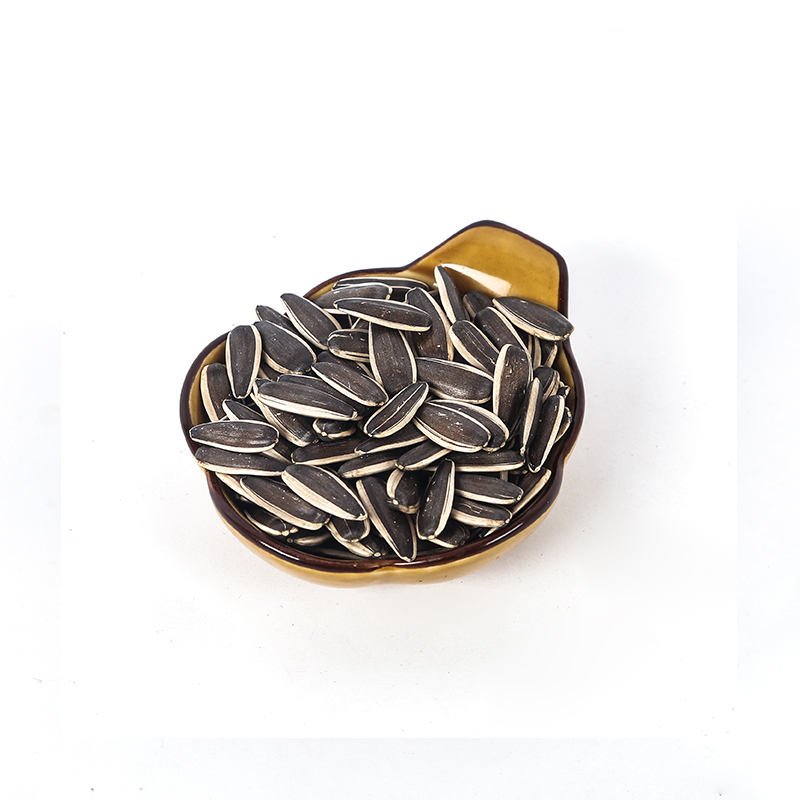
Toasted sunflower seeds are a processed food product derived from the seed of Helianthus annuus, commonly known as the sunflower. Their position within the food industry chain is as a value-added agricultural product, transitioning from raw commodity to a ready-to-eat snack or ingredient. The toasting process fundamentally alters the seed’s characteristics, impacting flavor, texture, and nutritional profile. Core performance characteristics center around maintaining palatability (taste and aroma), achieving a desired crispness, controlling moisture content for shelf-life stability, and minimizing the formation of undesirable compounds during heating. This guide provides a comprehensive technical overview of toasted sunflower seeds, covering material science, manufacturing processes, performance considerations, potential failure modes, and relevant industry standards. The increasing demand for healthy snack alternatives has driven significant innovation in toasting techniques and quality control measures.
Material Science & Manufacturing
The raw sunflower seed comprises approximately 35-45% oil (primarily linoleic acid), 20-25% protein, 15-20% carbohydrate (largely cellulose and hemicellulose in the shell), and 5-10% moisture. The shell, or hull, provides structural integrity and protection but is typically removed prior to toasting, although hull-on varieties are also common. Toasting is a complex thermal process that induces a variety of chemical and physical changes. Maillard reactions between amino acids and reducing sugars generate flavor compounds. Lipid oxidation, while contributing to flavor development, can also lead to rancidity if uncontrolled. Moisture migration is critical; initial surface drying is crucial for achieving crispness. Manufacturing typically involves several stages: cleaning and grading of raw seeds to remove foreign matter and size inconsistencies; dehulling (if applicable), often employing mechanical abrasion; and finally, toasting. Toasting methods include drum roasting, fluid bed roasting, and microwave toasting. Drum roasting utilizes conductive heat transfer, leading to a more even toast but requiring longer processing times. Fluid bed roasting uses convective heat transfer, providing faster processing but requiring precise airflow control. Key parameters during toasting are temperature (typically 120-180°C), time (5-20 minutes), and air velocity (in fluid bed systems). Precise temperature control is paramount to prevent scorching and the formation of acrylamide, a potentially harmful compound. Seed moisture content prior to toasting, typically around 8-10%, significantly impacts the final product's texture and shelf life. Post-toasting, seeds are often seasoned with salt or other flavorings and packaged in airtight containers to prevent moisture reabsorption and oxidation.
Performance & Engineering
Performance of toasted sunflower seeds is evaluated based on several key engineering parameters. Shear force analysis is used to quantify crispness; lower shear force values indicate a crisper texture. Water activity (Aw) is a critical metric for shelf-life prediction. A low Aw (typically < 0.6) inhibits microbial growth and slows down oxidation reactions. Color measurement, using a colorimeter, ensures batch-to-batch consistency and consumer appeal. Oil stability is assessed through rancidity testing, measuring peroxide value and free fatty acid content. Compliance requirements are dictated by food safety regulations, including those related to heavy metal content (e.g., lead, cadmium) and mycotoxin levels (e.g., aflatoxins). These are routinely monitored through laboratory analysis. Packaging plays a crucial role in maintaining product performance. Materials with low oxygen transmission rates (OTR) and low water vapor transmission rates (WVTR) are preferred to prevent oxidation and moisture uptake. Additionally, the packaging material must be food-grade and compliant with relevant regulations regarding migration of substances into the food product. Force analysis during dehulling processes is also vital, optimizing mechanical stress to maximize yield and minimize seed damage. Understanding the thermal conductivity of the seed itself is important for designing efficient toasting systems.
Technical Specifications
| Parameter | Unit | Typical Value (Range) | Test Method |
|---|---|---|---|
| Moisture Content | % | 2-5% | AOAC 925.10 |
| Oil Content | % | 40-50% | Soxhlet Extraction (AOAC 920.39) |
| Water Activity (Aw) | - | <0.6 | Water Activity Meter (ASTM E337) |
| Shear Force (Crispness) | N | <5 (Lower is crisper) | Texture Analyzer (TA.XTplus) |
| Peroxide Value (Oil Rancidity) | meq O2/kg | <5 | AOCS Cd 8-53 |
| Free Fatty Acids (Oil Rancidity) | % oleic acid | <0.5 | AOCS Cd 3-63 |
Failure Mode & Maintenance
Toasted sunflower seeds are susceptible to several failure modes. Rancidity is a primary concern, caused by lipid oxidation and leading to off-flavors and decreased consumer acceptance. This is accelerated by exposure to oxygen, light, and heat. Loss of Crispness occurs due to moisture reabsorption from the atmosphere, leading to a stale texture. Shell Fragments can remain in the finished product, posing a choking hazard and affecting product quality. Scorching during toasting results in a burnt taste and appearance, indicating excessive temperatures or uneven heating. Acrylamide Formation is a chemical failure, a potentially carcinogenic compound formed during high-temperature toasting. Maintenance to mitigate these failures includes proper storage in airtight, opaque containers; regular monitoring of moisture content and water activity; effective dehulling procedures; precise temperature control during toasting; and implementation of quality control measures to detect and remove defective batches. Preventative maintenance of toasting equipment (e.g., cleaning heat exchangers, calibrating temperature sensors) is crucial for consistent product quality. Regular oil stability testing and sensory evaluation are also essential components of a robust quality assurance program. Packaging integrity checks are needed to ensure the barrier properties remain consistent.
Industry FAQ
Q: What is the optimal moisture content of sunflower seeds before toasting, and why is it critical?
A: The optimal moisture content before toasting is typically between 8-10%. Lower moisture content can lead to scorching due to faster heat transfer, while higher moisture content hinders crispness development, requiring longer toasting times and potentially resulting in a gummy texture. Maintaining this range ensures efficient heat transfer and the desired textural characteristics.
Q: How can we minimize acrylamide formation during the toasting process?
A: Minimizing acrylamide formation requires careful control of toasting parameters. Lower toasting temperatures, shorter toasting times, and maintaining a seed moisture content within the optimal range are crucial. The addition of asparaginase, an enzyme that reduces asparagine levels (a precursor to acrylamide), can also be considered. Regular monitoring of acrylamide levels in the finished product is essential.
Q: What packaging materials provide the best barrier properties to prevent rancidity?
A: Packaging materials with low oxygen transmission rates (OTR) and low water vapor transmission rates (WVTR) are ideal. Multi-layer films incorporating aluminum foil or metallized polyester provide excellent barrier properties. The inclusion of a desiccant packet within the packaging can further reduce moisture levels and prolong shelf life.
Q: How do you effectively monitor and control the degree of toasting to ensure consistency?
A: Consistent toasting is achieved through continuous monitoring of temperature, time, and airflow (for fluid bed systems). Color measurement using a colorimeter is a valuable objective metric. Regular sensory evaluation by a trained panel is also essential to assess flavor, aroma, and texture. Statistical process control (SPC) can be implemented to track key parameters and identify any deviations from the target values.
Q: What are the primary factors contributing to shell fragments in the finished product and how can these be mitigated?
A: Incomplete dehulling is the primary cause of shell fragments. Optimizing the dehulling process by adjusting mechanical pressure, abrasion surface characteristics, and seed feed rate is crucial. Proper seed cleaning and screening after dehulling can also remove residual shell fragments. Careful handling during processing can minimize further shell breakage.
Conclusion
Toasting sunflower seeds is a nuanced process governed by complex interactions between material science, heat transfer, and chemical reactions. Achieving optimal quality requires precise control of manufacturing parameters, diligent monitoring of key performance indicators such as moisture content, water activity, and oil stability, and a thorough understanding of potential failure modes. Maintaining consistency across batches is critical for meeting consumer expectations and ensuring product safety.
Future innovation in this field will likely focus on optimizing toasting techniques to minimize acrylamide formation, developing novel packaging materials with enhanced barrier properties, and exploring alternative toasting methods such as infrared or pulsed electromagnetic field technologies to improve energy efficiency and product quality. Continual refinement of quality control procedures and adherence to stringent industry standards will be paramount for continued success in the competitive snack food market.
