
Introduction
Tasty sunflower seeds represent a significant segment within the broader snack food industry, occupying a niche between convenience foods and health-conscious options. From a technical standpoint, the production and quality control of these seeds involve a complex interplay of agronomic practices, post-harvest processing, and coating technologies. This guide will provide an in-depth analysis of sunflower seed composition, manufacturing processes, performance characteristics related to palatability and shelf life, common failure modes, and relevant industry standards. The primary performance indicators center around kernel integrity, oil content, moisture levels, shell strength, and the adherence/flavor profile of applied seasonings. Understanding these factors is crucial for procurement managers, quality control engineers, and food scientists involved in the sunflower seed supply chain.
Material Science & Manufacturing
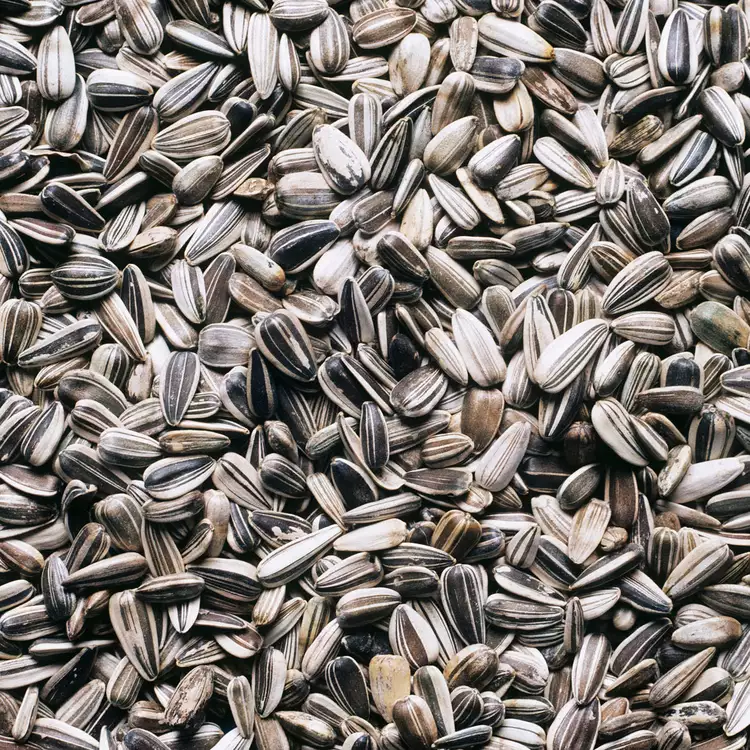
Sunflower seeds ( Helianthus annuus ) consist of three primary components: the kernel (cotyledon, containing approximately 40-50% oil), the hull (approximately 20-30% by weight), and the seed coat. The kernel’s oil is primarily composed of linoleic acid (a polyunsaturated omega-6 fatty acid) and oleic acid (a monounsaturated fatty acid), impacting oxidative stability. Hull composition is largely cellulose and lignin, dictating its mechanical strength and influence on dehulling efficiency. Manufacturing begins with seed selection based on kernel size and oil content. The seeds undergo cleaning, dehulling (either mechanically or via steam cracking), sorting (removing damaged or empty seeds), drying (to achieve a moisture content of approximately 8-10% for optimal shelf life), and grading. A critical process parameter is drying temperature. Excessive temperatures (above 60°C) can denature proteins and induce lipid oxidation, leading to off-flavors. Coating is often applied using a fluidized bed coater, ensuring uniform distribution of seasoning blends. Coating formulations involve starches, sugars, salts, and flavorings. Adhesion relies on a combination of electrostatic forces and intermolecular attraction. Parameter control includes coating solution viscosity, spray rate, bed air temperature, and airflow, all impacting coating uniformity and adhesion strength. Further processing can include roasting, which develops flavor but also presents a risk of acrylamide formation if roasting parameters (temperature and time) are not optimized.
Performance & Engineering
The performance of tasty sunflower seeds is governed by several key engineering principles. Shell strength dictates the ease of cracking during consumption. This is assessed through fracture mechanics, considering factors like hull thickness, cellulose fiber orientation, and moisture content. Lower moisture content generally increases shell brittleness. Oil stability is paramount for preventing rancidity. The Rancimat method (ASTM D3801) is employed to measure oxidative stability, quantifying the induction time before significant lipid oxidation occurs. Antioxidants (e.g., Vitamin E, BHA, BHT) are frequently added to coating formulations to extend shelf life. Moisture content plays a critical role in texture and microbial growth. Water activity (Aw) is a more informative parameter than moisture content alone, representing the amount of unbound water available for microbial proliferation. Target Aw values are typically below 0.6. The integrity of the coating is crucial for flavor retention and protection against moisture ingress. Adhesion strength is measured using tensile testing, assessing the force required to delaminate the coating from the kernel. Finally, sensory analysis (taste, aroma, texture) is essential for evaluating overall product acceptability, often employing trained panels to quantify perceived attributes.
Technical Specifications
| Parameter | Unit | Specification | Test Method |
|---|---|---|---|
| Kernel Oil Content | % (Dry Basis) | 48 – 55 | AOAC 983.23 |
| Moisture Content | % | 8 – 10 | AOAC 925.10 |
| Hull Content | % | < 8 | Visual Inspection & Weight Loss on Hulling |
| Broken Kernels / Foreign Matter | % | < 2 | Visual Inspection |
| Peroxide Value (Oil) | meq O2/kg | < 5 | AOCS Cd 8-53 |
| Water Activity (Aw) | - | < 0.6 | Water Activity Meter (e.g., Novasina) |
Failure Mode & Maintenance
Sunflower seeds are susceptible to several failure modes. Rancidity, caused by lipid oxidation, is a primary concern, leading to off-flavors and reduced palatability. This is accelerated by exposure to oxygen, light, and elevated temperatures. Kernel cracking during processing or handling can reduce quality and increase the proportion of broken kernels. Moisture absorption from the environment can lead to microbial growth (molds, yeasts) and textural changes. Coating delamination results in flavor loss and reduced aesthetic appeal. Insect infestation is another potential issue, particularly during storage. Maintenance strategies include optimizing storage conditions (cool, dry, dark environment), utilizing moisture-barrier packaging, employing antioxidants in coating formulations, and implementing robust pest control measures. Regular quality control checks, including peroxide value monitoring and sensory evaluations, are essential for detecting early signs of degradation. First-in, first-out (FIFO) inventory management is critical to minimize storage time. For large-scale operations, automated sorting systems can effectively remove damaged or defective seeds.
Industry FAQ
Q: What is the optimal moisture content range for long-term sunflower seed storage, and why is it critical?
A: The optimal moisture content range for long-term storage is 8-10%. Maintaining this range minimizes the risk of microbial growth (particularly molds) and enzymatic activity that can lead to rancidity. Higher moisture levels accelerate these degradation processes, reducing shelf life and compromising quality. Below 8%, the seeds can become brittle and prone to breakage.
Q: How does the type of oil (oleic vs. linoleic) impact the shelf life of sunflower seeds?
A: Sunflower seeds with a higher oleic acid content exhibit greater oxidative stability compared to those with a higher linoleic acid content. Oleic acid is a monounsaturated fatty acid, making it less susceptible to oxidation. High-oleic sunflower seeds therefore have a longer shelf life and maintain their flavor better over time. This is a key selection criterion for processors.
Q: What coating materials are most effective at preventing moisture ingress and maintaining flavor integrity?
A: Coatings based on modified starches and sugar alcohols (e.g., sorbitol, mannitol) offer good moisture barrier properties. Adding a layer of edible wax (e.g., carnauba wax) further enhances the barrier protection. Flavor encapsulation techniques, where flavorings are microencapsulated within a protective matrix, help retain aroma and prevent flavor loss over time. The coating's permeability to oxygen should also be considered.
Q: What quality control tests are essential for ensuring consistent product quality throughout the manufacturing process?
A: Essential tests include: moisture content analysis, oil content determination, peroxide value measurement (to assess oxidative stability), water activity measurement, visual inspection for damaged kernels and foreign matter, and sensory evaluation for taste, aroma, and texture. Regular monitoring of these parameters ensures adherence to specifications and identifies potential issues early on.
Q: Are there any regulatory limitations on the types of antioxidants that can be used in sunflower seed coatings?
A: Yes, the use of antioxidants in food products is subject to regulatory approval. In the US, the FDA regulates food additives, including antioxidants. Commonly used antioxidants like BHA (butylated hydroxyanisole) and BHT (butylated hydroxytoluene) are permitted within specified limits. Vitamin E (tocopherols) is often preferred as a natural antioxidant. Regulations vary by country, so compliance with local standards is crucial.
Conclusion
Tasty sunflower seeds, while seemingly simple, represent a technologically complex food product. Achieving optimal quality and shelf life necessitates a thorough understanding of the underlying material science, manufacturing parameters, and potential degradation mechanisms. Precise control over drying, coating application, and storage conditions is essential. By adhering to established industry standards and employing rigorous quality control measures, manufacturers can consistently deliver a palatable and safe product to consumers.
Future developments in sunflower seed technology may focus on enhancing oxidative stability through genetic modification to increase oleic acid content, developing biodegradable coating materials with improved barrier properties, and employing advanced packaging techniques like modified atmosphere packaging to extend shelf life further. Continued research into flavor encapsulation and novel antioxidant systems will also contribute to improved product quality and consumer acceptance.
