Introduction
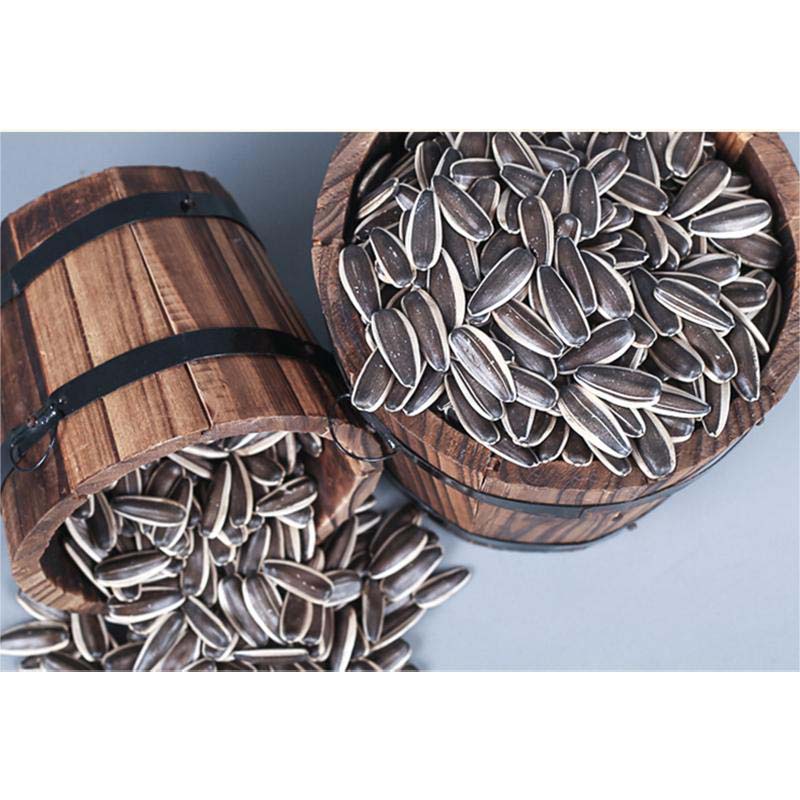
Super snack sunflower seeds represent a processed edible seed product derived from Helianthus annuus, specifically cultivated for maximizing kernel size and flavor profile. Positioned within the snack food industry, these seeds undergo a series of post-harvest processes including drying, dehulling, grading, roasting/seasoning, and packaging. Core performance characteristics center around kernel weight, moisture content, oil content, and sensory attributes (taste, texture, aroma). The increasing demand for convenient, healthy snack options drives the market, with competitive differentiation hinging on consistent quality, unique flavorings, and optimized packaging for extended shelf life. This guide will detail the material science, manufacturing processes, performance parameters, potential failure modes, and relevant industry standards pertaining to super snack sunflower seeds.
Material Science & Manufacturing
The primary raw material, sunflower seeds, comprises a complex biochemical composition. The kernel is rich in lipids (40-50% by weight), primarily linoleic acid (an omega-6 fatty acid), oleic acid (an omega-9 fatty acid), and palmitic acid. Proteins (20-25%) contribute to the seed's nutritional value, while carbohydrates (15-20%) provide energy. The hull, or pericarp, consists of cellulose, hemicellulose, and lignin, providing structural integrity. Moisture content significantly impacts shelf life and susceptibility to rancidity, typically targeted between 6-8% post-processing.
Manufacturing begins with harvesting and initial drying to reduce moisture content to approximately 10-12%. Dehulling is a critical step, often utilizing mechanical abrasion or impact methods. Kernel grading separates seeds based on size and density, removing broken or damaged kernels. Roasting, typically performed at temperatures between 120-180°C, develops the characteristic flavor and texture. This process induces Maillard reactions and caramelization, contributing to the seed’s aroma and color. Seasoning, employing dry or wet application methods, introduces salt, flavor enhancers (e.g., monosodium glutamate), and spices. Finally, packaging in moisture-barrier films (discussed later) protects against oxidation and moisture ingress. Critical parameters during roasting include temperature control to prevent burning, roasting time to achieve desired texture, and even distribution of heat. Dehulling efficiency directly impacts the yield of edible kernels and the amount of waste generated.
Performance & Engineering
Performance is dictated by several engineering considerations. Shear force analysis during dehulling determines the efficiency of kernel separation and minimizes damage. The roasting process involves heat transfer calculations to ensure uniform heating and optimal flavor development. Packaging material selection is crucial for preventing lipid oxidation and maintaining acceptable moisture levels. Oxidative stability, measured by rancidity development (peroxide value, anisidine value), is a key performance indicator. The impact resistance of the kernel is important for withstanding handling and transportation stresses. Sensory evaluation, employing trained panels, assesses flavor, texture, aroma, and overall acceptability. Compliance requirements include adherence to food safety regulations (FDA, EFSA), allergen labeling, and permissible levels of contaminants (e.g., aflatoxins). The structural integrity of the seed, assessed via compression testing, determines its ability to withstand processing and handling stresses. The oil stability index (OSI) is a predictive measure of shelf life based on oxidation rates.
Technical Specifications
| Parameter | Unit | Specification | Test Method |
|---|---|---|---|
| Moisture Content | % w/w | 6.0 – 8.0 | AOAC 925.10 |
| Oil Content | % w/w | 45 – 55 | SOXHLLET Extraction (AOAC 920.39) |
| Kernel Weight | g | 0.8 – 1.2 | Gravimetric Analysis |
| Peroxide Value (PV) | meq O2/kg | < 5.0 | AOCS Cd 8-53 |
| Anisidine Value (AV) | Units | < 15 | AOCS Cd 8-53 |
| Hull Content | % w/w | < 5 | Visual Inspection & Weight Difference |
Failure Mode & Maintenance
Failure modes in super snack sunflower seeds predominantly stem from degradation of lipid quality and physical damage. Rancidity, caused by lipid oxidation, is a common issue, resulting in off-flavors and reduced nutritional value. This is accelerated by exposure to oxygen, light, and elevated temperatures. Physical damage, including cracked or broken kernels, occurs during dehulling, roasting, or handling. Moisture absorption leads to softening of the kernel and promotes microbial growth. Packaging failure (e.g., pinholes, seal defects) compromises the barrier properties and accelerates degradation. Aflatoxin contamination, a potential health hazard, arises from fungal growth during storage. Maintenance focuses on preventative measures. Proper storage conditions (cool, dry, dark environment) are crucial. Using packaging materials with excellent oxygen and moisture barrier properties (e.g., metallized polypropylene, ethylene-vinyl alcohol (EVOH)) extends shelf life. Regular quality control checks for peroxide value, moisture content, and aflatoxin levels are essential. Implementing First-In, First-Out (FIFO) inventory management minimizes storage duration. Damage during processing should be minimized through careful calibration and maintenance of machinery.
Industry FAQ
Q: What is the primary factor impacting the shelf life of super snack sunflower seeds?
A: The primary factor is lipid oxidation, leading to rancidity. This is highly dependent on exposure to oxygen, light, temperature, and the effectiveness of the packaging barrier properties. Maintaining low moisture content is also crucial, as it accelerates oxidative reactions and microbial growth.
Q: How does the dehulling process influence the final product quality?
A: The dehulling process directly impacts kernel integrity. Aggressive dehulling can cause cracks and damage, increasing susceptibility to oxidation and moisture absorption. Efficient and gentle dehulling is vital for maximizing yield and minimizing the number of damaged kernels.
Q: What packaging materials are most effective for preserving freshness?
A: Packaging materials with high oxygen and moisture barrier properties are essential. Metallized polypropylene (MPP) and ethylene-vinyl alcohol (EVOH) films are commonly used. Nitrogen flushing prior to sealing can further reduce oxygen levels inside the package.
Q: How are aflatoxins controlled during production and storage?
A: Aflatoxin control begins with sourcing high-quality seeds from reputable suppliers and implementing strict hygiene practices throughout the manufacturing process. Regular testing for aflatoxin levels is crucial, both on raw materials and finished products. Proper storage conditions (low humidity, temperature control) inhibit fungal growth.
Q: What role does roasting temperature play in flavor development and product quality?
A: Roasting temperature is critical. Lower temperatures (120-140°C) develop milder flavors, while higher temperatures (160-180°C) create more robust, toasted flavors. Excessive temperatures can lead to burning and the formation of undesirable compounds, negatively impacting flavor and quality. Precise temperature control and even heat distribution are essential.
Conclusion
Super snack sunflower seeds, while seemingly simple, represent a complex intersection of material science, engineering, and food safety. Maintaining optimal quality necessitates meticulous control throughout the entire production chain, from seed selection and processing parameters to packaging and storage conditions. Understanding the underlying biochemical reactions, physical properties, and potential failure modes is paramount for ensuring a consistently high-quality and safe product.
Future developments will likely focus on enhancing oxidative stability through novel antioxidant coatings and packaging technologies, optimizing dehulling processes to minimize kernel damage, and implementing more sophisticated quality control measures utilizing spectroscopic techniques for rapid assessment of key parameters like oil content and fatty acid profile. Continuous improvement in these areas will solidify the position of super snack sunflower seeds as a leading healthy snack option.
