Introduction
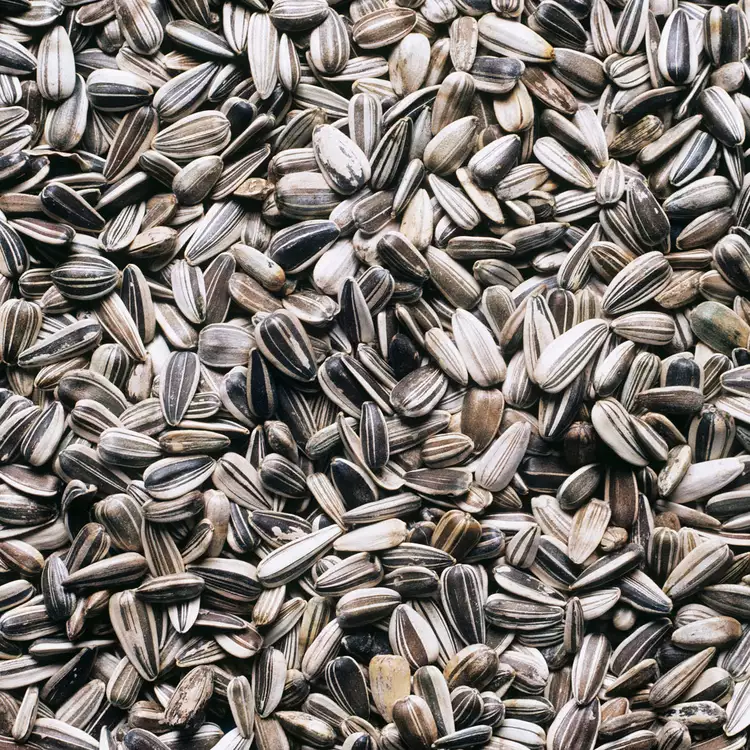
Dehulled sunflower seeds, also known as sunflower kernels, represent a significant processed form of the sunflower ( Helianthus annuus ) seed. Positioned within the agricultural commodity chain between primary sunflower seed production and consumer food products, they serve as a versatile ingredient in confectionary, baking, snack foods, and increasingly, as a source of sunflower oil and protein isolates. Core performance characteristics center around oil content, protein composition, fatty acid profile, moisture content, and the absence of hull material, impacting processing efficiency and final product quality. A critical industry pain point is maintaining consistent kernel size and minimizing the presence of hull fragments, which affect both consumer acceptance and downstream processing costs. Another challenge is preventing rancidity due to the high unsaturated fat content, necessitating careful storage and antioxidant application. Finally, achieving consistently low levels of aflatoxins and other mycotoxins remains a paramount concern for global trade and food safety.
Material Science & Manufacturing
Sunflower kernels are primarily composed of oil (40-50%), protein (20-25%), carbohydrates (15-20%), and fiber (5-10%), with trace amounts of vitamins and minerals. The oil is rich in linoleic acid (an omega-6 fatty acid) and oleic acid (an omega-9 fatty acid), influencing its stability and nutritional value. Proteins are globulins and albumins, key for food applications. Manufacturing begins with sunflower seed harvesting, cleaning, and drying to a moisture content of approximately 9-10%. Dehulling is typically achieved through mechanical means using rubber rollers or impact dehullers. This process necessitates precise calibration to minimize kernel damage. Following dehulling, kernels undergo sorting, grading, and potentially further cleaning to remove residual hull fragments and foreign material. Roasting is a common process to enhance flavor and extend shelf life, carefully controlled to avoid excessive oil migration and maintain nutritional integrity. Parameter control during roasting is crucial, with temperature (120-180°C) and duration (15-60 minutes) directly impacting flavor development, moisture reduction, and lipid oxidation rates. Further processing can include salting, flavoring, or coating for specific product applications. Quality control throughout the process includes regular assessments of oil content, moisture levels, free fatty acid content, and the presence of contaminants.

Performance & Engineering
Performance analysis of sunflower kernels centers on their structural integrity and resistance to degradation during processing and storage. Force analysis during dehulling examines the fracture strength of the hull and kernel, optimizing roller pressure for maximum yield and minimal damage. Environmental resistance focuses on preventing lipid oxidation and moisture absorption. Packaging materials with low oxygen transmission rates (OTR) and moisture vapor transmission rates (WVTR) are essential. Antioxidant coatings, such as vitamin E or rosemary extract, are commonly applied to inhibit rancidity. Compliance requirements include adherence to food safety standards established by organizations like the FDA (US), EFSA (Europe), and national food safety authorities. Functional implementation within food products necessitates understanding the kernel's textural properties, oil release characteristics during chewing, and compatibility with other ingredients. For example, in baking applications, the kernel's oil content influences dough rheology and final product texture. Particle size distribution is also critical; smaller particles provide more uniform flavor distribution, while larger particles contribute to textural complexity. The impact resistance of the kernel during transport and handling is also a key engineering consideration.
Technical Specifications
| Parameter | Unit | Typical Value | Testing Method |
|---|---|---|---|
| Oil Content (Dry Basis) | % | 48-52 | Soxhlet Extraction (AOCS Official Method) |
| Protein Content (Dry Basis) | % | 22-26 | Kjeldahl Method (AOCS Official Method) |
| Moisture Content | % | < 8 | Oven Drying (AACC Method) |
| Free Fatty Acid (FFA) | % as oleic acid | < 0.5 | Titration (AOCS Official Method) |
| Kernel Size (Average Length) | mm | 8-12 | Sieve Analysis |
| Peroxide Value (PV) | meq O2/kg | < 5 | Titration (AOCS Official Method) |
Failure Mode & Maintenance
Sunflower kernels are susceptible to several failure modes. Rancidity, caused by lipid oxidation, is a primary concern, leading to off-flavors and reduced nutritional value. This is accelerated by exposure to oxygen, light, and elevated temperatures. Preventative maintenance includes storing kernels in airtight containers, under nitrogen flushing, and at low temperatures (below 10°C). Physical damage during processing or handling can cause kernel breakage, increasing surface area for oxidation and potentially leading to dust formation. Implementing gentle handling procedures and optimizing equipment settings minimizes this. Another failure mode is moisture absorption, fostering microbial growth (mold, yeast) and increasing the risk of aflatoxin contamination. Maintaining a low moisture content (<8%) and employing appropriate packaging materials are crucial. Aflatoxin contamination is a significant safety concern, requiring rigorous supplier qualification, regular testing, and adherence to established maximum permissible levels. Degradation of protein quality over extended storage periods can also occur, reducing nutritional value. Packaging with oxygen barriers and maintaining low temperatures can slow this process. Finally, insect infestation can lead to significant product loss and contamination, necessitating proper storage facility sanitation and pest control measures. Regular inspection and monitoring are essential for early detection and preventative action.
Industry FAQ
Q: What are the critical factors influencing the shelf life of dehulled sunflower kernels?
A: The primary factors are oil content, moisture content, oxygen exposure, temperature, and the presence of antioxidants. High oil content makes them susceptible to rancidity, accelerated by oxygen and heat. Moisture promotes microbial growth. Effective packaging with oxygen barriers and controlled storage temperatures are crucial for extending shelf life. Adding antioxidants like Vitamin E further enhances stability.
Q: How do you ensure consistent kernel size and minimize hull fragments in the final product?
A: Precise calibration of the dehulling equipment is paramount. This involves optimizing roller pressure, feed rate, and roller gap. Post-dehulling sorting and grading processes, utilizing screens and air classifiers, are essential for removing undersized kernels and residual hull fragments. Regular equipment maintenance and inspection are also critical.
Q: What are the acceptable limits for aflatoxin contamination, and how is it monitored?
A: Acceptable limits vary by country and regulatory body. Generally, the EU sets a limit of 2 ppb for total aflatoxins, while the US FDA has action levels for various commodities. Monitoring involves regular sampling and analysis using methods like HPLC with fluorescence detection. Supplier qualification and traceability are also essential components of an aflatoxin control program.
Q: How does roasting impact the nutritional profile of sunflower kernels?
A: Roasting can slightly reduce levels of certain vitamins, like Vitamin E, due to heat degradation. However, it also improves the bioavailability of some nutrients and enhances flavor. Careful control of roasting temperature and duration is critical to minimize nutrient loss and prevent excessive oil migration. Roasting also inactivates lipoxygenase, an enzyme that contributes to off-flavor development.
Q: What packaging materials are most suitable for long-term storage of dehulled sunflower kernels?
A: Multi-layer films incorporating aluminum foil or metallized polyester provide excellent oxygen and moisture barrier properties. Nitrogen flushing prior to sealing further reduces oxygen levels. The packaging material should also be food-grade and resistant to oil penetration. Consideration should also be given to the package’s resistance to puncture and tearing during handling.
Conclusion
Dehulled sunflower kernels represent a complex agricultural product with critical performance parameters tied to oil content, protein composition, and susceptibility to degradation. Effective manufacturing requires precise control over dehulling, drying, and roasting processes, coupled with rigorous quality control measures. Maintaining product integrity and ensuring food safety necessitates careful attention to storage conditions, packaging materials, and monitoring for contaminants like aflatoxins.
Future trends will likely focus on improving dehulling efficiency to minimize kernel damage, developing novel antioxidant coatings to extend shelf life, and enhancing traceability systems to ensure food safety and origin verification. Research into optimizing the fatty acid profile through breeding programs and exploring new processing techniques for protein isolation will also be crucial for expanding the applications of this versatile ingredient.
