Introduction
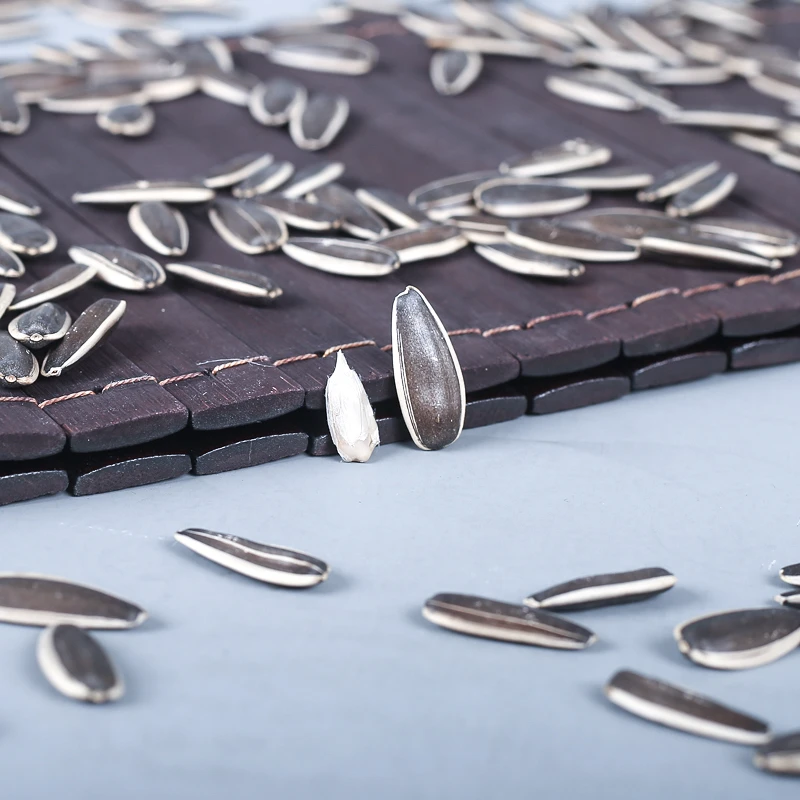
Sunflower seeds without shell, technically termed ‘hulled sunflower seeds’ or ‘sunflower kernels,’ represent a significant segment of the sunflower seed processing industry. Positioned between agricultural production and consumer food products, they serve as a direct nutritional source, ingredient in confectionery, baking, and increasingly, specialized food formulations. Core performance characteristics revolve around oil content, protein levels, fatty acid profiles, and absence of shell fragments – all critical for processing efficiency and end-product quality. The absence of the shell simplifies consumption and expands applications beyond traditional snacking, increasing demand for consistent kernel quality and effective dehulling processes. This guide provides an in-depth technical analysis of hulled sunflower seeds, covering material science, manufacturing, performance, failure modes, and industry standards.
Material Science & Manufacturing
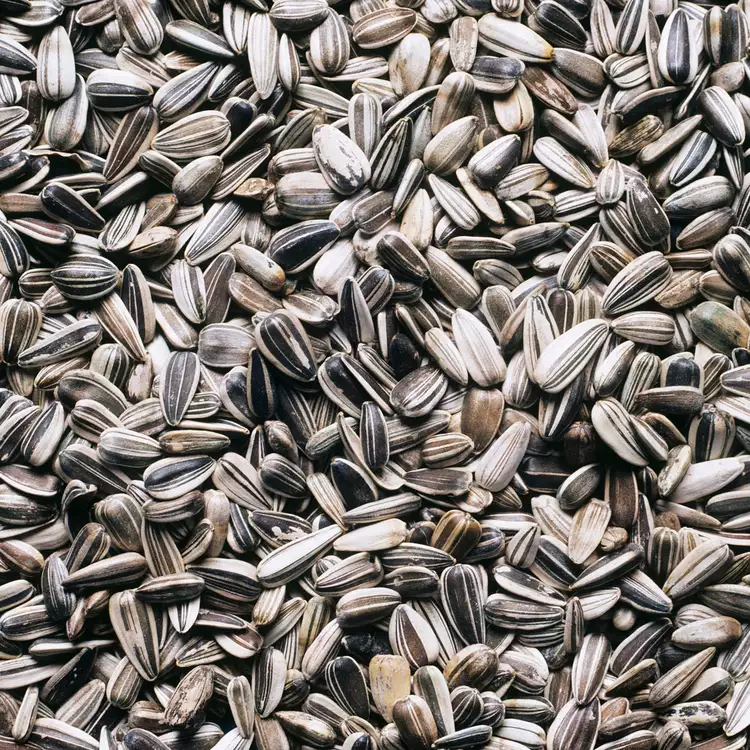
The primary material science considerations for hulled sunflower seeds center on the composition of the kernel itself. Sunflower seeds consist of approximately 30-50% oil, 20-25% protein, 15-20% carbohydrate (primarily fiber), and 5-10% moisture, with the remainder comprising minerals and vitamins. The oil is rich in linoleic acid (an omega-6 fatty acid) and oleic acid (an omega-9 fatty acid), influencing the seed’s oxidative stability and nutritional value. Protein content and amino acid profiles are also crucial for food applications. Manufacturing begins with harvesting mature sunflower heads. The seeds are then dried to a moisture content of approximately 9-10% to facilitate efficient dehulling. Dehulling is the most critical processing step, typically accomplished using impact dehullers, centrifugal dehullers, or a combination of both. Impact dehullers utilize a controlled impact force to fracture the shell, while centrifugal dehullers rely on differential speeds to separate the kernel from the shell. Key parameters during dehulling include impact velocity, feed rate, and clearance between rotating components. Overly aggressive dehulling leads to kernel damage (splits, fractures), while insufficient force results in incomplete shell removal. Following dehulling, seeds undergo cleaning (removal of shell fragments and foreign material), sizing (separation by kernel size), and sorting (removal of discolored or damaged kernels). Final processing may include heat treatment (roasting, steaming) to enhance flavor and extend shelf life, or coating with seasonings.
Performance & Engineering
Performance evaluation of hulled sunflower seeds is multifaceted. Mechanical strength, specifically resistance to cracking and splitting during handling and processing, is crucial. This is directly related to kernel density and moisture content. Force analysis during packaging and transport must account for potential compressive loads. Environmental resistance centers on preventing rancidity caused by oxidation of unsaturated fatty acids. This is addressed through packaging materials with low oxygen transmission rates (OTR) and the addition of antioxidants (e.g., vitamin E). Compliance requirements vary by region but generally include regulations concerning aflatoxin levels (a potent mycotoxin produced by Aspergillus fungi), pesticide residues, and heavy metal contamination. Functional implementation depends on the end application. For direct consumption, palatability (texture, flavor) is paramount. As an ingredient, functionality is determined by oil content, protein digestibility, and compatibility with other components of the formulation. Particle size distribution is also an engineering consideration, particularly in baking applications where uniform distribution is required. The oil absorption capacity of sunflower kernels impacts their performance in emulsified systems.
Technical Specifications
| Parameter | Unit | Typical Value | Test Method |
|---|---|---|---|
| Oil Content (Dry Basis) | % | 40-55 | Soxhlet Extraction (AOCS Official Method) |
| Protein Content (Dry Basis) | % | 18-24 | Kjeldahl Method (AOCS Official Method) |
| Moisture Content | % | 5-10 | Oven Drying Method (AACC Method) |
| Kernel Size (Diameter) | mm | 8-12 | Sieve Analysis |
| Free Fatty Acid (FFA) | % as Oleic Acid | <0.5 | Titration Method (AOCS Official Method) |
| Peroxide Value (PV) | meq O2/kg | <5 | Titration Method (AOCS Official Method) |
Failure Mode & Maintenance
Hulled sunflower seeds are susceptible to several failure modes. Rancidity, resulting from lipid oxidation, is a primary concern. This is accelerated by exposure to oxygen, light, and elevated temperatures. Kernel fractures and splits, often occurring during dehulling or handling, reduce product quality and increase dust formation. Aflatoxin contamination, a biological hazard, can occur during pre-harvest or post-harvest storage if conditions are favorable for Aspergillus growth (high humidity, warm temperatures). Insect infestation also represents a storage failure mode. Maintenance of product quality requires strict adherence to good manufacturing practices (GMPs). Storage facilities must be clean, dry, and well-ventilated. Temperature and humidity control are critical. Packaging materials should provide a barrier to oxygen and moisture. Regular monitoring for aflatoxin levels and insect presence is essential. Antioxidants can be added to retard oxidation. Gentle handling procedures minimize kernel damage. Proper calibration and maintenance of dehulling equipment are also vital to reduce mechanical damage.
Industry FAQ
Q: What is the impact of varying linoleic to oleic acid ratios on shelf life and stability of hulled sunflower seeds?
A: Higher linoleic acid content correlates with a shorter shelf life due to its increased susceptibility to oxidation. Seeds with a higher oleic acid content exhibit greater oxidative stability, reducing the rate of rancidity. Blending different sunflower varieties during processing allows manufacturers to tailor the fatty acid profile to meet specific application requirements.
Q: How does the dehulling process influence the occurrence of lipid oxidation?
A: Mechanical damage during dehulling increases the surface area exposed to oxygen, accelerating lipid oxidation. Micro-fractures within the kernel provide entry points for oxygen and enzymes that catalyze oxidative reactions. Optimizing dehulling parameters to minimize kernel damage is crucial for preserving quality.
Q: What are the most reliable methods for detecting aflatoxin contamination in sunflower kernels?
A: High-Performance Liquid Chromatography (HPLC) with fluorescence detection is the most commonly used and reliable method for quantifying aflatoxins. Enzyme-Linked Immunosorbent Assay (ELISA) provides a rapid screening method, but may have lower accuracy. Regular testing by accredited laboratories is essential to ensure compliance with regulatory limits.
Q: What packaging materials are best suited to extend the shelf life of hulled sunflower seeds?
A: Multi-layer packaging films incorporating a metallic layer (e.g., aluminum foil) and a polyethylene or polypropylene layer provide an excellent barrier to oxygen, moisture, and light. Vacuum packaging or modified atmosphere packaging (MAP) with nitrogen flushing further reduces oxygen exposure. The thickness and composition of the packaging material are critical considerations.
Q: What are the typical tolerances for shell fragments in hulled sunflower seeds destined for confectionery applications?
A: Confectionery applications typically require extremely low levels of shell fragments, generally less than 0.1% by weight. High-precision sorting equipment, utilizing optical sensors and air jets, is employed to remove residual shell fragments. Stringent quality control procedures are essential to meet these specifications.
Conclusion
Hulled sunflower seeds represent a complex system where material science, manufacturing processes, and storage conditions interact to determine product quality and shelf life. Achieving optimal performance requires meticulous control over each stage of the supply chain, from seed selection and dehulling to packaging and storage. Understanding the chemical composition, particularly the fatty acid profile, and the potential failure modes related to oxidation and contamination is crucial for maintaining product integrity.
Future trends will likely focus on developing sunflower varieties with higher oleic acid content for improved stability, optimizing dehulling technologies to minimize kernel damage, and implementing more sophisticated packaging solutions with enhanced barrier properties. The growing demand for natural and healthy food ingredients will continue to drive innovation in the hulled sunflower seed industry, necessitating ongoing research and development in processing techniques and quality control measures.
