Introduction
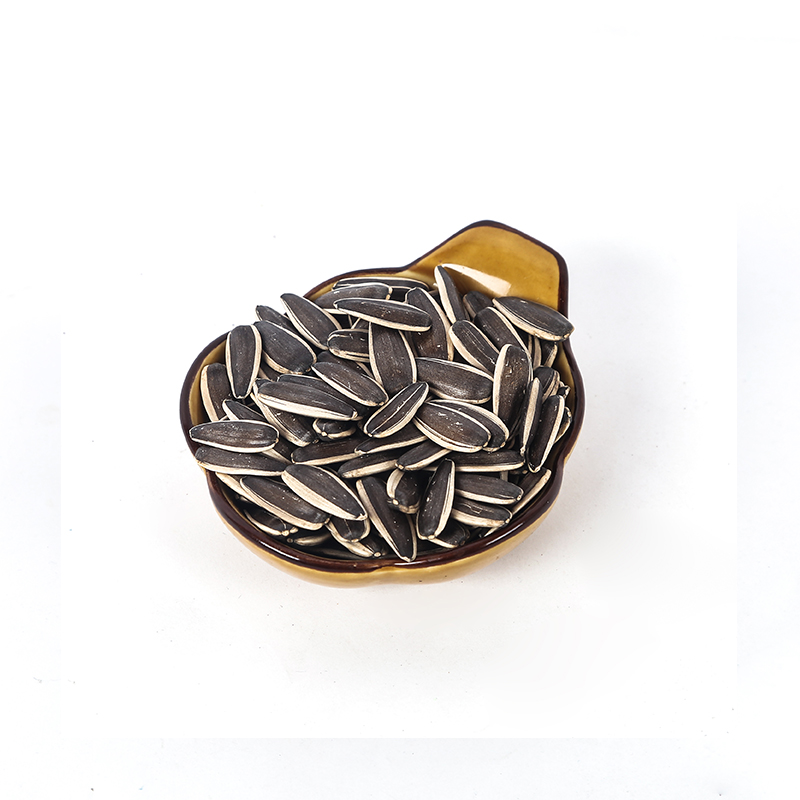
Sunflower seeds with shell ( Helianthus annuus) represent a significant agricultural commodity and snack food component. Positioned within the broader oilseed processing industry, these seeds serve both as a direct consumption product and a source material for oil extraction. The primary performance characteristics of sunflower seeds with shell relevant to industrial applications and consumer acceptance are kernel yield, oil content, shell strength, and overall seed quality, encompassing factors like moisture content and absence of defects. The consistent supply chain and relatively low processing complexity contribute to its widespread availability, yet maintaining kernel integrity during shelling and storage remains a key challenge for producers and processors. This guide details the material science, manufacturing processes, performance characteristics, failure modes, and relevant standards associated with sunflower seeds with shell.
Material Science & Manufacturing
The primary constituents of sunflower seeds with shell are carbohydrates, proteins, lipids (primarily unsaturated fatty acids like linoleic and oleic acid), fiber (primarily in the shell), and moisture. The kernel, representing the edible portion, boasts a complex lipid profile critical to its nutritional value. The shell itself is comprised largely of cellulose, hemicellulose, and lignin, providing structural integrity. Manufacturing commences with agricultural cultivation, heavily influenced by genotype, soil composition, and climate. Harvesting techniques (mechanical vs. manual) impact seed damage. Post-harvest processing involves cleaning, drying (to approximately 8-10% moisture content to inhibit mold growth and enzymatic activity), dehulling (separation of the kernel from the shell – a crucial parameter impacting yield and kernel damage), grading (based on size and quality), and finally, packaging. Dehulling is typically achieved through impact or friction methods. Careful control of impact force and friction surface roughness minimizes kernel breakage. Shell strength varies significantly with seed variety, impacting dehulling efficiency. Lipid oxidation during processing and storage is a major concern. Antioxidants are frequently employed to extend shelf life. The lipid content can be measured via Soxhlet extraction or near-infrared spectroscopy. Fiber composition within the shell is analyzed using standard acid detergent fiber (ADF) and neutral detergent fiber (NDF) methods.

Performance & Engineering
The structural integrity of the shell is critical for protecting the kernel during handling, transportation, and storage. Shell strength is measured using fracture toughness testing and impact resistance assessments, often expressed in Joules. Force analysis during dehulling operations identifies optimal impact or friction parameters to maximize kernel recovery and minimize damage. Environmental resistance is paramount, specifically moisture permeability and susceptibility to fungal growth. Water activity (aw) is a key metric – maintaining a low aw value (<0.6) inhibits microbial proliferation. Packaging materials (typically polymeric films) must provide an adequate moisture barrier. Storage conditions (temperature and humidity) are meticulously controlled to prevent rancidity and preserve oil quality. Compliance requirements vary by region but generally encompass food safety standards (e.g., HACCP) and labeling regulations. Kernel density impacts settling behavior in processing equipment; optimizing kernel flow requires analysis of particle size distribution and bulk density. The shell’s thermal properties are important in roasting processes; heat transfer rates influence the development of characteristic flavor profiles. Finite element analysis can be employed to model stress distribution within the kernel during shelling operations, optimizing machine design.
Technical Specifications
| Characteristic | Unit | Typical Range (Standard Cultivars) | High-Yield/Oil Cultivars |
|---|---|---|---|
| Kernel Moisture Content | % | 8-12 | 7-10 |
| Oil Content (Kernel) | % | 40-50 | 50-60 |
| Shell Percentage (of Total Seed Weight) | % | 20-40 | 15-30 |
| Kernel Hardness | N | 50-100 | 70-150 |
| Shell Fracture Toughness | MPa√m | 1.5-3.0 | 2.0-4.0 |
| Water Activity (aw) | - | <0.6 | <0.5 |
Failure Mode & Maintenance
Common failure modes in sunflower seeds with shell include kernel breakage during dehulling, shell cracking during handling, lipid oxidation leading to rancidity, and microbial contamination resulting in spoilage. Kernel breakage is often caused by excessive impact force or improper machine settings. Shell cracking can occur due to impact, compression, or inherent weaknesses in the shell structure. Lipid oxidation is accelerated by exposure to oxygen, light, and elevated temperatures. Preventative maintenance of shelling equipment (regular inspection of impact surfaces, calibration of force sensors) is crucial. Implementing nitrogen flushing during packaging reduces oxygen levels and slows oxidation. Proper storage conditions (cool, dry, dark) are essential. Regular monitoring of moisture content and aw values is recommended. Fungal contamination can be mitigated through careful drying, proper storage sanitation, and the use of antifungal treatments (where permitted by regulations). Shelf life can be extended by employing antioxidant additives (e.g., tocopherols) and modified atmosphere packaging. Failure analysis involves examining broken kernels and cracked shells under a microscope to identify the root cause of the damage.
Industry FAQ
Q: What is the primary driver of variability in shell strength among different sunflower varieties?
A: Genetic factors are the predominant driver of variability in shell strength. Different cultivars have been bred for varying shell characteristics, influenced by selection pressures related to dehulling efficiency and kernel protection. Environmental factors, such as growing conditions (water availability, nutrient levels), also play a role, but to a lesser extent than genetics.
Q: How does moisture content affect the susceptibility of sunflower seeds to fungal contamination?
A: Higher moisture content directly correlates with increased susceptibility to fungal contamination. Most fungi require a water activity (aw) above 0.6 for growth. Maintaining a low moisture content (typically below 8-10%) and aw value significantly inhibits fungal proliferation and prevents spoilage.
Q: What are the key considerations when selecting packaging materials for sunflower seeds with shell?
A: Key considerations include moisture barrier properties (to prevent moisture uptake and maintain low aw), oxygen barrier properties (to inhibit lipid oxidation), mechanical strength (to withstand handling and transportation), and compliance with food contact regulations. Polymeric films such as polyethylene (PE), polypropylene (PP), and multilayer laminates are commonly used.
Q: How is oil quality assessed in sunflower seeds, and what are the critical parameters measured?
A: Oil quality is assessed through several parameters, including free fatty acid content (FFA), peroxide value (PV – an indicator of oxidation), iodine value (a measure of unsaturation), and fatty acid profile (the relative proportions of different fatty acids). Gas chromatography is a common technique used to determine the fatty acid profile.
Q: What are the best practices for preventative maintenance on industrial sunflower seed dehulling equipment?
A: Preventative maintenance should include regular inspection of impact surfaces for wear and tear, calibration of force sensors, lubrication of moving parts, cleaning of debris buildup, and prompt replacement of worn components. Adherence to the manufacturer’s recommended maintenance schedule is crucial for ensuring optimal performance and minimizing downtime.
Conclusion
Sunflower seeds with shell represent a complex agricultural product with demanding technical requirements throughout the supply chain. Optimizing performance necessitates a thorough understanding of material science principles, manufacturing processes, and environmental interactions. Maintaining kernel integrity, preventing lipid oxidation, and mitigating microbial contamination are paramount to delivering a high-quality product.
Future advancements will likely focus on breeding sunflower varieties with improved shell strength and oil content, developing more efficient and gentle dehulling technologies, and implementing advanced packaging solutions to enhance shelf life and preserve nutritional value. Continued research into antioxidant strategies and microbial control methods is also essential.
