Introduction
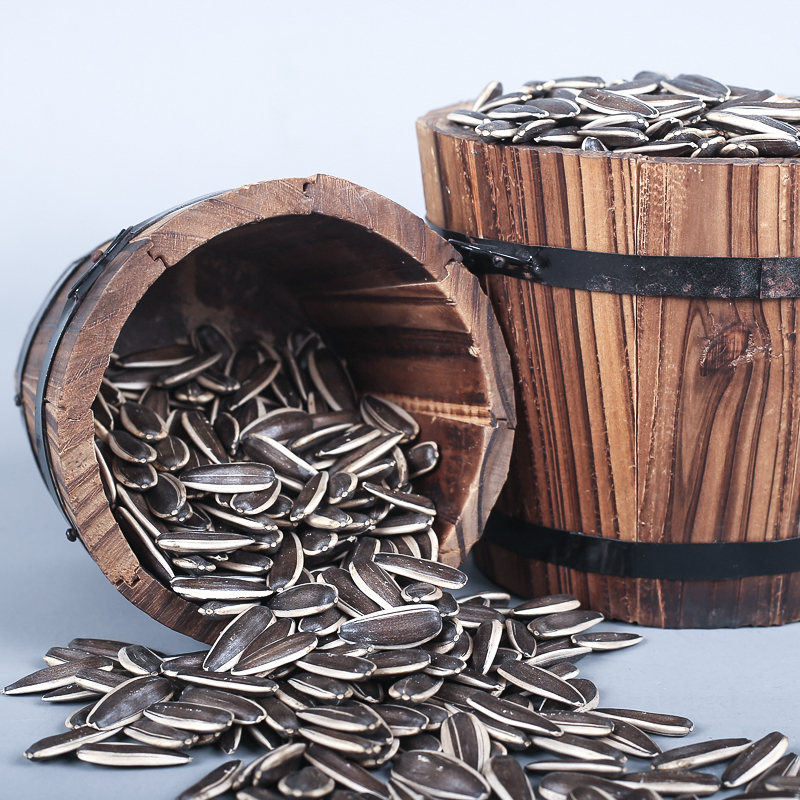
Sunflower seeds with shell, Helianthus annuus, represent a significant segment of the snack food industry, positioned between commodity agricultural products and value-added processed foods. These seeds, enclosed in a protective pericarp (shell), are consumed directly as a snack, often roasted and seasoned. Their technical position within the food chain involves harvesting, drying, dehulling (though maintained in this case), grading, roasting, seasoning, and packaging. Core performance characteristics revolve around kernel integrity, oil content, shell robustness, flavor profile, and absence of contaminants. The inherent protective shell contributes significantly to seed longevity and provides a tactile experience valued by consumers. Key industry pain points include maintaining consistent kernel quality despite variations in growing conditions, minimizing acrylamide formation during roasting, controlling shell fragmentation during processing and consumption, and ensuring compliance with food safety regulations concerning aflatoxins and pesticide residues.
Material Science & Manufacturing
Sunflower seeds comprise primarily three components: the kernel (cotyledon), the shell (pericarp), and the hull. The kernel is rich in lipids (40-50% oil content, predominantly linoleic acid), proteins (20-25%), carbohydrates (15-20%), and fiber. The shell consists largely of cellulose, hemicellulose, and lignin, providing structural rigidity. Manufacturing begins with seed selection, prioritizing varieties with high kernel-to-shell ratios and desirable oil profiles. Drying is critical, reducing moisture content from approximately 30% to 8-10% to inhibit mold growth and facilitate roasting. Roasting, typically conducted at 120-160°C, develops flavor through Maillard reactions and caramelization. Parameter control during roasting is paramount to minimize acrylamide formation, a potential carcinogen. Seasoning involves applying salt, flavorings, and coatings. Shell integrity is a key consideration – excessive fragility leads to fragmentation, while excessive robustness can hinder consumption. Seed grading relies on size, weight, and visual inspection to ensure uniformity. Chemical compatibility of seasonings with the seed oil is vital to prevent rancidity. The manufacturing process must also adhere to stringent hygiene standards to prevent contamination.
Performance & Engineering
Performance characteristics of sunflower seeds with shell are governed by a combination of material properties and process engineering. Shell fracture toughness is a critical parameter, determining resistance to cracking during handling and consumption. Force analysis demonstrates that compressive forces are concentrated at shell imperfections, initiating failure. Environmental resistance relates to moisture absorption and oxidation. High humidity can lead to softening of the shell and rancidity of the oil. Packaging plays a crucial role in mitigating these effects. Compliance requirements encompass food safety standards (e.g., FDA, EFSA), pesticide residue limits (established by Codex Alimentarius), and labeling regulations. Functional implementation focuses on optimizing the roasting process to maximize flavor development while minimizing acrylamide formation. This involves controlling roasting time, temperature, and oxygen levels. Furthermore, packaging materials must provide adequate barrier properties (oxygen and moisture) to maintain product quality and shelf life. Shelf-life studies are conducted under accelerated conditions to predict product stability over time.
Technical Specifications
| Parameter | Unit | Typical Value | Testing Method |
|---|---|---|---|
| Kernel Moisture Content | % | 8-10 | Oven Drying (AOAC) |
| Oil Content (Kernel) | % | 45-55 | Soxhlet Extraction (AOCS) |
| Shell Moisture Content | % | 6-8 | Oven Drying (AOAC) |
| Shell Fracture Toughness | MPa | 2.5-4.0 | Impact Testing (ASTM D256) |
| Peroxide Value (Oil) | meq O2/kg | <5 | Titration (AOCS Cd 8-53) |
| Aflatoxin B1 Level | µg/kg | <2 | HPLC (AOAC) |
Failure Mode & Maintenance
Sunflower seeds with shell are susceptible to several failure modes. Shell fragmentation occurs due to mechanical stress during handling, transportation, or consumption. This can be exacerbated by low shell moisture content or pre-existing microcracks. Kernel rancidity results from oxidation of unsaturated fatty acids in the oil, accelerated by exposure to oxygen, light, and elevated temperatures. Aflatoxin contamination is a serious concern, stemming from fungal growth during pre-harvest or storage conditions. Acrylamide formation occurs during roasting at high temperatures. Maintenance, in the context of product quality, centers on proper storage conditions: cool, dry, and dark. Packaging should employ barrier materials to minimize oxygen and moisture ingress. Regular monitoring of peroxide value and aflatoxin levels is essential. Implementing effective pest control measures during storage prevents fungal growth. Controlling roasting parameters – temperature, time, and oxygen levels – minimizes acrylamide formation. For consumers, proper handling avoids shell damage and preserves product freshness.
Industry FAQ
Q: What are the primary factors influencing shell fracture toughness?
A: Shell fracture toughness is influenced by several factors, including seed variety, moisture content, and the presence of defects. Lower moisture content generally leads to increased brittleness and reduced toughness. Seed varieties with thicker shells and a more complex microstructure exhibit higher fracture toughness. The presence of microcracks or imperfections significantly weakens the shell, initiating failure under stress.
Q: How can acrylamide formation during roasting be minimized?
A: Acrylamide formation can be minimized by carefully controlling roasting parameters. Reducing roasting temperature and time, lowering oxygen levels, and adding reducing sugars can all significantly reduce acrylamide levels. Utilizing advanced roasting technologies that ensure more uniform heat distribution also helps mitigate acrylamide formation.
Q: What is the acceptable level of aflatoxin contamination, and how is it monitored?
A: Regulatory bodies, such as the FDA and EFSA, set maximum permissible levels for aflatoxin contamination. Typically, this is <2 µg/kg for sunflower seeds. Monitoring is conducted using High-Performance Liquid Chromatography (HPLC) to detect and quantify aflatoxin B1 levels. Regular testing of raw materials and finished products is crucial to ensure compliance.
Q: How does packaging impact the shelf life of roasted sunflower seeds?
A: Packaging plays a critical role in extending shelf life. Materials with low oxygen and moisture permeability are essential to prevent rancidity and maintain product freshness. Metallized films or multi-layer structures incorporating barrier layers are commonly used. Vacuum packaging or modified atmosphere packaging (MAP) further enhances shelf life by removing oxygen.
Q: What are the key considerations when selecting sunflower seed varieties for roasting?
A: Key considerations include oil content, kernel size, shell thickness, and flavor profile. Varieties with high oil content yield a richer flavor and texture. Larger kernels are generally preferred for consumer appeal. Thicker shells provide better protection during processing and handling. The inherent flavor profile of the variety influences the final taste of the roasted seeds.
Conclusion
Sunflower seeds with shell for eating represent a complex interplay of agricultural science, food processing engineering, and material science. Maintaining consistent kernel quality, optimizing the roasting process for flavor and safety, and ensuring adequate shell robustness are central challenges for manufacturers. The control of moisture content, careful selection of seed varieties, and utilization of appropriate packaging materials are crucial for preserving product quality and extending shelf life.
Future developments may focus on breeding programs to enhance shell fracture toughness and reduce acrylamide precursors, alongside advancements in packaging technologies that provide even greater barrier properties and extended shelf life. Continued research into methods for minimizing aflatoxin contamination and optimizing roasting parameters will be essential to ensure the safety and quality of this widely consumed snack food.
