Introduction
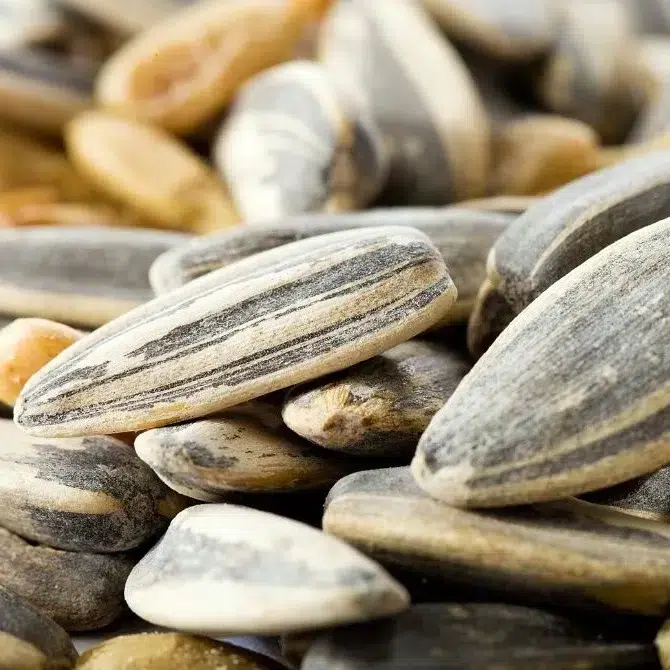
Sunflower seeds, specifically those conforming to Whole30 guidelines, represent a niche yet significant segment within the snack food and dietary compliance industries. Unlike conventionally processed seeds, Whole30-compliant sunflower seeds are strictly limited to seeds in their natural state – raw, dry-roasted (without added oils or sugars), or lightly salted with Whole30-approved salt. Their position in the supply chain extends from agricultural production to processing, packaging, and ultimately, direct consumption by health-conscious individuals adhering to the Whole30 elimination diet. Core performance characteristics center on nutritional density, specifically the lipid profile (oleic and linoleic acid content), protein bioavailability, and mineral composition (magnesium, selenium, Vitamin E). The crucial aspect lies in the absence of additives, coatings, and processing techniques that would disqualify them from Whole30 compliance. This guide will delve into the material science of sunflower seeds, the manufacturing processes influencing their Whole30 suitability, performance considerations, potential failure modes, and frequently asked questions for procurement and quality control.
Material Science & Manufacturing
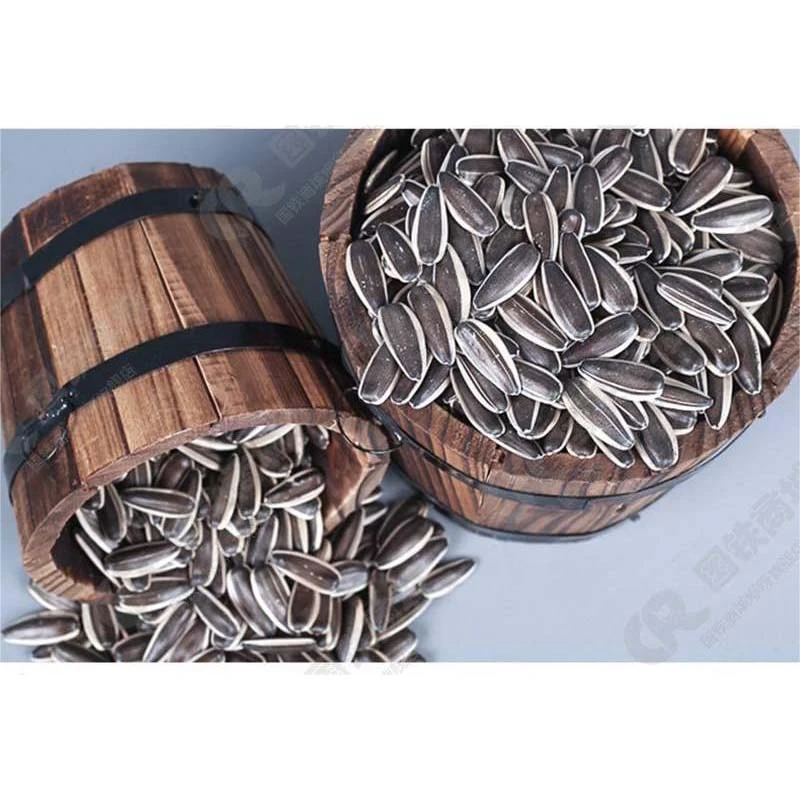
Sunflower seeds (Helianthus annuus) comprise a pericarp (hull), kernel (cotyledon), and embryo. The kernel constitutes approximately 65-80% of the total seed weight and is the primary source of nutritional value. Chemically, the kernel is rich in lipids (40-50% by weight), primarily polyunsaturated fatty acids (PUFAs) – linoleic acid (omega-6) and oleic acid (omega-9). Protein content ranges from 20-25%, with significant amounts of arginine, tryptophan, and cysteine. The hull is largely composed of cellulose and lignin, providing structural integrity. Manufacturing for Whole30 compliance necessitates minimal processing. Harvesting typically involves mechanical threshing, followed by drying to a moisture content of approximately 8-10% to inhibit mold growth and enzymatic activity. Crucially, Whole30 regulations preclude the use of refined vegetable oils during roasting. Dry roasting, employing controlled temperature and airflow (typically 200-250°F for 20-30 minutes), is permissible. Salting, if employed, must utilize a Whole30-approved salt (e.g., sea salt without additives). Parameter control focuses on temperature uniformity during roasting to prevent lipid oxidation and rancidity, and consistent moisture content to maintain structural integrity. Seed variety (confectionary vs. oilseed) influences kernel size, lipid content, and hull thickness. Confectionary varieties, with larger kernels and thinner hulls, are preferred for direct consumption. Contamination with other seeds or additives during processing must be rigorously avoided. The impact of storage conditions, particularly temperature and humidity, on lipid stability and seed viability is paramount.
Performance & Engineering
The engineering considerations for sunflower seeds intended for Whole30 consumption center on maintaining nutritional integrity and physical characteristics during processing, packaging, and distribution. Force analysis relates to hull strength during dehulling (if applicable) and kernel resistance to cracking during handling. While Whole30 seeds are typically consumed whole, hulling processes require precise force control to minimize kernel damage. Environmental resistance focuses on maintaining lipid stability against oxidation, particularly during storage and transportation. Packaging materials must provide a robust barrier against oxygen, moisture, and light. Vacuum packaging or nitrogen flushing can extend shelf life by reducing oxygen exposure. Compliance requirements extend beyond Whole30 guidelines to include food safety standards (HACCP), allergen control, and traceability. Functional implementation involves ensuring consistent seed size and shape for automated packaging equipment. The moisture content is crucial for preventing clumping and maintaining flowability during packaging. Rancidity development is a primary concern; monitoring peroxide value (PV) and acid value (AV) is essential to assess lipid oxidation levels. Furthermore, heavy metal content (lead, cadmium, arsenic) must be within permissible limits as per regulatory standards. The shear strength of the kernel also dictates its resistance to breakage during shipping and handling. Maintaining a consistent bulk density is also important for efficient packaging and shipping.
Technical Specifications
| Parameter | Unit | Specification (Whole30 Compliant) | Typical Range (Commercial Grade) |
|---|---|---|---|
| Moisture Content | % | ≤ 8.0% | 8.0 – 12.0% |
| Lipid Content | % (Dry Basis) | 40 – 50% | 38 – 55% |
| Linoleic Acid (Omega-6) | % of Total Lipids | 50 – 65% | 45 – 70% |
| Oleic Acid (Omega-9) | % of Total Lipids | 20 – 40% | 15 – 45% |
| Protein Content | % (Dry Basis) | 20 – 25% | 18 – 28% |
| Peroxide Value (PV) | meq O₂/kg | ≤ 5.0 | < 10.0 |
Failure Mode & Maintenance
Sunflower seeds, even those adhering to Whole30 guidelines, are susceptible to several failure modes. Rancidity, caused by lipid oxidation, is a primary concern, resulting in off-flavors and reduced nutritional value. This is accelerated by exposure to oxygen, light, heat, and metal ions. Physical damage (cracking, chipping) during handling and processing reduces visual appeal and can accelerate lipid oxidation. Hulling-related damage, if applicable, can expose the kernel to environmental factors. Microbiological contamination, while less common in dry seeds, can occur due to inadequate drying or storage conditions. Moisture absorption can lead to mold growth and mycotoxin production. Maintenance involves proper storage in airtight containers, away from light and heat. Regular monitoring of peroxide value and acid value is crucial to detect rancidity. Implementing a First-In, First-Out (FIFO) inventory management system minimizes storage duration. Packaging materials should provide a robust barrier against oxygen and moisture. Preventive maintenance of processing equipment (e.g., roasters, packaging machines) minimizes physical damage. Quality control procedures should include visual inspection for damage and periodic laboratory testing for lipid oxidation and microbiological contamination. For large-scale storage, controlled atmosphere storage (nitrogen flushing) can significantly extend shelf life.
Industry FAQ
Q: What differentiates Whole30-compliant sunflower seeds from conventional roasted and salted seeds?
A: The key difference lies in the permissible ingredients and processing methods. Whole30 compliance mandates the absence of added sugars, refined vegetable oils, and non-Whole30 approved additives. Conventional roasted seeds often utilize refined oils for roasting and may contain sugar or artificial flavorings. The salt used must also be a Whole30-approved variety (e.g., sea salt without additives).
Q: How does the sunflower seed variety impact Whole30 compliance and product quality?
A: Confectionary varieties, with larger kernels and thinner hulls, are generally preferred. They require less processing and offer a better eating experience. However, the variety itself doesn't directly impact compliance, as long as the processing adheres to Whole30 guidelines. The oil content and fatty acid profile can vary, impacting the nutritional value.
Q: What are the critical control points in the manufacturing process to ensure Whole30 compliance?
A: The critical control points include sourcing of seeds (ensuring no pre-treatment with non-compliant substances), roasting temperature and time control (preventing oil degradation), salt selection (Whole30-approved only), and prevention of cross-contamination with non-compliant ingredients during processing and packaging.
Q: What testing protocols are recommended to verify Whole30 compliance and quality?
A: Testing should include verification of ingredient declarations, peroxide value (PV) and acid value (AV) to assess lipid oxidation, moisture content analysis, and, if applicable, allergen testing. Third-party verification of Whole30 compliance is highly recommended.
Q: How does packaging impact the shelf life and Whole30 compliance of sunflower seeds?
A: Packaging must provide a robust barrier against oxygen, moisture, and light. Vacuum packaging or nitrogen flushing are recommended to extend shelf life by minimizing lipid oxidation. The packaging material itself must be free of BPA and other non-Whole30 compliant substances.
Conclusion
Sunflower seeds marketed as Whole30-compliant necessitate a meticulous approach to sourcing, processing, and packaging. The preservation of the seed’s natural composition, free from prohibited additives and processed oils, is paramount. Maintaining lipid stability through controlled roasting, appropriate packaging, and diligent storage practices are critical for delivering a product that meets both the dietary requirements of the Whole30 program and consumer expectations for quality and freshness.
Future developments may involve optimized roasting techniques to enhance flavor and nutrient bioavailability while minimizing lipid oxidation, as well as innovative packaging solutions incorporating active oxygen scavengers. Emphasis on traceability and third-party certification will further bolster consumer confidence and ensure the ongoing integrity of Whole30-compliant sunflower seeds in the marketplace.
