Introduction
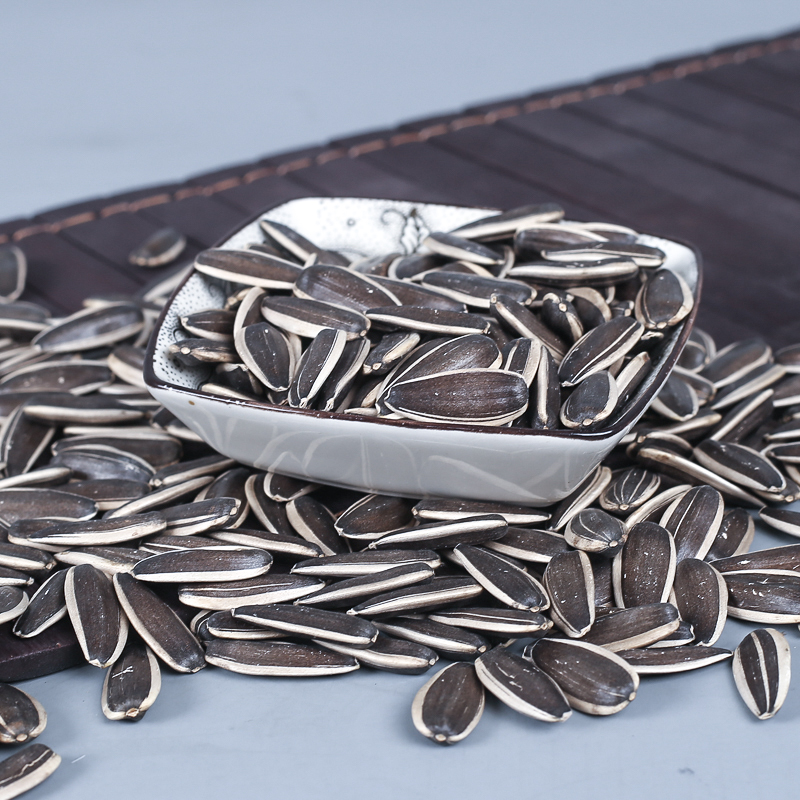
Sunflower seeds, particularly those deemed “Whole30 compliant,” represent a specific subset within the broader Helianthus annuus seed market. These seeds are selected and processed to meet the stringent dietary requirements of the Whole30 program, an elimination diet designed to identify food sensitivities and promote improved health. Their technical position within the food supply chain is as a minimally processed snack or ingredient, positioned between agricultural production and final consumer product formulation. Core performance characteristics, from a Whole30 perspective, center on complete adherence to program rules – meaning no added sugars, grains, legumes, dairy, or artificial additives. Beyond this, relevant technical performance includes oil content, protein composition, hull integrity, and the absence of mycotoxins. Understanding these factors is crucial for manufacturers, distributors, and consumers seeking a compliant and high-quality product. The industry faces ongoing challenges regarding consistent sourcing, accurate labeling, and mitigating potential allergen cross-contamination.
Material Science & Manufacturing
The primary raw material, Helianthus annuus seeds, exhibit significant variability in composition based on cultivar, growing conditions, and harvesting practices. The seed consists of a hull (pericarp), kernel (cotyledon), and embryo. The hull, composed primarily of cellulose and lignin, contributes to fiber content and structural integrity. The kernel, approximately 40-50% oil by weight, contains triglycerides composed of linoleic, oleic, and palmitic acids. Protein content typically ranges from 20-25%, with amino acids critical for human nutrition. Manufacturing processes start with harvesting and drying to reduce moisture content (typically <10%) for safe storage and prevent fungal growth. Hulling, a mechanical process utilizing impact or friction, separates the kernel from the hull. This stage requires precise control of impact force and abrasion to minimize kernel damage and maintain acceptable yields. Subsequent grading and sorting processes remove broken kernels, foreign material, and discolored seeds. Whole30 compliance necessitates careful sourcing to exclude seeds treated with prohibited substances during cultivation or post-harvest handling. Packaging utilizes materials ensuring barrier protection against oxygen and moisture to preserve oil quality and prevent rancidity. Key parameter control includes seed moisture content, oil acidity (to assess freshness), and peroxide value (to monitor oxidation levels).
Performance & Engineering
Performance considerations for Whole30 sunflower seeds extend beyond nutritional value to encompass structural integrity and resistance to degradation. The hull’s tensile strength is critical for resisting cracking during processing and handling. Oil stability, measured by oxidative stability index (OSI), determines shelf life and resistance to rancidity. Force analysis during hulling determines optimal operating parameters to minimize kernel damage. Environmental resistance is primarily focused on moisture control; excess moisture promotes mold growth and mycotoxin production (aflatoxins, ochratoxins). Compliance requirements are rigorous, demanding full traceability of ingredients and adherence to the Whole30 Approved Foods list. Functional implementation relates to snack food applications; the seeds’ texture (crunchiness) and flavor profile are key sensory attributes. The seeds’ ability to withstand the shear forces involved in packaging and transportation without generating excessive fines (broken pieces) is also an engineering consideration. Lipid peroxidation, induced by light and oxygen, leads to flavor deterioration and the formation of harmful compounds, necessitating the use of opaque packaging and antioxidant strategies.
Technical Specifications
| Parameter | Unit | Specification (Whole30 Compliant) | Test Method |
|---|---|---|---|
| Oil Content | % (dry weight basis) | 40 – 55 | AOAC 983.23 |
| Protein Content | % (dry weight basis) | 20 – 28 | AOAC 978.18 |
| Moisture Content | % | < 10 | AOAC 925.10 |
| Peroxide Value | meq O2/kg | < 5 | AOAC 965.33 |
| Acid Value | mg KOH/g | < 0.5 | AOAC 947.05 |
| Aflatoxin B1 | ppb | < 2 | ELISA |
Failure Mode & Maintenance
Sunflower seeds, while relatively stable, are susceptible to several failure modes. Rancidity, caused by lipid oxidation, is a primary concern, leading to off-flavors and reduced nutritional value. This is accelerated by exposure to oxygen, light, and elevated temperatures. Kernel cracking during processing or handling reduces quality and increases fines. Moisture absorption leads to mold growth and mycotoxin contamination, rendering the product unsafe for consumption. Hulling damage can result in the introduction of pathogens. Delamination of the kernel from the hull, although rare, can occur due to improper drying or excessive handling. Maintenance involves stringent quality control throughout the supply chain. Proper storage conditions (cool, dry, dark) are essential. Regular monitoring of oil quality parameters (peroxide value, acid value) is crucial. Implementation of Hazard Analysis and Critical Control Points (HACCP) plans to mitigate mycotoxin risk is paramount. Proper sanitation practices in processing facilities prevent microbial contamination. Preventative maintenance of hulling and sorting equipment minimizes kernel damage.
Industry FAQ
Q: What differentiates Whole30 compliant sunflower seeds from standard sunflower seeds?
A: The primary difference lies in the strict adherence to the Whole30 program's rules. Whole30 compliant seeds cannot contain any added sugars, grains, legumes, dairy, carrageenan, MSG, sulfites, or artificial flavors/colors. Standard sunflower seeds may include these additives, particularly in flavored varieties. Sourcing and processing also differ; Whole30 seeds require full traceability and assurance of compliance at every stage.
Q: How is mycotoxin contamination prevented in sunflower seed production?
A: Prevention relies on several factors: selecting cultivars with inherent resistance to fungal growth, proper drying of seeds post-harvest to reduce moisture content, regular monitoring for mycotoxins (aflatoxins and ochratoxins) during storage, and implementing strict sanitation protocols in processing facilities. HACCP plans are crucial for identifying and controlling critical control points.
Q: What is the impact of hulling on the quality and shelf life of sunflower seeds?
A: Hulling, if not carefully controlled, can cause kernel damage, increasing susceptibility to oxidation and reducing shelf life. Proper hulling minimizes broken kernels and maintains the integrity of the seed coat, which provides a natural barrier against moisture and oxygen. Gentle hulling processes are preferred.
Q: How is oil stability measured and maintained in sunflower seeds?
A: Oil stability is typically measured by the Oxidative Stability Index (OSI), which indicates the time it takes for the oil to reach a defined level of oxidation. Maintaining stability involves using high-quality seeds with inherent antioxidant properties, minimizing exposure to oxygen, light, and heat during processing and storage, and potentially adding natural antioxidants (e.g., vitamin E) if permitted by Whole30 rules.
Q: What role does packaging play in preserving the quality of Whole30 sunflower seeds?
A: Packaging is critical. It must provide a barrier against oxygen, moisture, and light. Opaque, airtight packaging is essential to prevent rancidity and maintain flavor. Materials should be food-grade and not leach harmful substances into the seeds. Modified atmosphere packaging (MAP), using nitrogen flushing, can further extend shelf life by reducing oxygen levels.
Conclusion
Sunflower seeds adhering to Whole30 principles represent a carefully controlled segment of the broader seed market, demanding strict attention to sourcing, processing, and storage. Their technical performance is defined not only by nutritional composition but also by physical characteristics like oil stability, hull integrity, and freedom from contaminants. Maintaining Whole30 compliance necessitates a comprehensive understanding of material science, manufacturing processes, and relevant quality control measures.
The future of Whole30 compliant sunflower seeds likely involves advancements in breeding programs to enhance oil stability and resistance to fungal pathogens, as well as innovations in packaging technology to extend shelf life and preserve freshness. Continued investment in analytical methods for rapid and accurate mycotoxin detection will be crucial for ensuring product safety and consumer confidence. Transparency and traceability throughout the supply chain will remain paramount to meet the evolving demands of health-conscious consumers.
