Introduction
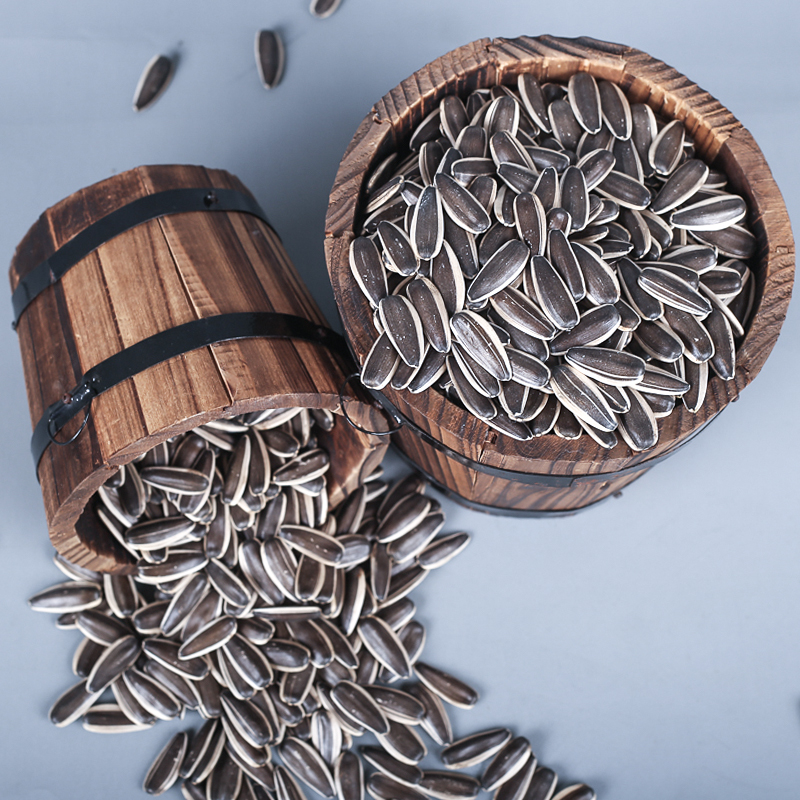
Sunflower seeds white represent a significant segment of the global snack food and oilseed market. These seeds, derived from the Helianthus annuus plant, are valued for their nutritional profile, portability, and versatility. They occupy a specific niche characterized by a preference for a mild, nutty flavor and ease of consumption without the shell. Technically, the "white" designation refers to the hull-less variety, possessing a significantly thinner pericarp compared to traditional black oilseed sunflower varieties. Their position in the agricultural supply chain follows cultivation, harvesting, dehulling (for white varieties), drying, grading, and ultimately, packaging for consumer or industrial use. Core performance characteristics include oil content (typically 40-50% by weight), protein content (around 20-25%), and fatty acid profile (rich in linoleic acid). This guide provides an in-depth analysis of the material science, manufacturing processes, performance considerations, potential failure modes, and relevant industry standards pertaining to sunflower seeds white.
Material Science & Manufacturing
The primary raw material, sunflower seeds, consists of several key components: the kernel (cotyledon), the hull (pericarp), and the embryo. The kernel is rich in lipids, proteins, carbohydrates, and bioactive compounds like vitamin E and phytosterols. The hull, primarily cellulose and lignin, provides physical protection. For white sunflower seeds, the manufacturing process begins with selecting cultivars bred for hull-less traits, often achieved through selective breeding. Post-harvest, seeds undergo cleaning to remove debris and foreign matter. A critical step is drying, typically employing forced-air drying to reduce moisture content to around 8-10% to prevent spoilage and maintain quality. Dehulling, a crucial process for white varieties, utilizes mechanical abrasion and separation techniques. Parameter control is paramount; excessive force during dehulling damages the kernel, reducing its market value and increasing oil oxidation. The temperature during drying must be carefully managed to avoid denaturation of proteins and oxidation of unsaturated fatty acids. Oil extraction, often through mechanical pressing or solvent extraction (hexane is common), impacts the residual oil content and the quality of the remaining seed meal. Finally, grading based on size, shape, and defect levels determines the final product quality. Chemical compatibility during processing is important; materials used in drying and processing equipment (stainless steel, food-grade plastics) must not leach contaminants that affect seed flavor or safety.

Performance & Engineering
Performance evaluation of sunflower seeds white centers on several key areas. Moisture content is a critical parameter, impacting shelf life and susceptibility to fungal growth (aflatoxins being a major concern). Force analysis during processing, particularly dehulling, is essential to optimize equipment settings and minimize kernel damage. The seeds’ structural integrity, assessed through tensile strength testing, influences their ability to withstand handling and packaging. Environmental resistance focuses on lipid oxidation, a primary degradation pathway. Factors influencing oxidation rate include temperature, light exposure, oxygen concentration, and the presence of metal ions. Antioxidants (vitamin E naturally present, and sometimes supplemented) are crucial for mitigating oxidation. Compliance requirements dictate adherence to food safety regulations (FDA in the US, EFSA in Europe) regarding pesticide residues, heavy metal content, and microbiological contamination. Packaging materials play a vital role in maintaining seed quality, requiring barrier properties against oxygen and moisture. Functional implementation considerations include the seed’s behavior in roasting processes (temperature control is critical to prevent burning), and its suitability for various snack food formulations. The oil content and fatty acid profile directly influence the nutritional value and sensory characteristics of the finished product.
Technical Specifications
| Parameter | Unit | Typical Value (White Sunflower Seeds) | Test Method |
|---|---|---|---|
| Moisture Content | % (w/w) | 8-10 | AOAC 925.10 |
| Oil Content | % (w/w) | 40-50 | NMR Spectroscopy (ISO 14676) |
| Protein Content | % (w/w) | 20-25 | Kjeldahl Method (ISO 16739-1) |
| Linoleic Acid Content | % of Total Fatty Acids | 60-70 | Gas Chromatography (AOCS Cd 14-91) |
| Peroxide Value | meq O2/kg | <5 | AOCS Cd 8-53 |
| Aflatoxin B1 | ppb | <2 | HPLC (AOAC 999.03) |
Failure Mode & Maintenance
Sunflower seeds white are susceptible to several failure modes. Lipid oxidation, as previously discussed, leads to rancidity and off-flavors, reducing product acceptability. Physical damage during processing (dehulling, handling) causes kernel breakage, decreasing market value. Moisture absorption promotes fungal growth, potentially leading to aflatoxin contamination, a severe food safety hazard. Insect infestation during storage results in seed damage and quality degradation. Delamination of the kernel structure can occur due to improper drying or mechanical stress. Maintenance focuses on several areas. Regular cleaning and sanitation of processing equipment are crucial to prevent microbial contamination. Proper storage conditions – low temperature, low humidity, and protection from light – are essential to minimize oxidation and fungal growth. Monitoring moisture content throughout the supply chain is vital. Implementing a robust pest control program is necessary to prevent insect infestation. Regular quality control testing for aflatoxins and peroxide value provides early detection of degradation. Seed should be stored in airtight containers to mitigate oxygen exposure.
Industry FAQ
Q: What is the significance of the peroxide value in assessing sunflower seed quality?
A: The peroxide value (PV) is a primary indicator of lipid oxidation. A higher PV signifies a greater degree of oxidation, indicating rancidity and a decrease in product quality. It measures the concentration of peroxides, the initial products of oxidation. Industry standards typically specify a PV below 5 meq O2/kg to ensure acceptable product quality and shelf life.
Q: How does the dehulling process impact the final oil yield and quality?
A: The dehulling process is critical. Aggressive dehulling can damage the kernel, reducing oil yield and increasing the presence of hull fragments. Hull fragments increase the ash content and can negatively affect the sensory properties of the oil. Gentle dehulling, with precise parameter control, maximizes oil yield and minimizes kernel damage, leading to higher quality oil and seed meal.
Q: What are the key considerations for long-term storage of sunflower seeds white?
A: Long-term storage requires maintaining low temperature (below 15°C), low humidity (below 65%), and protection from light. Seeds should be stored in airtight containers to minimize oxygen exposure. Regular monitoring of moisture content and periodic testing for aflatoxins are essential to ensure product safety and quality. Effective pest control is also crucial.
Q: How does the fatty acid profile of sunflower seeds white influence its applications?
A: The high linoleic acid content in sunflower seeds white makes the oil suitable for various applications, including salad oils, margarine, and mayonnaise. Linoleic acid is an essential fatty acid, making sunflower oil a valuable component of a healthy diet. The fatty acid profile also influences the oil’s oxidative stability and its suitability for specific industrial applications.
Q: What regulatory standards govern the allowable levels of aflatoxins in sunflower seeds?
A: Regulatory standards for aflatoxins vary by country. The FDA in the United States sets a limit of 20 ppb for total aflatoxins in foods, including sunflower seeds. The European Food Safety Authority (EFSA) also has established stringent limits. Regular testing is essential to ensure compliance with these regulations and to protect consumer health.
Conclusion
Sunflower seeds white, a commercially important oilseed, require careful attention to material science and manufacturing processes to ensure optimal quality and safety. The delicate balance between maximizing oil yield, preserving nutritional value, and preventing degradation through oxidation and contamination demands stringent parameter control throughout the supply chain. Understanding the failure modes, from lipid oxidation to fungal growth, and implementing preventative maintenance strategies are paramount for maintaining product integrity and extending shelf life.
The future of sunflower seed white processing will likely focus on enhanced dehulling technologies to minimize kernel damage, improved antioxidant strategies to combat oxidation, and more sophisticated storage and monitoring systems to ensure food safety. Adherence to international standards and continuous quality control testing will remain crucial for maintaining consumer confidence and expanding market opportunities. Continued research into breeding cultivars with improved hull-less traits and enhanced oxidative stability will further optimize the production and utilization of this valuable resource.
