Introduction
Sunflower seeds ( Helianthus annuus) and pumpkin seeds (Cucurbita pepo) represent significant sources of edible oil and protein, positioned as key ingredients within the snack food, confectionary, and increasingly, the nutraceutical industries. While both are commonly consumed as seeds, their distinct botanical origins dictate substantial variations in their composition, processing requirements, and resulting performance characteristics. This guide provides a comprehensive technical analysis of these seeds, encompassing material science, manufacturing considerations, performance attributes, failure modes, and relevant industry standards. The increasing demand for plant-based protein sources and healthy fats necessitates a detailed understanding of these seeds to optimize their utilization and ensure consistent product quality. Core industry pain points center around achieving optimal oil extraction efficiency, maintaining seed viability during storage, and mitigating allergen concerns during processing.
Material Science & Manufacturing
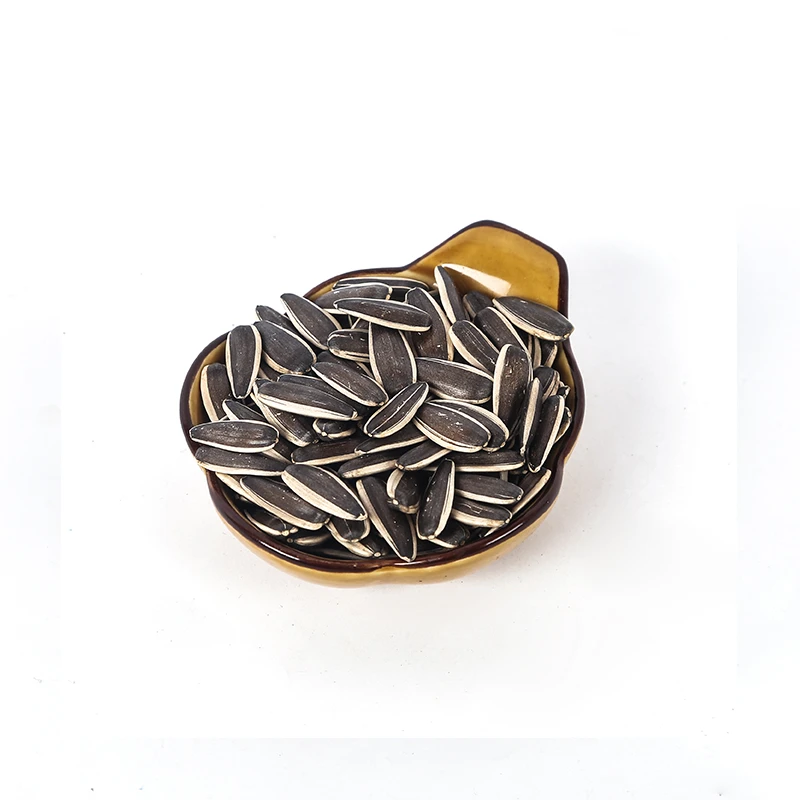
Sunflower seeds are dicots, characterized by a relatively thin hull (pericarp) and a high oil content (35-55% depending on variety) within the kernel. The kernel primarily consists of protein (20-25%), carbohydrates (15-20%), and fiber. The oil is rich in linoleic acid, an essential omega-6 fatty acid. Manufacturing typically involves dehulling, drying to a moisture content of approximately 9-10% to prevent rancidity, and grading based on size and quality. Precise temperature control during drying is crucial to avoid denaturation of proteins and loss of volatile flavor compounds. Pumpkin seeds, also dicots, possess a thicker, harder hull and a lower oil content (30-45%). They contain higher levels of protein (30-35%) and minerals such as magnesium and zinc. The manufacturing process for pumpkin seeds includes cleaning, drying (typically to 7-8% moisture content), hulling (often more difficult than sunflower seeds due to the robust hull), and sorting. The hulling process impacts the final product's texture and consumer acceptance. Both seeds are susceptible to aflatoxin contamination, necessitating rigorous quality control measures throughout the supply chain. Chemical compatibility is important when considering coatings or flavorings; the oil content makes both seeds susceptible to degradation when exposed to oxidizing agents.
Performance & Engineering
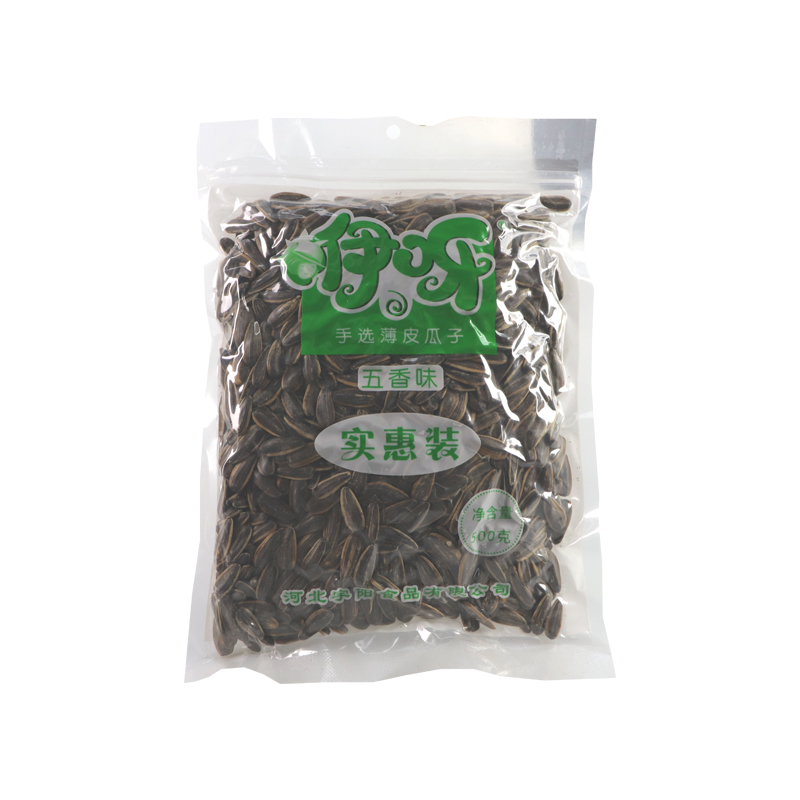
Performance characteristics are largely dictated by the seed’s composition and resulting physical properties. Tensile strength is crucial for withstanding the stresses of processing and packaging. Sunflower seeds, with their thinner hulls, generally exhibit lower tensile strength compared to pumpkin seeds. Impact resistance is similarly affected by hull thickness. For applications involving coating or seasoning, adhesion performance is a critical factor. Oil content influences adhesion, with higher oil content potentially leading to better adhesion but also increasing susceptibility to oil migration. Shelf life is governed by oxidative stability and moisture content. Both seeds require airtight packaging and potentially nitrogen flushing to minimize oxidation. Environmental resistance includes considerations for temperature and humidity. High humidity can lead to microbial growth and rancidity, while temperature fluctuations can cause condensation and accelerate degradation. Compliance requirements necessitate adherence to food safety standards (e.g., HACCP) and labeling regulations regarding allergen information and nutritional content. For example, sunflower seeds are a common allergen and must be clearly identified on product packaging.
Technical Specifications
| Parameter | Sunflower Seeds (Typical) | Pumpkin Seeds (Typical) | Units |
|---|---|---|---|
| Oil Content | 42 | 38 | % (Dry Weight Basis) |
| Protein Content | 23 | 32 | % (Dry Weight Basis) |
| Moisture Content (Post-Processing) | 9-10 | 7-8 | % |
| Hull Thickness | 0.2-0.4 | 0.5-0.8 | mm |
| Kernel Hardness | Moderate | High | (Qualitative) |
| Linoleic Acid Content | 60-70 | 30-40 | % of Total Fatty Acids |
Failure Mode & Maintenance
Failure modes for both sunflower and pumpkin seeds center around degradation of oil quality, physical damage to the kernel, and microbial contamination. Rancidity, caused by lipid oxidation, is a primary failure mode, leading to off-flavors and reduced nutritional value. This is accelerated by exposure to oxygen, light, and heat. Fatigue cracking of the hull can occur during processing or handling, compromising seed integrity. Delamination of the kernel from the hull can result in loss of oil and reduced product quality. Microbial growth, particularly mold, can lead to aflatoxin contamination, rendering the seeds unsafe for consumption. Maintenance strategies involve strict quality control during sourcing, optimal drying and storage conditions (low temperature, low humidity, airtight packaging), and regular monitoring for signs of degradation or contamination. Antioxidant coatings can be applied to delay rancidity. Proper cleaning and sanitation of processing equipment are critical to prevent microbial contamination. For long-term storage, controlled atmosphere packaging (nitrogen flushing) is recommended to minimize oxidation.
Industry FAQ
Q: What are the key differences in oil extraction efficiency between sunflower and pumpkin seeds?
A: Sunflower seeds generally exhibit higher oil extraction efficiency due to their thinner hulls and larger kernel size. Mechanical pressing and solvent extraction methods yield typically 5-10% more oil from sunflower seeds compared to pumpkin seeds, although this can vary depending on seed variety and processing parameters. Pumpkin seed oil extraction often requires more rigorous pre-treatment to effectively break down the robust hull.
Q: How does hull thickness affect the milling and grinding properties of these seeds?
A: Pumpkin seeds' thicker hulls require significantly more energy and specialized milling equipment compared to sunflower seeds. This can lead to increased wear and tear on milling machinery and potentially higher processing costs. Sunflower seeds, with their more brittle hulls, are easier to mill into finer particles, making them suitable for applications like seed butters and flour.
Q: What are the primary considerations for preventing aflatoxin contamination in sunflower and pumpkin seeds?
A: Preventing aflatoxin contamination requires a multi-faceted approach, including sourcing seeds from regions with low aflatoxin prevalence, implementing rigorous quality control checks throughout the supply chain (including pre-harvest monitoring and post-harvest testing), maintaining proper drying and storage conditions (low moisture content, low temperature), and utilizing antifungal treatments where appropriate (following regulatory guidelines).
Q: How do different storage temperatures and humidity levels impact the shelf life of these seeds?
A: Elevated temperatures and humidity levels significantly accelerate the degradation of oil quality and promote microbial growth, drastically reducing shelf life. Ideally, both sunflower and pumpkin seeds should be stored at temperatures below 15°C (59°F) and relative humidity below 60%. Airtight packaging is essential to minimize moisture uptake and oxygen exposure.
Q: What is the role of antioxidants in preserving the quality of sunflower and pumpkin seed oils?
A: Antioxidants, such as Vitamin E (tocopherols) naturally present in the seeds, and added synthetic antioxidants like BHA and BHT, inhibit lipid oxidation, delaying rancidity and preserving oil quality. The effectiveness of antioxidants depends on their concentration, the type of oil, and storage conditions. Proper antioxidant addition is crucial for maintaining flavor, color, and nutritional value during storage.
Conclusion
Sunflower and pumpkin seeds represent distinct raw materials with unique properties that dictate their suitability for various applications. Sunflower seeds excel in oil extraction efficiency and ease of processing, making them ideal for oil production and snack foods. Pumpkin seeds, with their higher protein content and robust hull, offer enhanced nutritional value and textural characteristics, finding application in health food products and specialized snacks. Understanding the material science, manufacturing intricacies, and potential failure modes of each seed type is paramount for optimizing processing parameters, ensuring product quality, and maximizing shelf life.
Future research should focus on developing improved dehulling technologies for pumpkin seeds to enhance oil extraction efficiency and exploring novel antioxidant coatings to further extend the shelf life of both seed types. The increasing demand for sustainable and plant-based protein sources will continue to drive innovation in the processing and utilization of sunflower and pumpkin seeds, requiring ongoing technical expertise and adherence to stringent quality control standards.
