Introduction
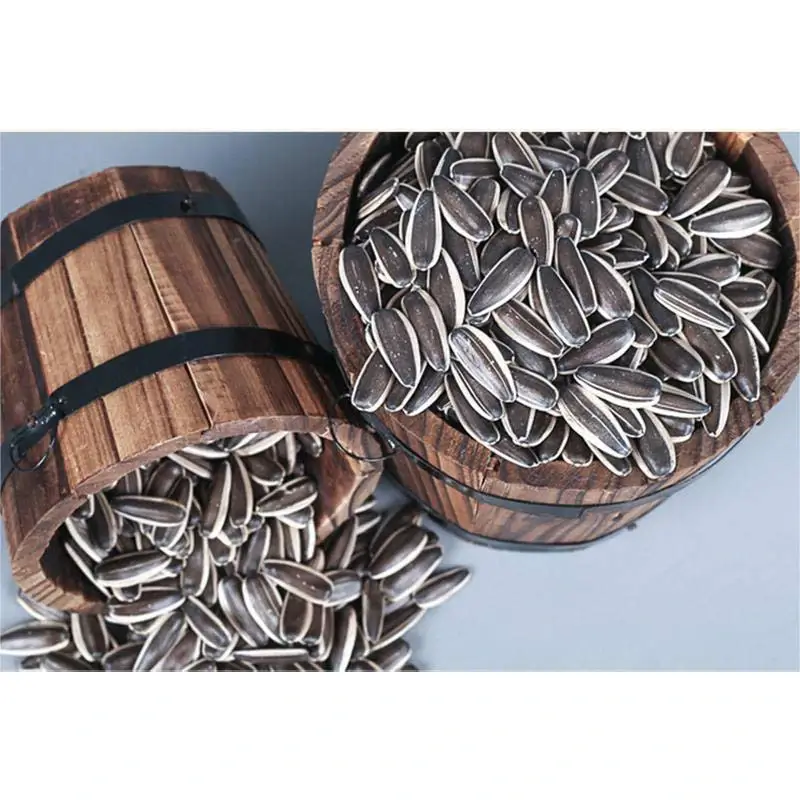
Sunflower seeds variety packs represent a significant segment within the snack food industry, bridging the agricultural sector with consumer packaged goods. These packs, typically containing multiple flavored or seed type variations, cater to evolving consumer preferences for variety and convenience. The technical position of these packs lies in optimizing seed quality, processing parameters, flavoring adhesion, and packaging integrity to ensure a palatable, shelf-stable, and appealing product. Core performance characteristics revolve around maintaining seed viability (for in-shell varieties), flavor profile consistency, low moisture content to inhibit microbial growth, and robust packaging to prevent crushing and oxygen ingress. Industry challenges center on sourcing consistent seed quality subject to seasonal variations, controlling acrylamide formation during roasting, and minimizing lipid oxidation impacting flavor and shelf life. Successful implementation requires meticulous control throughout the supply chain, from seed breeding and harvesting to processing, flavoring, and packaging.
Material Science & Manufacturing
The primary raw material, sunflower seeds ( Helianthus annuus), exhibits variable physical and chemical properties depending on the genotype and growing conditions. Key properties include oil content (38-58%), protein content (20-25%), moisture content (typically 8-12% post-processing), and hull composition (varying in thickness and lignin content). Manufacturing processes vary based on seed presentation – in-shell versus kernel. In-shell processing involves cleaning, grading, de-stoning, drying to target moisture content (around 7-8% for optimal storage stability), and often roasting or flavoring. Kernel processing includes dehulling (mechanical or pneumatic methods), kernel separation, often bleaching (using hydrogen peroxide), drying, and subsequent roasting/flavoring. Flavoring typically employs dry blending with powdered seasonings or coating with liquid flavorings containing oils and carriers. Roasting parameters – temperature (140-180°C), time (15-30 minutes), and air velocity – are critical for developing desired flavor and texture while minimizing acrylamide formation. Control of roasting temperature is paramount, as exceeding optimal ranges leads to increased acrylamide and off-flavor development. Packaging materials are generally multi-layer films consisting of polyethylene (PE), polypropylene (PP), and often a metallized layer (aluminum) to provide barrier protection against oxygen, moisture, and light. The selection of film thickness and composition is dictated by the required shelf life and the potential for lipid oxidation. Sealing integrity is also crucial, employing heat sealing techniques optimized for the chosen film composition.
Performance & Engineering
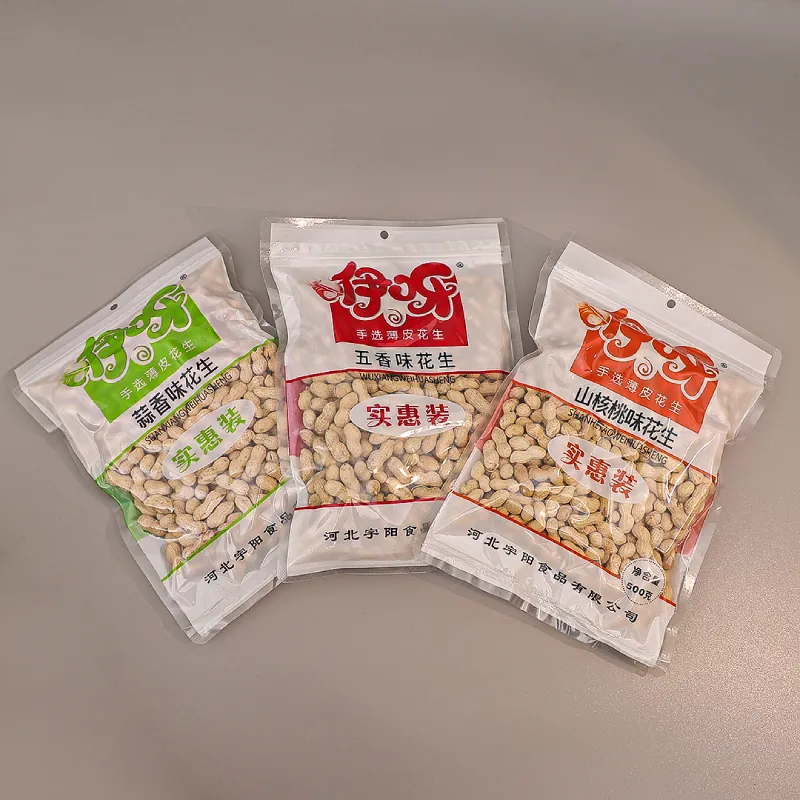
Performance engineering of sunflower seed variety packs focuses on maintaining product quality throughout the distribution chain. Force analysis during handling and transport considers impact resistance of the packaging to prevent kernel breakage. Packaging must withstand compressive forces during palletization and stacking. Environmental resistance assessments include evaluation of moisture vapor transmission rate (MVTR) and oxygen transmission rate (OTR) of the packaging film to ensure shelf-life stability. Elevated temperatures during storage and transportation can accelerate lipid oxidation, impacting flavor and rancidity. Consequently, packaging materials are selected to minimize these effects. Compliance requirements include adherence to food safety regulations (e.g., FDA in the US, EFSA in Europe) regarding allowable levels of acrylamide, heavy metals, and pesticide residues. Furthermore, labeling requirements dictate accurate nutritional information and allergen declarations. Functional implementation involves optimizing the flavoring process to ensure uniform coating and adhesion to the seed surface. This requires careful control of viscosity, surface tension, and application parameters. The adhesion strength of the flavoring must be sufficient to withstand handling and consumption without significant loss. Proper storage conditions – cool, dry, and dark – are also essential to maintain optimal product quality and prevent degradation.
Technical Specifications
| Seed Type | Oil Content (%) | Moisture Content (%) | Packaging OTR (cc/m²/day) |
|---|---|---|---|
| Black Oil Sunflower | 50-58 | 7-8 | < 10 |
| Striped Sunflower | 40-50 | 8-9 | < 15 |
| Confectionary Sunflower | 38-48 | 7-8 | < 8 |
| Salted Flavor | 45-55 | 7-8 | < 12 |
| BBQ Flavor | 42-52 | 7-8 | < 12 |
| Spicy Flavor | 40-50 | 7-8 | < 15 |
Failure Mode & Maintenance
Sunflower seed variety packs are susceptible to several failure modes. Lipid oxidation is a primary concern, leading to rancidity and off-flavor development. This is accelerated by exposure to oxygen, light, and elevated temperatures. Packaging failure (e.g., punctures, seal defects) exacerbates this issue. Kernel breakage during handling and transport, particularly for in-shell varieties, results in product loss and aesthetic defects. Flavor degradation can occur due to volatilization of aroma compounds or hydrolysis of flavorings. Moisture uptake leads to softening of the seeds, loss of crispness, and increased susceptibility to microbial growth. Acrylamide formation, a chemical reaction occurring during roasting, is a potential health concern. Maintenance, in the context of manufacturing, revolves around preventative maintenance of roasting and flavoring equipment to ensure consistent process control. Storage of raw materials and finished goods under controlled temperature and humidity is crucial. Quality control measures, including regular monitoring of moisture content, oil content, and peroxide value (a measure of oxidation), are essential. Packaging integrity checks and shelf-life studies are vital for ensuring product stability and consumer safety. For retailers, proper stock rotation (FIFO – First In, First Out) minimizes the risk of selling expired products.
Industry FAQ
Q: What is the optimal moisture content for sunflower seeds to ensure maximum shelf life?
A: The optimal moisture content for sunflower seeds, post-processing, is typically between 7% and 8%. Lower moisture content inhibits microbial growth and reduces the rate of lipid oxidation. Higher moisture content leads to softening and increased susceptibility to spoilage.
Q: How can acrylamide formation be minimized during the roasting process?
A: Acrylamide formation can be minimized by carefully controlling roasting parameters. This includes lowering the roasting temperature (within acceptable flavor development ranges), reducing roasting time, and employing roasting profiles that prioritize even heating. Pre-treatment of the seeds with asparaginase can also reduce acrylamide precursors.
Q: What type of packaging material provides the best barrier properties against oxygen and moisture?
A: Multi-layer films consisting of polyethylene (PE), polypropylene (PP), and a metallized layer (aluminum) provide the best barrier properties against oxygen and moisture. The thickness and composition of each layer are critical for achieving the desired level of protection.
Q: How do you ensure consistent flavor adhesion to the sunflower seeds?
A: Consistent flavor adhesion is achieved through precise control of the flavoring process. This includes maintaining consistent viscosity and surface tension of the flavoring solution, optimizing application parameters (e.g., spray rate, nozzle type), and ensuring uniform coating of the seed surface. A tackifier may also be added to the flavoring formulation to improve adhesion.
Q: What quality control tests are essential for ensuring the safety and quality of sunflower seed variety packs?
A: Essential quality control tests include monitoring moisture content, oil content, peroxide value (to assess oxidation), acrylamide levels, heavy metal analysis, and microbial testing. Regular sensory evaluation is also crucial for assessing flavor and texture. Packaging integrity checks and shelf-life studies are vital for verifying product stability.
Conclusion
Sunflower seed variety packs necessitate a holistic understanding of material science, manufacturing processes, and packaging technologies to deliver a consistently high-quality product. Maintaining optimal moisture content, controlling lipid oxidation, and minimizing acrylamide formation are key technical challenges. Effective quality control measures and adherence to stringent food safety regulations are paramount.
Future development may focus on innovative packaging materials with enhanced barrier properties, optimized roasting profiles to further reduce acrylamide, and the exploration of novel flavoring techniques to enhance consumer appeal. Continued research into sunflower seed genetics and agronomy can improve seed quality and oil content, ultimately enhancing the overall performance of these snack products.
