Introduction
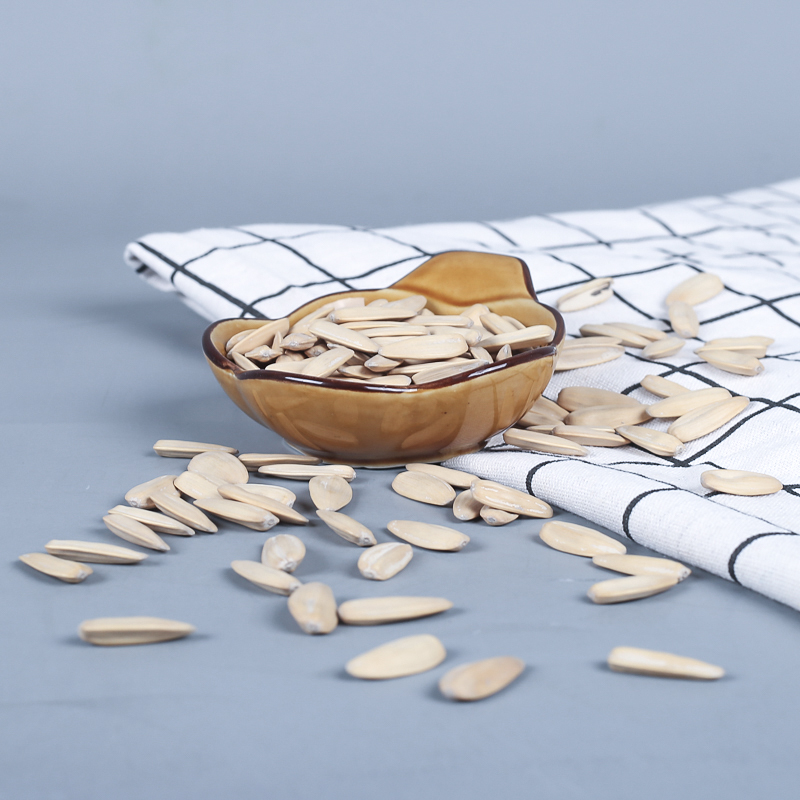
Sunflower seeds ( Helianthus annuus) represent a globally significant oilseed crop and human food source. Categorization within sunflower seed varieties is complex, extending beyond simple ‘black oil’ versus ‘confectionary’ classifications. The technical position within the agricultural chain places sunflower seed varieties as a crucial link between agronomic practices, seed genetics, and downstream processing for oil extraction or direct consumption. Core performance characteristics are dictated by oil content (typically 42-58%), protein content (20-25%), fatty acid profile (oleic, linoleic, palmitic, stearic acids), hull percentage, and kernel size/density. Varietal selection is driven by end-use application – maximizing oil yield for industrial purposes versus optimizing kernel characteristics (size, stripe, taste) for direct human consumption. Current industry pain points center around optimizing for both yield and desirable fatty acid profiles, specifically increasing oleic acid content for improved oxidative stability and reduced trans-fat formation during processing, and addressing challenges related to disease resistance and climate resilience.
Material Science & Manufacturing
The primary material science considerations revolve around the composition of the kernel and hull. The kernel is predominantly composed of lipids (triglycerides), proteins (globulins, albumins), carbohydrates (starch, fiber), and minor components including vitamins, minerals, and phenolic compounds. Hull composition is largely cellulose, hemicellulose, and lignin, providing structural integrity. Manufacturing, in this context, refers to the breeding and cultivation processes. Hybrid seed production relies on controlled pollination, employing cytoplasmic male sterility (CMS) systems and restorer lines to create uniform, high-yielding varieties. Seed development involves the accumulation of lipids within the embryo, requiring a consistent supply of carbohydrates translocated from the plant’s photosynthetic tissues. Key parameters controlled during cultivation include planting density, fertilization rates (nitrogen, phosphorus, potassium), irrigation management, and pest/disease control. Post-harvest processing, whether for oil extraction (expelling, solvent extraction) or confectionary use (de-hulling, grading, seasoning), demands careful control of moisture content (typically 9-11%) to prevent microbial growth and maintain product quality. Seed coating technologies, utilizing polymers and micronutrients, are employed to enhance germination rates and protect against early-season pests. The physical properties such as kernel hardness are crucial for dehulling efficiency, and chemical compatibility of seed coatings with seed surfaces impacts their effectiveness.
Performance & Engineering
Performance evaluation centers around yield (kg/hectare), oil content (%), and fatty acid profile. Engineering considerations address the mechanical properties of the seeds. Force analysis during de-hulling requires understanding the tensile strength of the hull and the shear strength at the kernel-hull interface. Optimal de-hulling minimizes kernel damage, maximizing product yield and quality. Environmental resistance is paramount. Sunflower varieties are selected for tolerance to drought, heat stress, and specific pathogens (e.g., Sclerotinia sclerotiorum, rusts, downy mildew). Compliance requirements vary by region, but generally include regulations regarding pesticide residues, genetically modified organisms (GMOs – if applicable), and food safety standards (e.g., HACCP, GMP). Functional implementation, particularly for confectionary varieties, relies on optimizing kernel size and shape for efficient packaging and automated processing. The shell strength must be sufficient to withstand handling and transportation without excessive breakage. Seed longevity during storage is another crucial performance parameter, influenced by moisture content, temperature, and oxygen exposure. Further, the oil’s oxidative stability—dependent on the fatty acid composition—determines shelf life and suitability for high-temperature applications.
Technical Specifications
| Variety | Oil Content (%) | Oleic Acid Content (%) | Kernel Size (mm) | Hull Percentage (%) | Maturity (Days) |
|---|---|---|---|---|---|
| Peredovik | 49-53 | 35-45 | 10-12 | 28-32 | 105-115 |
| Progress | 50-55 | 60-70 | 11-13 | 26-30 | 100-110 |
| Pioneer P64A71 | 46-50 | 80-85 | 12-14 | 24-28 | 95-105 |
| SunGold 76 | 48-52 | 70-75 | 9-11 | 30-34 | 110-120 |
| Belorus 1 | 52-56 | 30-40 | 10-12 | 27-31 | 108-118 |
| Hybrid 61 | 47-51 | 65-75 | 11-13 | 25-29 | 98-108 |
Failure Mode & Maintenance
Failure modes in sunflower seeds are multifaceted. During growth, fungal infections (e.g., Sclerotinia, rust) can lead to reduced yield and seed quality. Post-harvest, improper storage conditions (high humidity, temperature) promote lipid oxidation and the development of rancidity, causing off-flavors and decreased nutritional value. Physical damage during handling and processing (cracking, chipping) reduces marketability. Insect infestation (e.g., storage beetles) can result in significant losses. Maintenance, in this context, focuses on preventative measures. Proper drying to achieve optimal moisture content (9-11%) is crucial for long-term storage stability. Controlled atmosphere storage (reducing oxygen levels) inhibits lipid oxidation. Regular monitoring for insect activity and the use of appropriate pest control strategies are essential. For confectionary varieties, maintaining hull integrity during processing is vital; careful adjustment of de-hulling equipment parameters can minimize kernel damage. Seed treatments with fungicides and insecticides can provide protection against pre- and post-emergence pests and diseases, but must adhere to regulatory guidelines regarding residue levels. Lipid peroxidation, leading to the formation of aldehydes and ketones, is a primary degradation pathway; antioxidants can be incorporated into packaging materials or seed coatings to mitigate this process.
Industry FAQ
Q: What is the significance of high oleic acid content in sunflower oil, and what are the implications for processing?
A: High oleic acid content (typically >80%) significantly improves oxidative stability, resulting in a longer shelf life and reduced need for hydrogenation, thus avoiding the formation of trans fats. Processing benefits include lower refining costs, reduced color formation during frying, and improved flavor retention. However, high oleic varieties may exhibit different crystallization behavior, requiring adjustments to cooling and filtration processes.
Q: How does hull percentage impact the economic viability of sunflower seed processing?
A: Hull percentage directly affects processing efficiency and cost. Lower hull percentages (24-28%) reduce the amount of material requiring removal during de-hulling, minimizing energy consumption and increasing kernel yield. Hulls themselves have limited economic value (typically used for animal feed or fuel), so reducing their proportion is financially advantageous.
Q: What are the key considerations for long-term storage of sunflower seeds to prevent degradation?
A: Maintaining low moisture content (9-11%) and storing seeds at cool temperatures (below 15°C) are paramount. Minimizing oxygen exposure through controlled atmosphere storage or airtight packaging further inhibits lipid oxidation. Regular monitoring for insect activity and fungal growth is also critical.
Q: What are the common diseases affecting sunflower crops, and what preventative measures can be taken?
A: Common diseases include Sclerotinia sclerotiorum (white mold), rusts, downy mildew, and various fungal blights. Preventative measures include crop rotation, using disease-resistant varieties, optimizing plant density for airflow, applying appropriate fungicides (following label instructions), and managing irrigation to avoid prolonged leaf wetness.
Q: How does genetic modification (GM) technology influence sunflower seed variety development, and what are the regulatory considerations?
A: GM technology, while less prevalent in sunflower compared to other crops, is utilized to enhance traits like herbicide tolerance and disease resistance. Regulatory considerations vary significantly by country. Labeling requirements, import restrictions, and public perception all influence the adoption of GM sunflower varieties. Thorough risk assessments and adherence to biosafety regulations are essential.
Conclusion
Sunflower seed variety selection is a complex process driven by a multitude of interacting factors, encompassing agronomic performance, oil quality, processing characteristics, and market demands. Optimizing for a combination of high yield, desirable fatty acid profiles, and robust disease resistance is the primary challenge for breeders. The understanding of material science principles governing kernel and hull composition, coupled with advancements in breeding technologies, will continue to drive improvements in sunflower seed quality and productivity.
Future research efforts will likely focus on developing varieties with enhanced tolerance to abiotic stresses (drought, heat), improving oil stability through targeted modification of fatty acid profiles, and exploring novel applications for sunflower seed byproducts. Addressing consumer preferences for sustainable and healthy food options will also be a key driver of innovation in the sunflower seed industry.
