Introduction
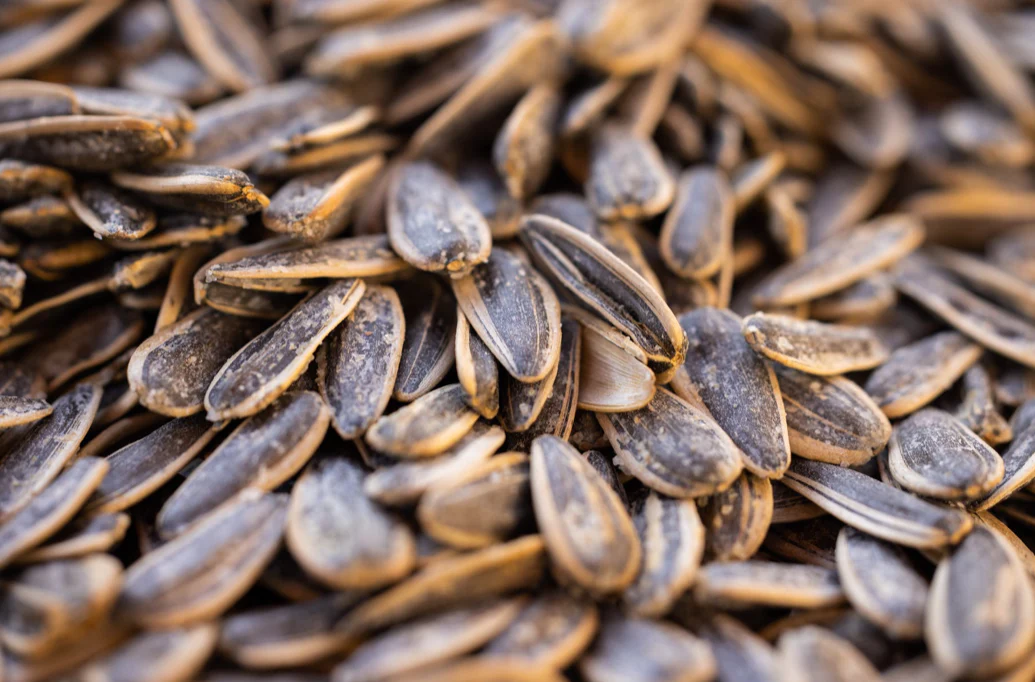
Sunflower seeds ( Helianthus annuus) represent a significant agricultural product consumed globally, both directly as a snack food and indirectly through oil extraction. This guide details the diverse types of sunflower seeds available for direct consumption, focusing on their classification based on hull type (oilseed vs. confectionary), kernel composition, and processing methods. Confectionary sunflower seeds, specifically, are engineered for human consumption, prioritizing kernel size, ease of shelling, and flavor profile. The industry faces challenges related to consistent kernel quality, mycotoxin contamination, and optimizing nutritional value. This document provides an in-depth technical analysis of sunflower seed varieties, their production, performance characteristics, and potential failure modes, all framed within relevant international standards.
Material Science & Manufacturing
Sunflower seeds are composed primarily of oil (42-58%), protein (18-25%), fiber (6-10%), and carbohydrates (15-20%). The hull, or pericarp, consists largely of cellulose and lignin, providing structural integrity. Kernel composition varies significantly between varieties. Oilseed varieties have thinner hulls and higher oil content, while confectionary types prioritize larger kernel size and thicker hulls for easier shelling. Manufacturing begins with seed selection, utilizing density separation to remove immature or damaged seeds. Drying is critical, typically achieved via forced air systems, reducing moisture content to 8-10% to prevent fungal growth. Hulling, a mechanical process, removes the outer pericarp, requiring precise calibration to minimize kernel damage. Following hulling, seeds undergo cleaning, grading (based on size and density), and often coating with salt or other flavorings. Control parameters during drying include temperature (not exceeding 40°C to preserve oil quality) and airflow rate. Hulling pressure and impact velocity are key determinants of kernel integrity. Chemical compatibility of coating materials with the seed oil is essential to prevent rancidity. Raw material quality directly impacts the final product's flavor, texture, and shelf life.
Performance & Engineering
The structural integrity of the sunflower kernel dictates its resistance to cracking during processing and handling. Finite element analysis (FEA) can model stress distribution during hulling, optimizing machine parameters to minimize damage. Moisture content is a critical performance parameter; excessive moisture promotes microbial growth, while insufficient moisture leads to brittleness. The oil within the kernel is susceptible to oxidation, impacting flavor and nutritional value. Antioxidants, such as vitamin E (tocopherol), are naturally present and contribute to oxidative stability. Barrier properties of packaging materials (oxygen transmission rate – OTR, and water vapor transmission rate – WVTR) are vital for preserving freshness. Compliance with food safety regulations (e.g., maximum permissible levels of aflatoxins) is paramount. Force analysis reveals that shelling force varies significantly between varieties, influencing consumer preference. Furthermore, the tribological properties of the seed surface impact flowability during processing and packaging.
Technical Specifications
| Seed Type | Kernel Size (mm) | Oil Content (%) | Hull Thickness (µm) |
|---|---|---|---|
| Oilseed (Black Oil) | 8-10 | 50-58 | 50-70 |
| Confectionary (Striped) | 12-16 | 42-50 | 80-120 |
| Confectionary (White) | 10-14 | 45-55 | 70-100 |
| High Oleic | 9-11 | 60-70 | 60-80 |
| Low Input | 7-9 | 40-48 | 55-75 |
| Organic | 11-15 | 48-56 | 75-110 |
Failure Mode & Maintenance
Sunflower seeds are susceptible to several failure modes. Rancidity, caused by lipid oxidation, leads to off-flavors and reduced nutritional value. This is exacerbated by exposure to oxygen, light, and elevated temperatures. Cracking of the kernel during processing or handling reduces product quality and yield. Mycotoxin contamination, particularly by Aspergillus flavus and Aspergillus parasiticus, poses a significant health risk. Moisture-induced degradation results in clumping and fungal growth. Shelf life extension requires proper storage conditions (cool, dry, dark) and packaging. Maintenance of processing equipment involves regular cleaning to prevent cross-contamination and lubrication of mechanical components to minimize friction and wear. Seed storage facilities should be monitored for temperature and humidity control. Quality control procedures, including regular testing for mycotoxins and oil quality, are essential. Preventative measures include utilizing resistant seed varieties and implementing rigorous sanitation protocols throughout the processing chain.
Industry FAQ
Q: What are the primary factors influencing the shelf life of confectionary sunflower seeds?
A: The primary factors are moisture content, oil quality (specifically, the degree of oxidation), packaging permeability (OTR and WVTR), storage temperature, and exposure to light. High moisture content promotes fungal growth and rancidity. Insufficient barrier properties in the packaging allow oxygen ingress, accelerating oxidation. Elevated temperatures and light exposure further contribute to degradation.
Q: How does hull thickness impact the processing efficiency of sunflower seeds?
A: Hull thickness significantly affects hulling efficiency. Thicker hulls require greater force to remove, potentially increasing kernel damage. Conversely, very thin hulls can lead to excessive kernel breakage during handling. Optimizing hulling parameters (pressure, impact velocity) based on hull thickness is crucial for maximizing yield and minimizing damage.
Q: What methods are used to mitigate the risk of aflatoxin contamination in sunflower seeds?
A: Mitigation strategies include selecting aflatoxin-resistant seed varieties, implementing rigorous pre-harvest monitoring for fungal infection, proper drying of seeds to reduce moisture content, implementing effective cleaning and sorting procedures to remove contaminated seeds, and utilizing packaging materials that provide a barrier to fungal growth. Regular testing for aflatoxin levels is essential.
Q: What is the role of Vitamin E in preserving sunflower seed oil quality?
A: Vitamin E (tocopherol) is a natural antioxidant that inhibits lipid peroxidation, thereby slowing down the rate of rancidity. Higher concentrations of Vitamin E contribute to greater oxidative stability and a longer shelf life. Varieties bred for higher Vitamin E content are increasingly preferred.
Q: How does the choice of packaging material affect the maintenance of sunflower seed quality during storage and transport?
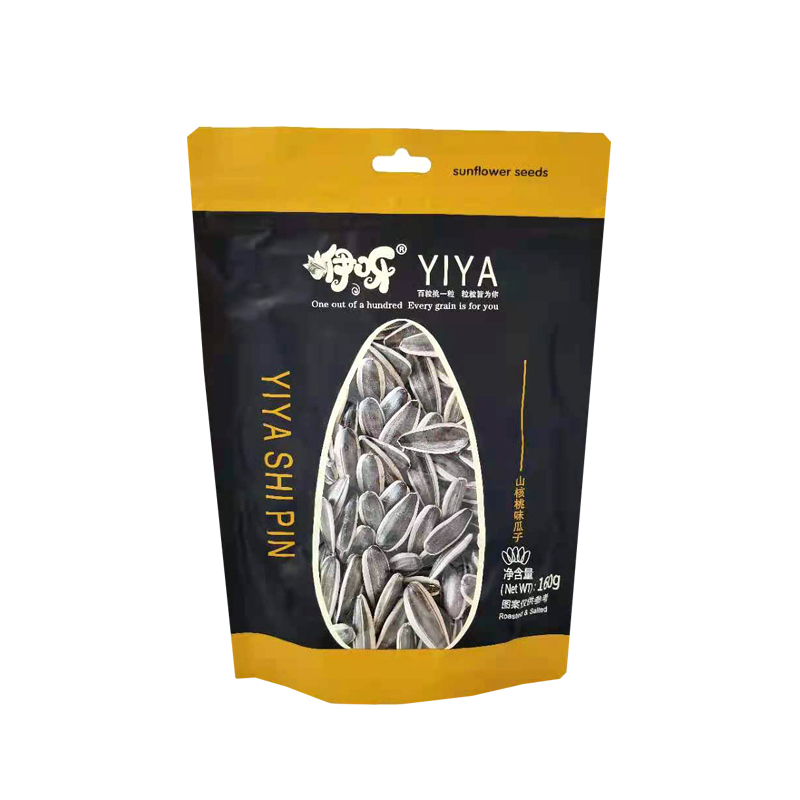
A: Packaging material plays a crucial role. Materials with low OTR and WVTR are essential to prevent oxygen ingress and moisture absorption. Materials that block ultraviolet (UV) light are also important to prevent photo-oxidation. Common materials include foil laminates, metallized films, and high-barrier plastics. The material must also be food-grade and comply with relevant packaging regulations.
Conclusion
Sunflower seeds represent a complex agricultural product with significant variability in composition and performance characteristics. Understanding the interplay between material science, manufacturing processes, and storage conditions is crucial for producing high-quality confectionary seeds. Optimizing hulling parameters, controlling moisture content, and utilizing appropriate packaging are key to minimizing failure modes and maximizing shelf life. Continuous improvement in seed breeding and processing technologies will be essential to meet increasing consumer demand for nutritious and safe sunflower seeds.
Future research should focus on developing novel packaging materials with enhanced barrier properties, identifying and breeding for even greater aflatoxin resistance, and refining processing techniques to minimize kernel damage and preserve oil quality. Furthermore, advancements in non-destructive quality assessment methods will enable more efficient sorting and grading of seeds, improving overall product consistency and reducing waste.
