Introduction
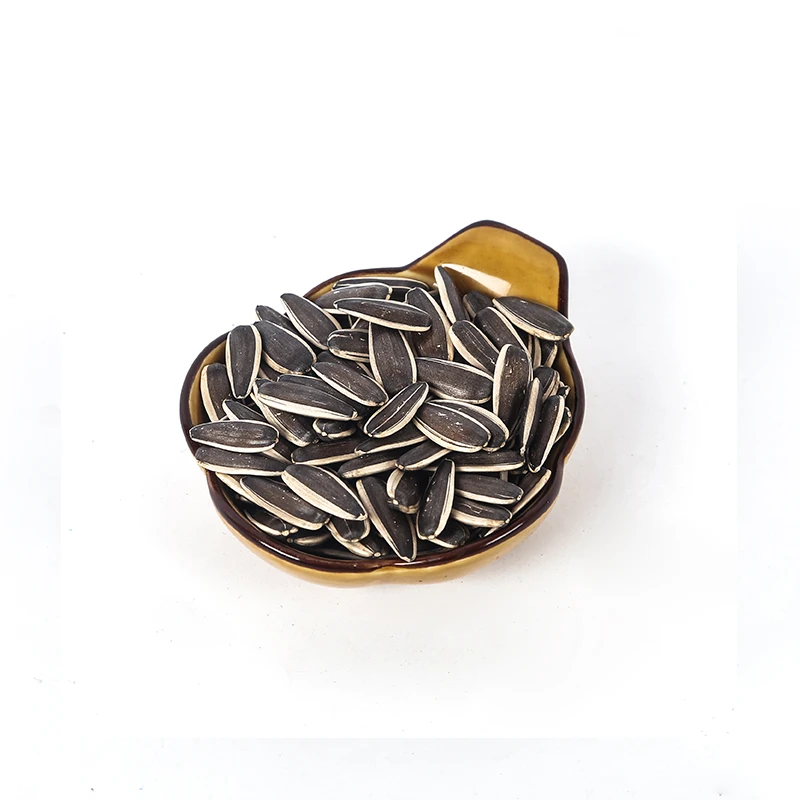
Sunflower seeds, classified botanically as Helianthus annuus, represent a significant agricultural commodity and a widely consumed snack food. The premium snack segment focuses on maximizing palatability, nutritional value, and shelf stability. This technical guide details the critical factors governing sunflower seed snack production, from seed selection and processing to packaging and quality control. The industry chain involves seed breeders, farmers, processors (cleaning, de-hulling, roasting, flavoring), packaging manufacturers, and ultimately, distributors and retailers. Core performance characteristics include consistent kernel size, low moisture content, minimal shell fragments, optimized oil content for flavor adhesion, and a shelf-life exceeding six months without significant rancidity or textural degradation. Failure to control these parameters results in reduced consumer acceptance and potential food safety concerns. This guide will dissect the technical challenges and solutions within this specialized food processing sector.
Material Science & Manufacturing
Sunflower seeds exhibit a complex composition. The kernel comprises approximately 40-55% oil (primarily linoleic acid, an omega-6 fatty acid), 20-25% protein, 15-20% carbohydrate (primarily cellulose and polysaccharides in the hull), and 5-10% moisture. The hull, or pericarp, is composed largely of cellulose and lignin, providing structural rigidity. Premium processing begins with high-oleic sunflower varieties, which exhibit greater oxidative stability, extending shelf life and improving flavor retention. Manufacturing starts with cleaning and grading – removing foreign matter (stalks, leaves, stones) and separating seeds by size. De-hulling is crucial, often utilizing centrifugal impact systems. Kernel damage during de-hulling impacts product quality. Roasting, typically conducted at 120-180°C for 15-30 minutes, develops flavor through Maillard reactions and modifies texture. Temperature and roasting time are critical parameters; under-roasting results in a bland flavor, while over-roasting leads to bitterness and acrylamide formation. Flavor adhesion is enhanced by controlled oil surface exposure during roasting. Seasoning application uses tumbling or fluidized bed coating, demanding precise control of coating liquid viscosity and application rate. Drying post-seasoning is essential to prevent clumping and maintain crispness. Parameter control involves continuous monitoring of seed moisture content, roasting temperature profiles, oil activity (Aw), and seasoning uniformity.
Performance & Engineering
The structural integrity of the sunflower seed kernel is paramount. Force analysis during de-hulling reveals that optimal hull removal minimizes kernel cracking. Kernels experience compressive stresses during packaging and transportation. Therefore, packaging must provide adequate cushioning. Environmental resistance is a key concern, particularly concerning moisture and oxygen permeation. Sunflower seed oil is susceptible to oxidation, leading to rancidity and off-flavors. Exposure to ultraviolet (UV) light accelerates oxidation. Therefore, opaque packaging materials are crucial. Compliance requirements are governed by food safety regulations (FDA in the US, EFSA in Europe). These regulations stipulate permissible levels of acrylamide, aflatoxins (produced by Aspergillus molds), and heavy metal contaminants. Functional implementation requires precise control of roasting parameters to minimize acrylamide formation. Furthermore, the oil content must be within a specified range to ensure optimal flavor adhesion and textural properties. Barrier properties of packaging materials (oxygen transmission rate - OTR, water vapor transmission rate - WVTR) are engineered to maximize shelf life. The mechanical properties of the packaging material (tensile strength, elongation at break) must withstand handling and transport stresses.
Technical Specifications
| Parameter | Unit | Specification (Premium Grade) | Test Method |
|---|---|---|---|
| Moisture Content | % | ≤ 6.0 | AOAC 925.10 |
| Oil Content | % (Dry Basis) | 48 – 58 | SOXTEC Method (ISO 659-1) |
| Kernel Size (Average Diameter) | mm | 10 – 14 | Sieve Analysis (ASTM E11) |
| Hull Damage (Broken Kernels) | % | ≤ 3.0 | Visual Inspection |
| Peroxide Value (Oil) | meq O₂/kg | ≤ 2.0 | AOCS Cd 8-53 |
| Aflatoxin B1 | ppb | ≤ 2.0 | HPLC (AOAC 999.09) |
Failure Mode & Maintenance
Sunflower seed snack failure modes include rancidity (oxidative degradation of lipids), textural changes (loss of crispness due to moisture absorption), and microbial spoilage. Rancidity is exacerbated by high temperatures, oxygen exposure, and the presence of metal ions. Failure analysis reveals that insufficient antioxidant protection (e.g., Vitamin E) accelerates oxidation. Textural changes occur when seeds absorb moisture from the environment, becoming soft and stale. Packaging integrity is crucial for preventing moisture ingress. Microbial spoilage, primarily by molds, can lead to aflatoxin contamination. Proper cleaning, roasting, and storage conditions are essential for minimizing mold growth. Preventive maintenance focuses on cleaning and sanitizing processing equipment to prevent cross-contamination. Regular inspection of packaging seals ensures barrier integrity. Storage facilities must be temperature and humidity controlled (≤ 25°C and ≤ 65% RH). To mitigate these failures, manufacturers employ modified atmosphere packaging (MAP) utilizing nitrogen flushing to reduce oxygen levels and desiccant packets to absorb moisture. Periodic sensory evaluations are crucial for detecting subtle changes in flavor and texture, indicating early stages of degradation.
Industry FAQ
Q: What are the primary drivers of rancidity in sunflower seed snacks and how can it be effectively mitigated?
A: The primary driver of rancidity is the oxidation of unsaturated fatty acids in the sunflower seed oil. This is accelerated by oxygen, heat, light, and the presence of metal ions. Mitigation strategies include using high-oleic sunflower varieties, employing antioxidant packaging materials (e.g., containing oxygen absorbers), nitrogen flushing to reduce oxygen levels within the packaging, maintaining low processing temperatures, and adding natural antioxidants like Vitamin E to the snack formulation.
Q: How does hull damage during processing impact the finished product quality and what steps can be taken to minimize it?
A: Hull damage leads to increased kernel breakage and dust formation, reducing the visual appeal of the snack and potentially introducing off-flavors. It also increases susceptibility to oxidation and moisture absorption. Minimizing hull damage requires careful control of de-hulling parameters (impact velocity, gap settings), proper seed conditioning (moisture content), and optimized equipment maintenance.
Q: What are the key considerations regarding packaging material selection for maximizing shelf life?
A: Packaging material selection must prioritize low oxygen transmission rate (OTR) and low water vapor transmission rate (WVTR). Materials such as metallized polyester films or multi-layer laminates with polyethylene are commonly used. The packaging should also be opaque to block UV light. Proper sealing is critical to maintain barrier integrity. Consider the use of desiccants for further moisture control.
Q: What regulations govern the permissible levels of acrylamide in roasted sunflower seed snacks and how can manufacturers ensure compliance?
A: Regulations regarding acrylamide vary by region. The European Union and the United States have established guidelines. Compliance is achieved by optimizing roasting parameters (temperature and time) to minimize acrylamide formation. Reducing the roasting temperature and time, utilizing asparaginase enzymes to reduce asparagine levels (a precursor to acrylamide), and controlling seed moisture content can significantly lower acrylamide levels.
Q: How important is seed variety selection in achieving a consistent, premium quality product?
A: Seed variety selection is paramount. High-oleic varieties are essential for extended shelf life and flavor stability. Consistent kernel size and shape, achieved through selecting specific cultivars, improves processing efficiency and product appearance. Furthermore, selecting varieties with inherent resistance to mold growth reduces the risk of aflatoxin contamination. Working closely with seed breeders is crucial for identifying and sourcing optimal varieties.
Conclusion
The production of premium sunflower seed snacks is a complex interplay of material science, engineering, and precise process control. Maintaining consistent kernel quality, minimizing oxidative degradation, and ensuring compliance with stringent food safety regulations are fundamental to success. Continuous monitoring of critical parameters throughout the entire production chain – from seed selection to packaging – is essential for delivering a consistently high-quality product that meets consumer expectations.
Future advancements in this field will likely focus on developing innovative packaging materials with enhanced barrier properties, optimizing roasting processes to further reduce acrylamide formation, and employing advanced analytical techniques for rapid detection of contaminants. The integration of real-time process monitoring and control systems will also play a crucial role in improving product consistency and efficiency.
