Introduction
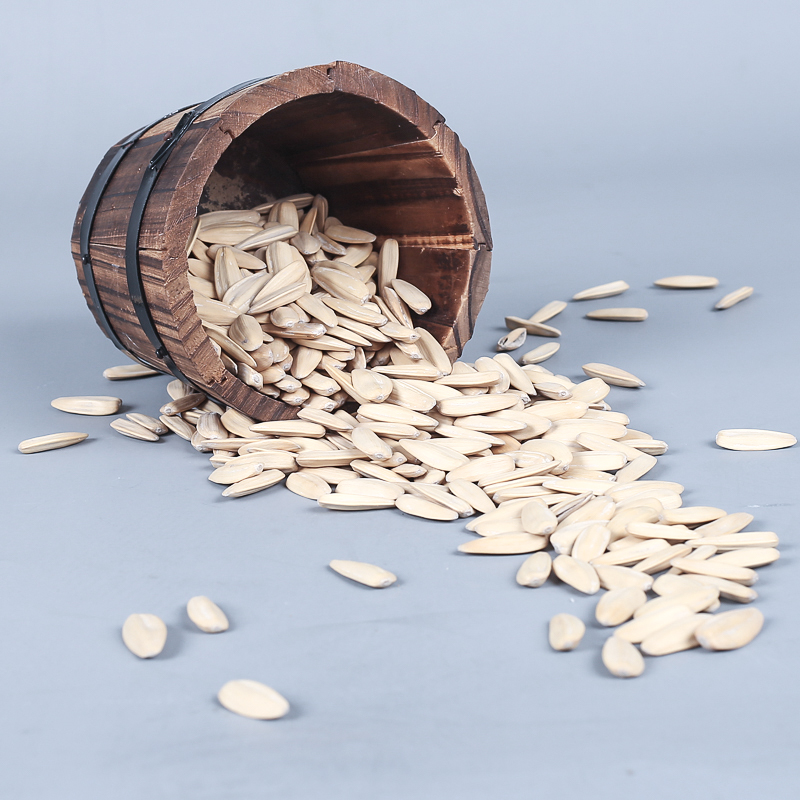
Sunflower seeds snacks premium represent a significant segment within the broader snack food industry, positioned between commodity sunflower seeds and highly processed snack foods. These snacks typically consist of hulled sunflower seeds that have undergone specific processing – roasting, flavoring, and seasoning – to enhance palatability and consumer appeal. Technically, the core performance indicators revolve around seed integrity (minimizing broken kernels), oil content and stability (preventing rancidity), flavor adhesion and consistency, and moisture control (affecting texture and shelf life). The market is driven by increasing consumer demand for healthier snacking options, plant-based proteins, and convenient, portable foods. Unlike raw seeds requiring shelling, the ‘premium’ designation indicates a value-added product targeting consumers willing to pay for convenience and enhanced flavor profiles. Understanding the interplay between seed quality, processing parameters, and packaging technology is crucial for manufacturers aiming to deliver a consistent, high-quality product.
Material Science & Manufacturing
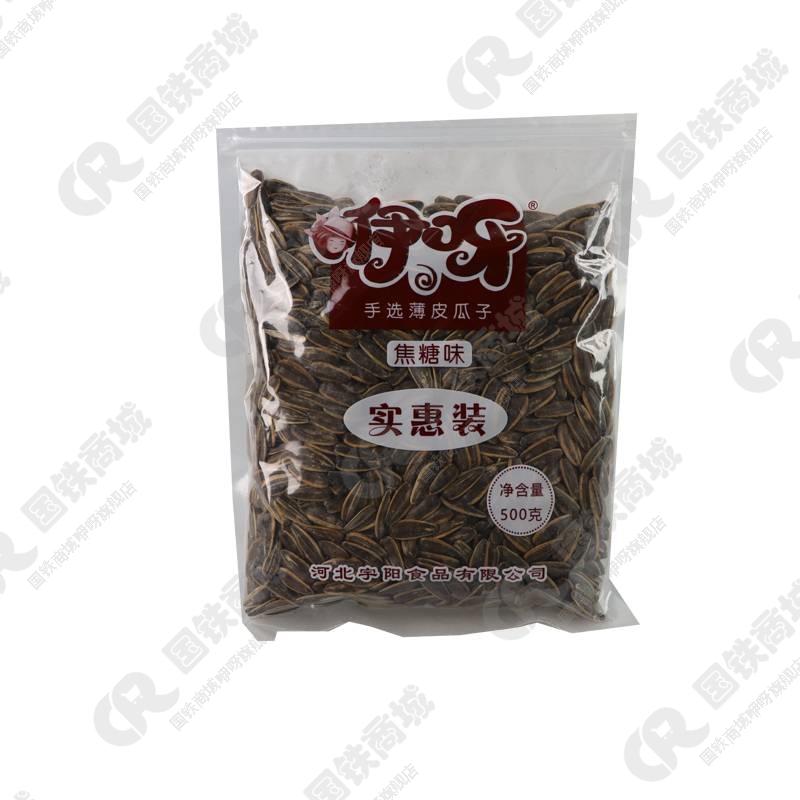
The primary raw material is Helianthus annuus seeds, exhibiting inherent variability in oil content (34-58% typically), protein content (18-24%), and kernel size. Seed quality is paramount; low moisture content (around 10%) at harvest is critical for storage stability. Manufacturing begins with cleaning and dehulling, often employing mechanical abrasion and air separation techniques. The kernel then undergoes roasting, a crucial step influencing flavor development and texture. Roasting temperatures (140-180°C) and durations (15-30 minutes) are tightly controlled to optimize Maillard reaction products – compounds responsible for desirable nutty and roasted flavors – while preventing lipid oxidation. Flavoring is typically achieved through a dry blending process, using powdered seasoning mixes containing salt, spices, and sometimes monosodium glutamate (MSG) or other flavor enhancers. A key manufacturing parameter is the adhesion rate of the seasoning; this is influenced by residual oil on the seed surface and the particle size distribution of the seasoning blend. Coating uniformity is assessed using image analysis and weight gain measurements. Packaging is crucial to prevent moisture absorption and oxidation. Nitrogen flushing and moisture-barrier packaging films (e.g., multilayer polyethylene with EVOH) are common practices to extend shelf life. The mechanical properties of the packaging film – tensile strength, puncture resistance, and oxygen transmission rate (OTR) – are key considerations.
Performance & Engineering
The performance of sunflower seeds snacks premium is assessed based on several engineering principles. Firstly, the shear strength of the kernel determines its resistance to breakage during processing and handling. This is affected by moisture content and roasting conditions. Force analysis is applied to determine optimal conveyor speeds and handling pressures to minimize damage. Secondly, environmental resistance, particularly oxidation, is critical. Lipid oxidation leads to rancidity, evidenced by off-flavors and reduced nutritional value. Antioxidants, such as tocopherols (Vitamin E), are often added to inhibit oxidation. The effectiveness of the antioxidant is influenced by its concentration, the oil content of the seed, and the storage temperature. Thirdly, compliance requirements necessitate adherence to food safety standards (e.g., HACCP) and labeling regulations. Heavy metal content (lead, cadmium) must be monitored and kept within permissible limits. Moisture activity (aw) is a critical parameter controlled to prevent microbial growth. Finally, the functionality of the packaging plays a vital role. Barrier properties – specifically OTR and water vapor transmission rate (WVTR) – must meet specifications to maintain product quality throughout its shelf life. Finite element analysis can be used to model stress distributions within the packaging during transportation and handling.
Technical Specifications
| Parameter | Unit | Specification | Test Method |
|---|---|---|---|
| Moisture Content | % (w/w) | ≤ 8.0 | Oven Drying (AOAC) |
| Oil Content | % (w/w) | 40 – 55 | Soxhlet Extraction (AOCS) |
| Broken Kernel Rate | % | ≤ 5.0 | Visual Inspection |
| Peroxide Value (PV) | meq O₂/kg | ≤ 3.0 | Titration (AOCS) |
| Seasoning Adhesion | % | ≥ 90 | Image Analysis |
| Water Vapor Transmission Rate (WVTR) | g/m²/day | ≤ 5.0 (for packaging film) | ASTM D3985 |
Failure Mode & Maintenance
Common failure modes for sunflower seeds snacks premium include rancidity due to lipid oxidation, textural changes (staling or softening) resulting from moisture absorption, and physical damage (broken kernels) during handling. Rancidity is a primary concern, leading to unacceptable flavor profiles. This can be mitigated by proper packaging (nitrogen flushing, barrier films) and the addition of antioxidants. Staling is caused by moisture migration, leading to a loss of crispness. Maintaining a low moisture content throughout the product lifecycle – from processing to storage – is critical. Broken kernels result from mechanical stress during handling, processing, or packaging. Careful control of conveyor speeds, hopper fill levels, and packaging material impact resistance are essential. Delamination of seasoning can occur if adhesion is poor, caused by insufficient oil on the seed surface or improper seasoning application. Maintenance involves regular quality control checks – moisture content, oil content, peroxide value – and adherence to strict sanitation procedures. Storage conditions (temperature, humidity) must be carefully controlled. Packaging integrity should be inspected regularly to identify and remove compromised packages. Preventative maintenance of roasting and seasoning equipment minimizes mechanical damage and ensures consistent processing.
Industry FAQ
Q: What is the impact of sunflower seed variety on the final snack product?
A: Sunflower seed variety significantly impacts oil content, kernel size, and hulling characteristics. Varieties with higher oil content generally yield more flavorful snacks, but may also be more prone to oxidation. Kernel size influences the appearance and texture of the snack. Choosing a variety suitable for mechanical harvesting and hulling is essential for efficient processing.
Q: How do you control acrylamide formation during the roasting process?
A: Acrylamide formation is a concern during high-temperature roasting. Control strategies include optimizing roasting temperature and time to minimize exposure to temperatures above 120°C, reducing reducing sugar content in the seeds (through variety selection or pre-treatment), and using antioxidants to inhibit acrylamide formation.
Q: What are the critical considerations for extending the shelf life of sunflower seed snacks?
A: Critical factors include minimizing moisture content, preventing lipid oxidation (using antioxidants and barrier packaging), and maintaining a sealed package to prevent oxygen ingress. Nitrogen flushing during packaging is highly recommended. Storage temperature and humidity also play a significant role.
Q: What types of packaging materials are best suited for sunflower seed snacks and why?
A: Multilayer films incorporating polyethylene (PE), ethylene vinyl alcohol (EVOH), and potentially metallized layers provide excellent barrier properties against oxygen and moisture. The EVOH layer provides a high barrier to gases, while the PE layer provides heat sealability and flexibility. The thickness and composition of each layer are optimized based on desired shelf life and cost considerations.
Q: How is seasoning adhesion optimized to ensure consistent flavor delivery?
A: Optimizing seasoning adhesion involves controlling the residual oil content on the seed surface, using a seasoning blend with an appropriate particle size distribution, and applying the seasoning evenly during the blending process. A light coating of vegetable oil or a food-grade adhesion promoter can enhance seasoning retention. Proper mixing time and speed are also crucial.
Conclusion
Sunflower seeds snacks premium represent a complex interplay of agricultural science, food processing engineering, and packaging technology. Maintaining product quality and extending shelf life necessitate stringent control over raw material sourcing, roasting parameters, seasoning application, and packaging integrity. The key to success lies in understanding the chemical and physical properties of the seeds, optimizing the manufacturing process to minimize degradation, and employing packaging solutions that effectively protect against environmental factors.
Future trends in the industry are likely to focus on developing novel flavor profiles, incorporating functional ingredients (e.g., probiotics, vitamins), and utilizing sustainable packaging materials. Further research into optimizing roasting processes to minimize acrylamide formation and enhance antioxidant activity will also be crucial. Continuous improvement in quality control methodologies and supply chain management will be essential to meet evolving consumer demands and maintain a competitive edge.
