Introduction
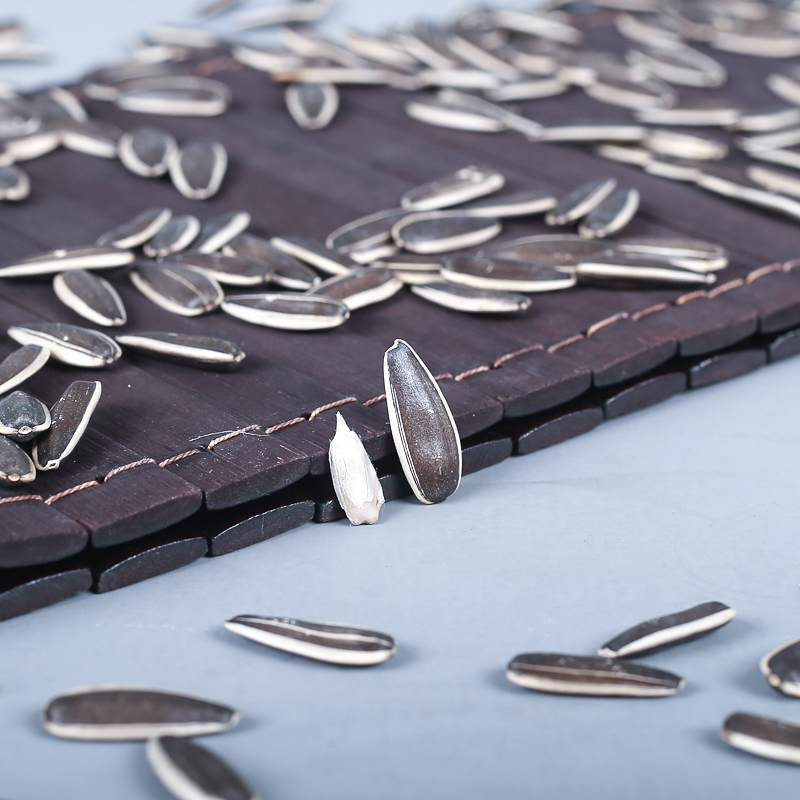
Roasted sunflower seeds represent a significant segment within the snack food industry, positioned between commodity agricultural products and highly processed convenience foods. Technically, they are the fruit of the Helianthus annuus plant, processed to enhance palatability and extend shelf life through controlled heating. The core performance characteristics center around moisture content, oil stability, shell integrity (for in-shell varieties), and the development of desirable flavor compounds through Maillard reactions and caramelization. Industry pain points revolve around achieving consistent roast quality, minimizing acrylamide formation (a process contaminant), and maintaining long-term oxidative stability to prevent rancidity. Controlling these factors is crucial for maintaining product quality and meeting increasingly stringent food safety regulations.
Material Science & Manufacturing
The primary raw material, sunflower seeds, comprises a hull (pericarp), kernel, and embryo. Kernel composition is approximately 50-55% oil (primarily linoleic acid), 20-25% protein, 15-20% carbohydrate, and 5-10% moisture. Hull composition consists primarily of cellulose and lignin. Manufacturing begins with seed cleaning and grading to remove foreign materials and damaged kernels. Roasting is the critical processing step. This typically occurs in batch or continuous rotary roasters operating between 120-180°C. Key parameters include roasting time, temperature profile, and airflow rate. Temperature control is paramount to prevent burning and minimize acrylamide formation. Shelling, if applicable, employs mechanical separation techniques. Flavoring is achieved through the application of dry or liquid seasonings. Oil stability is impacted by the fatty acid profile, with higher linoleic acid content making the seeds more susceptible to oxidation. Moisture content post-roast is critical; ideally between 2-4% to inhibit microbial growth and maintain crispness. The roasting process induces structural changes in the seed’s protein and carbohydrates, impacting texture and digestibility. Packaging materials (discussed further in Performance & Engineering) are selected based on their barrier properties to oxygen and light.
Performance & Engineering
Performance is heavily influenced by the interaction between the seed’s inherent properties and the environmental conditions during processing, storage, and consumption. Force analysis relates to shell fracture strength (for in-shell varieties) and kernel resistance to breakage during handling. Environmental resistance concerns primarily oxidative rancidity, driven by lipid peroxidation. This is mitigated through packaging with high oxygen barrier properties (OTR < 1.0 cc/m²/day) and, potentially, the addition of antioxidants (e.g., tocopherols). Humidity control is also critical; moisture absorption leads to softening and loss of crispness. Compliance requirements include adherence to food safety standards like HACCP, as well as regulations regarding acrylamide levels and allowable levels of heavy metals. Functional implementation involves ensuring the roasting process consistently delivers a product with acceptable flavor, texture, and moisture content. Packaging engineering plays a vital role, utilizing materials like metallized polypropylene or polyethylene terephthalate (PET) to protect against oxygen and light exposure. Shelf life testing, conducted under accelerated conditions (elevated temperature and humidity), is crucial for establishing best-before dates. The structural integrity of the packaging is paramount; any breach compromises barrier properties and accelerates degradation.
Technical Specifications
| Parameter | Unit | Typical Range | Testing Method |
|---|---|---|---|
| Moisture Content | % | 2-4 | AOAC 925.10 |
| Oil Content | % | 40-55 | Soxhlet Extraction (AOAC 920.39) |
| Peroxide Value (PV) | meq O₂/kg | < 5 | AOCS Cd 8-53 |
| Acrylamide Content | µg/kg | < 100 | HPLC-MS/MS (EN 6574) |
| Shelling Percentage (In-Shell) | % | 85-95 | Visual Inspection & Weight Ratio |
| Water Activity (Aw) | - | < 0.6 | Water Activity Meter (ASTM E337) |
Failure Mode & Maintenance
Failure modes in roasted sunflower seeds largely fall into three categories: physical degradation, chemical degradation (rancidity), and microbiological spoilage. Physical degradation manifests as kernel breakage, shell fragmentation (in-shell), and loss of crispness due to moisture absorption. This is often linked to improper handling during processing and packaging. Chemical degradation is primarily driven by lipid oxidation, leading to off-flavors and a reduction in nutritional value. This is accelerated by oxygen, light, and elevated temperatures. Mitigation strategies include packaging with high barrier properties and the addition of antioxidants. Microbiological spoilage, while less common in properly roasted and packaged seeds, can occur due to insufficient heat treatment or breaches in packaging integrity. Failure analysis often involves sensory evaluation (assessing flavor and aroma), chemical analysis (measuring peroxide value and free fatty acids), and microscopic examination (identifying structural defects). Maintenance focuses on preventative measures: rigorous quality control of raw materials, precise control of roasting parameters, maintaining clean and sanitary processing equipment, and employing appropriate packaging materials. Regular monitoring of storage conditions (temperature and humidity) is also essential. Packaging integrity should be routinely inspected for leaks or damage.
Industry FAQ
Q: What is the primary driver of rancidity in roasted sunflower seeds, and how can it be effectively minimized?
A: The primary driver of rancidity is lipid oxidation, specifically the peroxidation of unsaturated fatty acids like linoleic acid. Minimization strategies involve several approaches: using seeds with a lower linoleic acid content (if feasible), employing packaging materials with high oxygen barrier properties (OTR < 1.0 cc/m²/day), adding antioxidants like tocopherols (Vitamin E) to the seeds, controlling storage temperature (lower temperatures slow oxidation), and minimizing exposure to light.
Q: How critical is acrylamide control in roasted sunflower seeds, and what processing adjustments can reduce its formation?
A: Acrylamide control is increasingly critical due to regulatory scrutiny and consumer health concerns. It forms during high-temperature processing through the Maillard reaction between reducing sugars and asparagine. Reducing acrylamide formation involves optimizing roasting temperature and time – lower temperatures and shorter roasting times generally result in lower acrylamide levels. Controlling the moisture content of the seeds prior to roasting and minimizing the availability of free asparagine can also be effective.
Q: What is the acceptable moisture content range for optimal shelf life, and how is this typically achieved?
A: The ideal moisture content range is 2-4%. Below 2%, the seeds may become overly brittle; above 4%, they lose crispness and are more susceptible to microbial growth. This is achieved through careful control of the roasting process, ensuring sufficient drying, and utilizing packaging materials with low water vapor transmission rates (WVTR).
Q: How do different packaging materials (e.g., polypropylene vs. metallized PET) compare in terms of protecting roasted sunflower seeds from degradation?
A: Metallized PET offers significantly superior barrier properties compared to standard polypropylene. The metallization layer creates a nearly impermeable barrier to oxygen and light, slowing down lipid oxidation and preserving flavor. Polypropylene has a higher oxygen transmission rate and is more susceptible to light penetration, resulting in a shorter shelf life. However, polypropylene is generally more cost-effective.
Q: What analytical techniques are used to assess the quality and stability of roasted sunflower seeds throughout their shelf life?
A: Several techniques are employed: Moisture content analysis (AOAC 925.10), Oil content analysis (Soxhlet Extraction), Peroxide Value (AOCS Cd 8-53) to assess oxidation, Acrylamide content (HPLC-MS/MS), Sensory evaluation (to detect off-flavors), and Water Activity measurement (ASTM E337). These analyses are performed at regular intervals during shelf life studies to monitor product degradation.
Conclusion
Roasted sunflower seeds represent a complex interplay of material science, chemical engineering, and food safety principles. Achieving optimal product quality requires meticulous control of the roasting process, selection of appropriate packaging materials, and rigorous quality control measures. The key to maximizing shelf life and minimizing degradation lies in preventing lipid oxidation and maintaining low moisture content. Ongoing research and development continue to focus on optimizing roasting parameters, identifying more effective antioxidants, and developing novel packaging technologies to further enhance product stability and appeal.
Future trends will likely focus on sustainable sourcing of sunflower seeds, reducing acrylamide formation through enzymatic treatments, and the development of bio-based packaging materials. Addressing consumer demand for healthier snack options will also drive innovation in flavor development and nutrient fortification. Ultimately, a thorough understanding of the underlying science and engineering principles is crucial for producing high-quality, safe, and appealing roasted sunflower seeds.
