Introduction
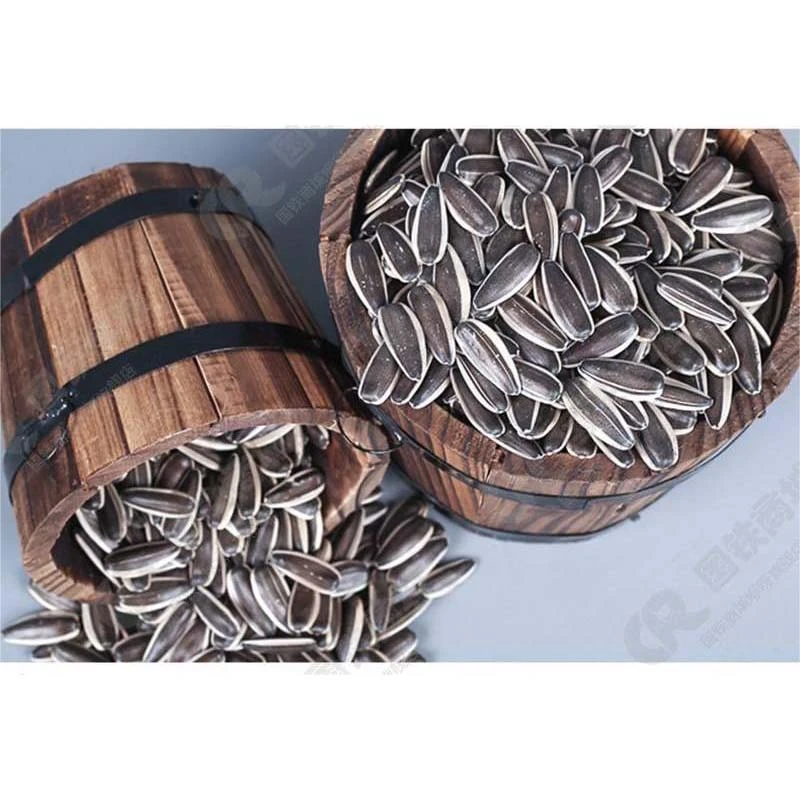
Sunflower seeds ( Helianthus annuus) represent a significant commodity within the global food and oilseed industry. This guide details the critical technical aspects of sunflower seed procurement, encompassing varietal characteristics, quality control parameters, and considerations for long-term storage. Sunflower seeds occupy a crucial position in the agricultural supply chain, serving as a primary source of vegetable oil, protein-rich animal feed, and a direct human food product. Understanding the complexities of seed quality – from kernel content to oil yield and aflatoxin contamination – is paramount for businesses engaged in processing, distribution, and food manufacturing. The inherent variability in sunflower seed composition, stemming from genetics, growing conditions, and post-harvest handling, necessitates a rigorous approach to evaluation and procurement to ensure consistent performance and compliance with food safety regulations. This document provides a technical framework for informed decision-making in sunflower seed purchasing, addressing key challenges faced by procurement managers and quality control engineers.
Material Science & Manufacturing
Sunflower seeds are composed primarily of an oil-rich kernel encased in a hull (or husk). The kernel constitutes approximately 42-58% of the total seed weight, varying significantly by cultivar. Chemically, the kernel oil is a triglyceride mixture, predominantly linoleic acid (typically 60-74%) and oleic acid (14-30%), influencing its stability and nutritional value. The hull, primarily cellulose and lignin, provides structural protection but is removed during oil extraction and snack food processing. Manufacturing processes begin with agricultural cultivation, heavily influenced by soil composition, climate, and irrigation practices. Post-harvest processing includes cleaning (removal of debris, stems, and leaves), drying (reducing moisture content to 8-10% to prevent mold growth), dehulling (mechanical removal of the hull), and grading (sorting based on size and quality). Dehulling utilizes impact and friction methods, with precise control of impact force and surface texture crucial to minimize kernel damage. Moisture content during dehulling is a critical parameter, influencing hull separation efficiency. Seed drying employs forced-air systems, requiring careful temperature regulation (typically below 40°C) to avoid denaturation of proteins and oxidation of unsaturated fatty acids. Quality control during these stages relies heavily on near-infrared spectroscopy (NIRS) to assess oil content, protein levels, and moisture. Proper temperature and humidity control throughout the process are vital to minimizing acrylamide formation during roasting, a key concern for snack food producers.

Performance & Engineering
Sunflower seed performance is fundamentally linked to its oil yield and quality. Oil yield, expressed as a percentage of seed weight, is influenced by genetics (oil content percentage) and extraction efficiency. Engineering considerations center around optimizing the oil extraction process, typically utilizing mechanical pressing and/or solvent extraction (hexane). Mechanical pressing efficiency is determined by press design, pressure applied, and seed preparation (dehulling, flaking, cooking). Solvent extraction, while achieving higher oil yields, requires stringent safety protocols to manage solvent residues. Kernel hardness is a crucial factor influencing both oil yield and processability. Harder kernels require more energy for cracking and flaking, increasing processing costs. Beyond oil, protein content (18-24% of kernel weight) is critical for animal feed applications. Protein quality, assessed by amino acid profile, influences feed conversion ratios. Storage stability is a significant performance metric, impacted by moisture content, temperature, and oxygen exposure. Lipid oxidation, leading to rancidity, is a primary degradation pathway. Antioxidant addition and controlled atmosphere storage (nitrogen flushing) are employed to mitigate oxidation. Particle size distribution of dehulled kernels influences the efficiency of oil extraction and the quality of the resulting meal. Force analysis during dehulling is employed to optimize impact parameters and minimize kernel breakage. Compliance requirements include adherence to maximum permissible levels of aflatoxins (mycotoxins produced by Aspergillus fungi) established by regulatory bodies (FDA, EFSA).
Technical Specifications
| Parameter | Unit | Typical Range (Oilseed Variety) | Typical Range (Confectionery Variety) |
|---|---|---|---|
| Oil Content | % (dry weight basis) | 42-58 | 38-48 |
| Kernel Moisture Content | % | 8-10 | 6-8 |
| Kernel Hardness (Shore D) | - | 60-80 | 80-95 |
| Protein Content (Kernel) | % (dry weight basis) | 18-24 | 20-26 |
| Aflatoxin B1 | ppb | ≤20 | ≤5 |
| Linoleic Acid Content (Oil) | % of total fatty acids | 60-74 | 65-78 |
Failure Mode & Maintenance
Sunflower seed failure modes encompass both pre- and post-harvest issues. Pre-harvest failures include fungal infections leading to aflatoxin contamination, insect damage during growth, and physiological stress due to drought or heat. Aflatoxin contamination is a critical food safety concern, requiring rigorous monitoring and rejection of contaminated batches. Post-harvest failures involve lipid oxidation (rancidity) during storage, mechanical damage during processing (kernel breakage, hull fragments), and moisture absorption leading to mold growth. Lipid oxidation is accelerated by high temperatures, oxygen exposure, and the presence of metal ions. Storage maintenance requires temperature control (below 15°C), humidity control (below 65%), and protection from light. Regular monitoring of seed moisture content is essential. Equipment maintenance for dehulling and oil extraction machinery focuses on minimizing wear and tear, ensuring proper alignment, and preventing contamination. Kernel breakage can be reduced by optimizing impact parameters during dehulling and employing gentle handling techniques. Preventative maintenance schedules, including lubrication, filter replacement, and belt tension adjustments, are crucial for maximizing equipment lifespan and minimizing downtime. Failure analysis of damaged kernels, using microscopy, can identify the root cause of breakage (impact force, kernel structure, or equipment malfunction).
Industry FAQ
Q: What is the significance of the acid value in sunflower oil, and what acceptable limits should I specify in my purchase agreement?
A: Acid value (AV) indicates the level of free fatty acids in the oil, reflecting the extent of hydrolysis or oxidation. A higher AV signifies lower oil quality and stability. For oilseed variety sunflower oil, an AV below 0.3 mg KOH/g is generally acceptable. For confectionery oil, a tighter specification of below 0.2 mg KOH/g is recommended, as flavor and stability are paramount. Exceeding these limits suggests improper storage or processing conditions and can lead to off-flavors and reduced shelf life.
Q: How do I effectively mitigate the risk of aflatoxin contamination in sunflower seeds?
A: Aflatoxin contamination is primarily controlled through good agricultural practices (GAP). This includes selecting resistant cultivars, ensuring proper soil health, minimizing insect damage during growth, and avoiding drought stress. Post-harvest, prompt drying to 8-10% moisture content is crucial. Regular inspection and sorting to remove visibly damaged seeds is also essential. Testing for aflatoxin levels using ELISA or HPLC methods is mandatory, with strict adherence to regulatory limits (typically ≤20 ppb for oilseed, ≤5 ppb for confectionery).
Q: What is the role of NIR spectroscopy in sunflower seed quality control, and what parameters can it accurately measure?
A: Near-infrared (NIR) spectroscopy provides a rapid and non-destructive method for assessing seed composition. It can accurately measure oil content, protein content, moisture content, and kernel hardness. Calibration models, developed using reference methods (e.g., Soxhlet extraction for oil content), are essential for accurate predictions. NIR offers significant advantages in terms of speed and cost-effectiveness compared to traditional analytical techniques.
Q: What considerations are important when specifying kernel size and shape for confectionery sunflower seeds?
A: Kernel size and shape significantly impact consumer appeal. Confectionery seeds typically require a larger, more uniform kernel size (typically above 6mm diameter) and a defined shape (elongated or rounded, depending on market preference). Screening during grading is used to achieve the desired size distribution. A low percentage of broken or chipped kernels is also critical for maintaining product quality. The size and shape specifications should align with the requirements of the roasting and flavoring processes.
Q: How does the oleic acid content affect the storage stability of sunflower oil, and should I prioritize high-oleic varieties?
A: Sunflower oil with a high oleic acid content (typically >70%) exhibits superior oxidative stability compared to linoleic-rich oils. Oleic acid is a monounsaturated fatty acid, less susceptible to oxidation. High-oleic varieties have a longer shelf life and require less antioxidant addition. Prioritizing high-oleic varieties is generally recommended for applications requiring extended storage or high-temperature processing, as they reduce the risk of rancidity and maintain flavor quality.
Conclusion
Procuring high-quality sunflower seeds demands a technically informed approach, extending beyond price considerations to encompass a deep understanding of seed composition, manufacturing processes, and potential failure modes. Effective quality control relies on utilizing analytical techniques like NIRS, adhering to stringent aflatoxin limits, and specifying precise parameters for oil content, kernel hardness, and moisture content. The selection of appropriate varieties – whether oilseed or confectionery – should be based on the intended end-use application and desired performance characteristics.
Ultimately, a proactive approach to sunflower seed procurement, encompassing rigorous supplier qualification, consistent quality monitoring, and adherence to international standards, is essential for ensuring product quality, minimizing risks, and maximizing the value of this critical agricultural commodity. Investing in robust analytical capabilities and fostering strong relationships with reputable suppliers are key to long-term success in the sunflower seed industry.
