Introduction
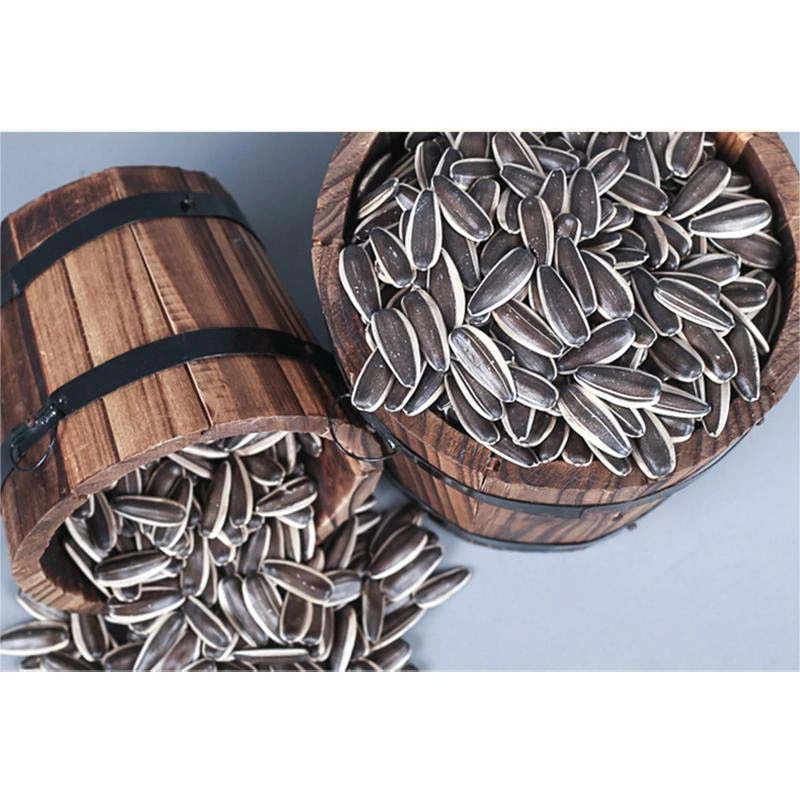
Sunflower seeds ( Helianthus annuus ) represent a significant agricultural commodity, positioned within the food processing and edible oil industries. While seemingly simple, their production and quality control are subject to rigorous scientific scrutiny. Sunflower seeds are not merely a snack food; they are a source of vegetable oil, protein, and essential fatty acids, requiring precise characterization of their chemical composition and physical properties. This guide will delve into the complexities of sunflower seed production, from botanical origins and cultivation to processing, quality assessment, and potential failure modes, encompassing relevant industrial standards. Core performance attributes include oil content, protein content, kernel size, and absence of aflatoxins and other contaminants. The industry faces challenges related to inconsistent seed quality stemming from variable growing conditions, effective storage to prevent rancidity, and maintaining compliance with stringent food safety regulations.
Material Science & Manufacturing
Sunflower seed composition is fundamentally dictated by its biological origins. The seed itself consists of a hull (pericarp) approximately 20-30% of the total weight, and a kernel representing 70-80%. The kernel comprises approximately 40-60% oil, 20-30% protein, 10-20% carbohydrate, and smaller amounts of fiber and minerals. Oil quality is determined by the fatty acid profile, particularly linoleic acid (C18:2), oleic acid (C18:1), and palmitic acid (C16:0). Manufacturing begins with seed harvesting, typically occurring when the seed moisture content reaches 18-20%. Drying is crucial, reducing moisture to 8-9% to prevent mold growth and preserve oil quality. This is typically achieved through forced-air drying, monitored closely to avoid thermal degradation of oils. Dehulling follows, a mechanical process separating the kernel from the hull. This stage requires careful calibration of machinery to minimize kernel damage. Further processing involves cleaning, grading (based on size and density), and often, oil extraction via mechanical pressing or solvent extraction (typically using hexane). Solvent extraction requires subsequent refining to remove residual hexane. Parameter control centers on maintaining optimal moisture levels throughout processing, controlling temperature during drying and oil extraction, and ensuring efficient separation of hulls from kernels. The physical strength of the hull, determined by fiber content and lignification, impacts dehulling efficiency. Chemical compatibility considerations include the prevention of lipid oxidation during processing and storage.

Performance & Engineering
The performance of sunflower seeds as a food product and oil source is intrinsically linked to their physical and chemical properties. Force analysis during dehulling focuses on the fracture strength of the hull and the resistance to kernel damage. The tensile strength of the hull is influenced by its moisture content and structural integrity. Environmental resistance pertains to the seed’s ability to withstand temperature fluctuations and humidity changes during storage. High humidity promotes microbial growth, while temperature variations accelerate lipid oxidation. Compliance requirements are dictated by food safety regulations, including maximum permissible levels of aflatoxins (produced by Aspergillus species), pesticide residues, and heavy metal contamination. Functional implementation involves optimizing oil extraction processes to maximize yield while preserving oil quality. Oil stability is a critical performance indicator, assessed through peroxide value and acid value measurements. Kernel hardness also plays a role in the efficiency of oil pressing, with harder kernels generally requiring more energy. The engineering considerations extend to the design of storage facilities, ensuring adequate ventilation and temperature control to maintain seed quality over extended periods. The mechanical properties of the seed (hardness, fracture resistance) are crucial in determining the efficiency and cost-effectiveness of processing equipment.
Technical Specifications
| Parameter | Typical Value | Unit | Test Method |
|---|---|---|---|
| Oil Content | 42-58 | % (dry weight basis) | Nuclear Magnetic Resonance (NMR) |
| Protein Content | 18-28 | % (dry weight basis) | Kjeldahl Method |
| Moisture Content | ≤ 9 | % | Oven Drying Method (AOAC) |
| Aflatoxin B1 | ≤ 2 | ppb | ELISA (Enzyme-Linked Immunosorbent Assay) |
| Hull Percentage | 20-30 | % | Physical Separation & Weighing |
| Kernel Hardness | 15-25 | N | Compression Testing |
Failure Mode & Maintenance
Sunflower seeds are susceptible to several failure modes impacting quality and usability. Rancidity, caused by lipid oxidation, is a primary concern, particularly during storage. This manifests as an off-flavor and reduced nutritional value. The rate of oxidation is accelerated by exposure to oxygen, light, and elevated temperatures. Another failure mode is physical damage to the kernel during harvesting, dehulling, or processing, leading to broken kernels and increased susceptibility to mold growth. Microbial contamination, especially by Aspergillus species, results in aflatoxin production, rendering the seeds unsafe for consumption. Insect infestation can also lead to seed damage and contamination. Delamination of the kernel can occur due to improper drying or handling. Maintenance strategies include implementing strict quality control measures throughout the production process, ensuring proper drying and storage conditions (low temperature, low humidity, dark environment), regular monitoring for aflatoxins and other contaminants, and employing effective pest control measures. Preventative maintenance of processing equipment (dehullers, dryers, cleaners) is crucial to minimize kernel damage. Regular cleaning of storage facilities is also essential to prevent microbial growth and insect infestation. Proper stock rotation (FIFO - First In, First Out) helps minimize the risk of rancidity.
Industry FAQ
Q: What is the significance of linoleic acid content in sunflower oil?
A: Linoleic acid is an essential omega-6 fatty acid, crucial for human health. The ratio of linoleic to oleic acid impacts the oil's stability and nutritional profile. Higher linoleic acid content generally correlates with lower oxidative stability but provides a beneficial fatty acid for dietary intake. The industry is increasingly focused on breeding high-oleic sunflower varieties to enhance oil stability.
Q: How are aflatoxin levels monitored and controlled?
A: Aflatoxin levels are primarily monitored through regular testing using ELISA or HPLC methods. Control measures include pre-harvest management practices (resistant varieties, proper irrigation), prompt harvesting after maturity, thorough drying, and careful storage. Good Agricultural Practices (GAP) and Hazard Analysis and Critical Control Points (HACCP) are essential for minimizing aflatoxin contamination.
Q: What impact does the dehulling process have on oil yield and quality?
A: The dehulling process significantly impacts both oil yield and quality. Inefficient dehulling leads to increased hull fragments in the kernel, reducing oil concentration. Aggressive dehulling can damage the kernel, releasing free fatty acids and reducing oil quality. Optimizing dehulling parameters (impact force, clearance) is crucial.
Q: What are the key considerations for long-term sunflower seed storage?
A: Long-term storage requires maintaining low moisture content (≤9%), low temperature (below 15°C), and minimizing exposure to oxygen and light. Proper ventilation is essential to prevent condensation. Airtight storage containers or modified atmosphere packaging (MAP) can further extend shelf life. Regular monitoring for signs of spoilage (off-odor, mold growth) is vital.
Q: How does kernel size distribution affect processing efficiency?
A: Kernel size distribution impacts the efficiency of sorting, grading, and oil extraction processes. Uniform kernel size facilitates more efficient processing and reduces losses. Variations in size can lead to inconsistent oil extraction rates and increased energy consumption. Grading systems are used to separate kernels based on size and density.
Conclusion
Sunflower seed production is a complex interplay of botanical characteristics, agricultural practices, and industrial processing. Maintaining high seed quality requires meticulous control over every stage, from cultivation to storage, with a focus on minimizing lipid oxidation, preventing microbial contamination, and optimizing mechanical processing to preserve kernel integrity. The critical parameters of oil content, protein content, and aflatoxin levels dictate the value and usability of the seeds.
Future advancements will likely center on breeding for enhanced oil stability, improved resistance to aflatoxin-producing fungi, and more efficient dehulling technologies. The adoption of precision agriculture techniques and advanced analytical methods will further refine quality control processes and ensure a consistent supply of high-quality sunflower seeds to meet growing global demand. Further research into novel storage technologies will play a pivotal role in extending shelf life and minimizing post-harvest losses.
