Introduction
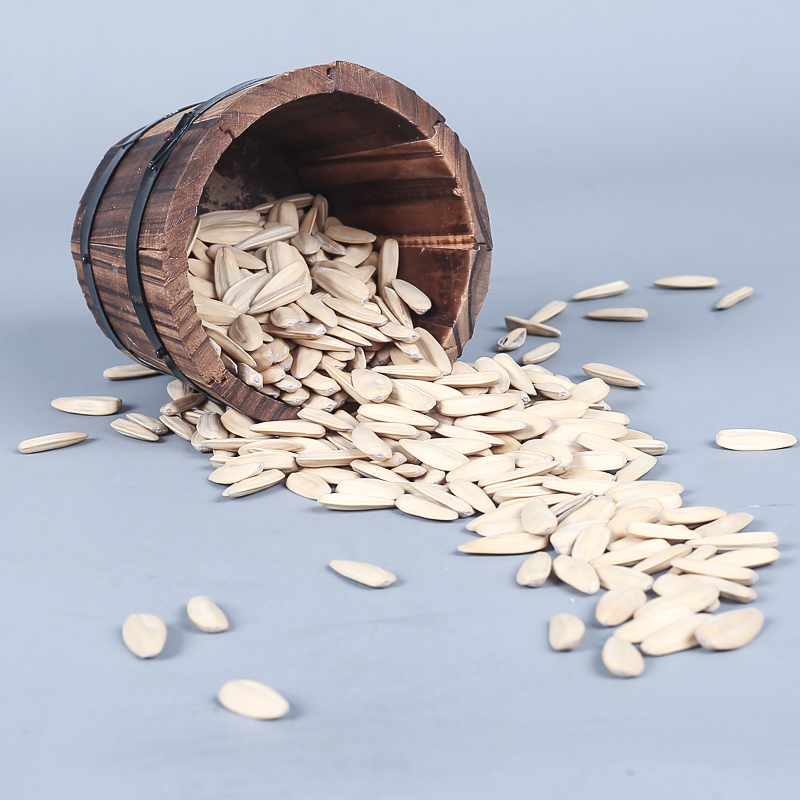
Organic sunflower seeds ( Helianthus annuus) represent a significant segment within the broader edible seed market, experiencing increasing demand driven by health-conscious consumers. Positioned within the agricultural supply chain between primary cultivation and food processing, these seeds are valued for their nutritional density – specifically their high content of vitamin E, magnesium, and healthy fats. Their classification as ‘organic’ mandates adherence to stringent agricultural practices prohibiting synthetic fertilizers, pesticides, and genetically modified organisms (GMOs). This guide provides a comprehensive technical overview of organic sunflower seeds, focusing on their material composition, production processes, performance characteristics, potential failure modes during storage and processing, and applicable industry standards. A critical pain point within the industry relates to maintaining organic certification integrity throughout the entire supply chain, from field to finished product, and ensuring consistent seed quality in the face of variable climatic conditions.
Material Science & Manufacturing
Sunflower seeds are primarily composed of three key components: the kernel (approximately 58-68% by weight), the hull (approximately 20-30% by weight), and trace amounts of adhering plant matter. The kernel is rich in oil (40-55%), predominantly linoleic acid (a polyunsaturated omega-6 fatty acid), oleic acid (a monounsaturated omega-9 fatty acid) and palmitic acid (a saturated fatty acid). Protein content typically ranges from 18-25%, with amino acids like tryptophan and methionine being notable constituents. The hull is primarily cellulose and lignin, providing structural integrity. Organic farming practices influence seed composition; soil health, driven by organic matter content, directly impacts oil quality and protein levels. Manufacturing begins with field harvesting, followed by drying to a moisture content of approximately 9-10% to prevent fungal growth and lipid oxidation. Mechanical dehulling separates the kernel from the hull, often utilizing impact or friction-based methods. Seed grading and sorting are crucial to remove foreign material and broken kernels. Key parameter control involves consistent drying temperatures (typically below 45°C to preserve oil quality), precise dehulling pressure to minimize kernel damage, and rigorous quality control measures at each stage to ensure organic certification compliance. Varietal selection also plays a critical role, with different cultivars exhibiting variations in oil content, hullability, and disease resistance.
Performance & Engineering
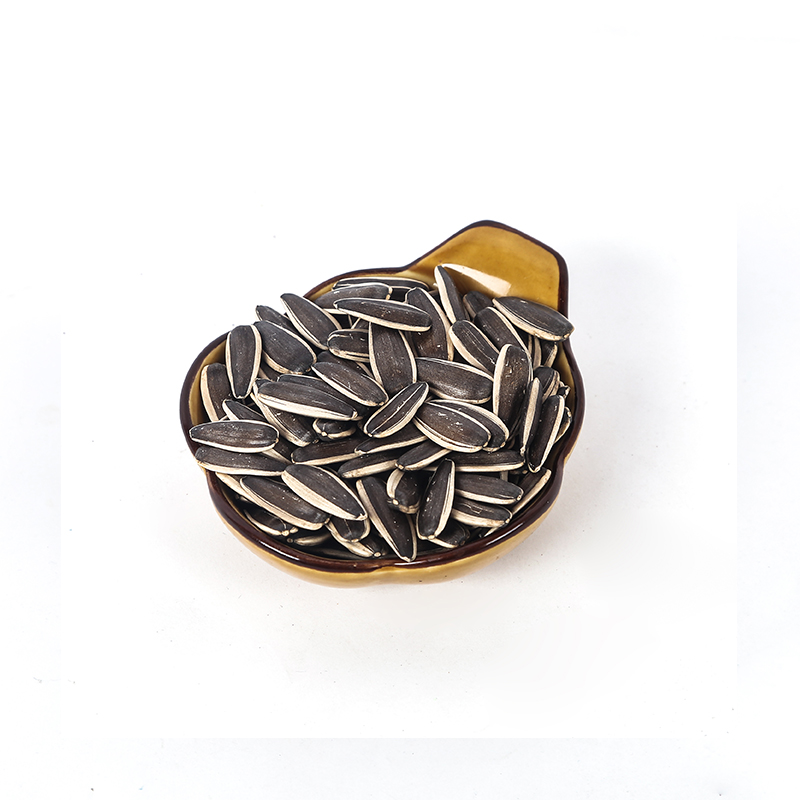
The performance of organic sunflower seeds is evaluated based on several key factors: oil yield, kernel hardness (resistance to cracking during processing), protein content, and the absence of contaminants. Force analysis during dehulling involves understanding the fracture mechanics of the hull and kernel interface; optimizing dehulling pressure minimizes kernel damage while maximizing hull removal efficiency. Environmental resistance is critical during storage. High humidity accelerates lipid peroxidation and mold growth, while temperature fluctuations affect seed viability. Organic seeds, lacking synthetic fungicides, are inherently more susceptible to fungal contamination (e.g., Aspergillus flavus, which produces aflatoxins). Compliance requirements mandate adherence to organic standards (e.g., USDA Organic, EU Organic Regulation) which dictate allowable input materials, pest control methods, and traceability protocols. Functional implementation focuses on diverse applications – direct consumption, oil extraction, confectionery products, and animal feed. Seed size and shape are engineered for specific applications; for example, confectionery seeds are selected for their large kernel size and ease of shelling. Seed coating with natural polymers (e.g., cellulose) can improve flowability and reduce dust during processing.
Technical Specifications
| Parameter | Unit | Typical Range (Organic Sunflower Seeds) | Testing Method |
|---|---|---|---|
| Oil Content | % (Dry Weight Basis) | 45-58 | Soxhlet Extraction (AOCS Official Method) |
| Protein Content | % (Dry Weight Basis) | 18-26 | Kjeldahl Method (AOAC Official Method) |
| Moisture Content | % | 8-10 | Oven Drying Method (AACC Method) |
| Kernel Hardness | N (Newton) | 20-40 | Compression Test (Instron Universal Testing Machine) |
| Hull Percentage | % | 22-32 | Manual Separation and Weighing |
| Aflatoxin Level | ppb (parts per billion) | < 20 | ELISA (Enzyme-Linked Immunosorbent Assay) |
Failure Mode & Maintenance
Organic sunflower seeds are susceptible to several failure modes. Lipid oxidation, leading to rancidity, is a primary concern, exacerbated by exposure to oxygen, light, and elevated temperatures. Aflatoxin contamination, stemming from Aspergillus mold growth, poses a significant safety risk, particularly under humid storage conditions. Mechanical damage during harvesting and processing (e.g., kernel cracking) reduces quality and increases susceptibility to insect infestation. Hull fragments left adhering to the kernel can impact processing efficiency and sensory quality. Maintenance involves stringent storage protocols: maintaining low temperatures (below 10°C), controlling humidity (below 65%), and ensuring adequate ventilation. Regular monitoring for aflatoxins and lipid oxidation is crucial. Implementing a robust pest management program, utilizing organic-approved methods (e.g., diatomaceous earth, insect traps), prevents insect damage. Proper cleaning and sanitization of processing equipment minimizes contamination risks. Seed treatments with natural antioxidants (e.g., vitamin E) can extend shelf life by inhibiting lipid peroxidation. Preventative maintenance on harvesting and processing machinery reduces mechanical damage.
Industry FAQ
Q: What are the key differences in processing organic versus conventionally grown sunflower seeds?
A: The primary difference lies in the permissible processing aids. Conventional processing often utilizes synthetic antioxidants and mold inhibitors, which are prohibited in organic processing. Organic processors must rely on physical sorting, controlled atmosphere storage, and natural preservatives like vitamin E. Maintaining organic integrity requires strict segregation of organic and conventional materials throughout the entire processing line and rigorous traceability documentation.
Q: How does varietal selection impact the oil quality of organic sunflower seeds?
A: Varietal selection significantly impacts oil fatty acid composition. High-oleic sunflower varieties, for instance, contain a higher proportion of oleic acid, resulting in greater oxidative stability and a longer shelf life compared to linoleic varieties. Organic breeding programs are focusing on developing cultivars with improved oil quality, disease resistance, and yield potential, all while adhering to organic principles.
Q: What are the implications of different drying methods on the quality of organic sunflower seeds?
A: Excessive drying temperatures can degrade oil quality and reduce seed viability. Hot air drying is commonly used, but careful temperature control (below 45°C) is essential. Slow drying methods, while more energy intensive, generally preserve oil quality better. The drying rate must be optimized to prevent cracking and ensure uniform moisture content throughout the seed lot.
Q: How is the presence of aflatoxins monitored and controlled in organic sunflower seeds?
A: Aflatoxin levels are monitored through regular testing using ELISA or HPLC methods. If levels exceed regulatory limits, the affected seed lot is deemed unfit for human consumption. Preventative measures include selecting aflatoxin-resistant varieties, ensuring proper harvesting and drying practices, and implementing effective storage protocols. Organic certification bodies require documented aflatoxin monitoring programs.
Q: What role does traceability play in ensuring the integrity of organic sunflower seeds?
A: Traceability is paramount. A complete audit trail, from farm to finished product, is required to verify organic certification. This includes documentation of seed source, farming practices, processing methods, and storage conditions. Effective traceability systems utilize unique lot numbers and allow for rapid identification and recall of affected products in the event of contamination or non-compliance.
Conclusion
Organic sunflower seeds represent a complex agricultural commodity demanding meticulous attention to detail throughout the entire supply chain. Maintaining organic certification, preserving oil quality, mitigating aflatoxin risks, and optimizing processing efficiency are critical challenges. Understanding the material science of the seed – its composition and response to environmental factors – is fundamental to ensuring a high-quality, safe, and sustainable product.
Future development will likely focus on advanced breeding techniques to enhance disease resistance and oil profiles, as well as improved storage technologies to minimize lipid oxidation and aflatoxin formation. Continuous monitoring of regulatory standards and consumer preferences will be essential for continued success in this evolving market. The integration of blockchain technology for enhanced traceability and supply chain transparency holds significant potential for bolstering consumer confidence and streamlining organic certification processes.
