Introduction
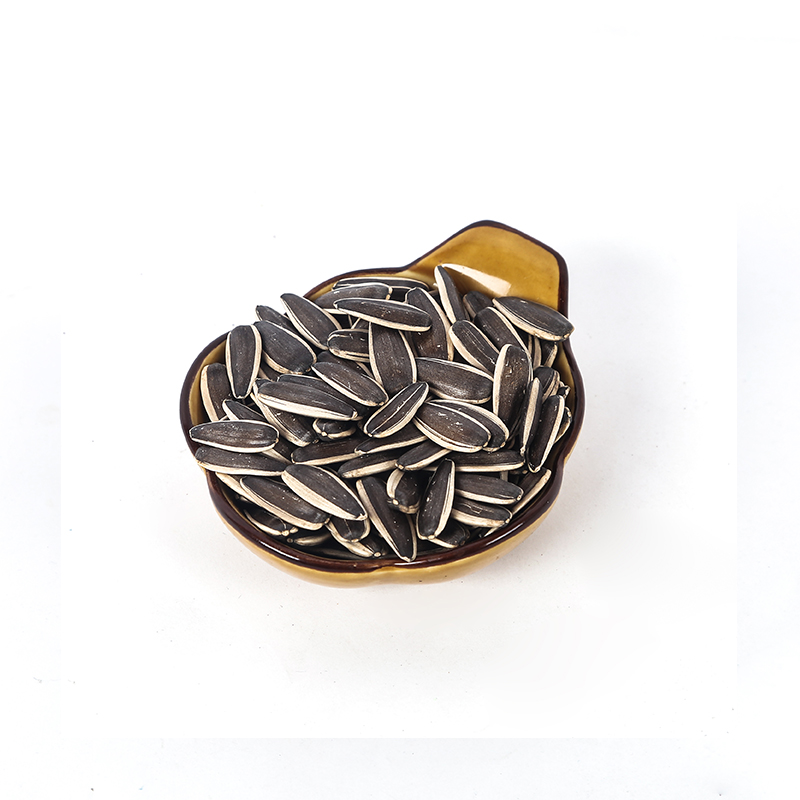
Sunflower seeds ( Helianthus annuus) represent a significant commodity within the global food and oilseed industry. Their technical position lies within the agricultural processing chain, serving as a primary source of vegetable oil, a protein-rich food source for both human and animal consumption, and increasingly, as a feedstock for industrial applications. These seeds are categorized by size, oil content, and hulling characteristics, impacting their suitability for direct consumption versus oil extraction. Core performance attributes encompass oil yield (%), protein content (%), fatty acid profile, and freedom from contaminants. The current ‘on sale’ context indicates a market response to supply/demand dynamics, often associated with seasonal harvests or competitive pricing pressures. Understanding the seed's inherent characteristics, processing variables, and quality control measures is crucial for maximizing its value across diverse applications. This guide provides a detailed technical overview of sunflower seeds, encompassing material science, manufacturing considerations, performance parameters, failure modes, and relevant industry standards.
Material Science & Manufacturing
Sunflower seeds are biologically complex structures comprised of several key components: the hull (pericarp), the kernel (cotyledon), and the embryo. The hull, representing approximately 20-30% of the seed weight, is composed primarily of cellulose, hemicellulose, and lignin, providing structural protection. The kernel, comprising 60-70% of the seed weight, is rich in oil (40-50% typically) – predominantly linoleic acid (C18:2) and oleic acid (C18:1) – along with proteins (18-25%), carbohydrates, and various micronutrients. Manufacturing begins with harvesting, followed by drying to reduce moisture content to approximately 9-10% to inhibit microbial growth and enzymatic activity. The primary processing methods include dehulling (removing the hull), oil extraction (mechanical pressing or solvent extraction using hexane), and kernel grading based on size and quality. Critical parameters during dehulling involve controlled impact force and abrasion to minimize kernel damage. Oil extraction efficiency is heavily influenced by seed preparation (flaking or crushing) and solvent-to-seed ratio. High-oleic sunflower varieties require different processing conditions to maintain their beneficial fatty acid profile, as elevated temperatures can promote isomerization. Contamination with mycotoxins (aflatoxins, zearalenone) during pre-harvest and storage represents a significant quality control challenge. Advanced processing techniques, such as supercritical fluid extraction, are emerging as alternatives to hexane extraction, offering improved oil quality and reduced environmental impact.
Performance & Engineering
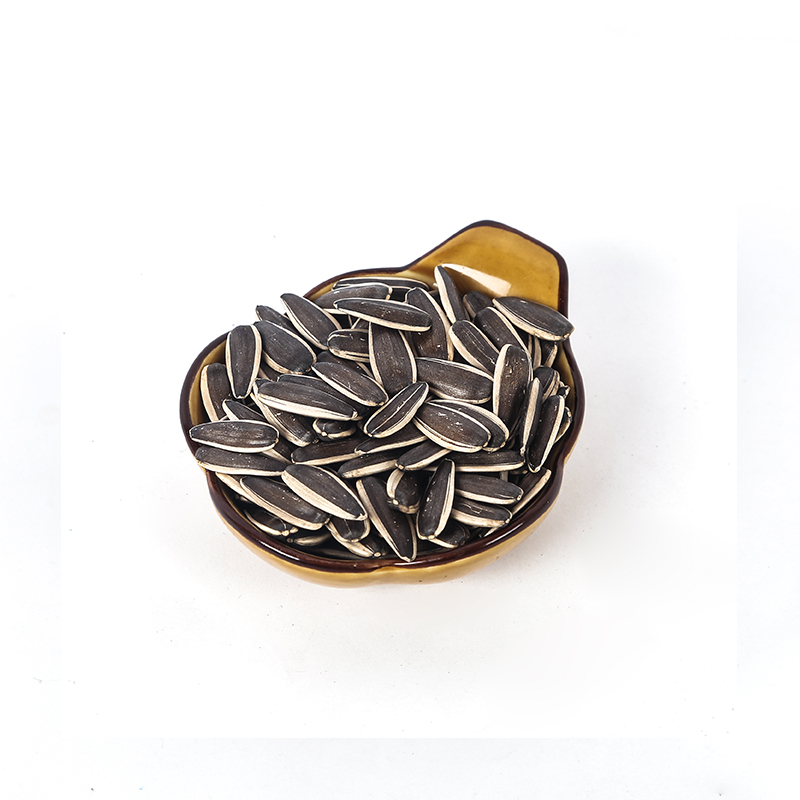
The performance of sunflower seeds, whether for direct consumption or industrial processing, is heavily influenced by physical and mechanical properties. Kernel hardness, measured using impact force testing, dictates dehulling efficiency and milling characteristics. Seed size and shape affect sorting accuracy and packing density. The oil’s viscosity, determined by its fatty acid composition, impacts its suitability for different applications (e.g., edible oil, biodiesel). Environmental resistance primarily concerns moisture uptake and degradation during storage. High humidity promotes lipid oxidation and the development of rancidity, reducing oil quality. Packaging materials with low oxygen transmission rates (OTR) and moisture vapor transmission rates (WVTR) are crucial for maintaining seed quality. Compliance requirements vary by region. In the EU, Regulation (EC) No 1881/2006 sets maximum levels for certain contaminants in foodstuffs, including sunflower seeds. The US FDA regulates oilseed processing and labeling. Engineering considerations include designing efficient dehulling systems that minimize kernel breakage, optimizing oil extraction processes to maximize yield and minimize solvent residue, and developing storage solutions that control temperature and humidity. Fatty acid profiles are often engineered through breeding programs to enhance oxidative stability or tailor the oil's functionality for specific applications, such as high-oleic varieties for extended frying life.
Technical Specifications
| Parameter | Unit | Typical Value (Standard Grade) | High-Oleic Grade |
|---|---|---|---|
| Oil Content | % (Dry Weight Basis) | 42-48 | 50-55 |
| Protein Content | % (Dry Weight Basis) | 18-24 | 19-25 |
| Linoleic Acid (C18:2) | % of Total Fatty Acids | 55-65 | <20 |
| Oleic Acid (C18:1) | % of Total Fatty Acids | 20-35 | 60-75 |
| Moisture Content | % | <9 | <9 |
| Free Fatty Acids (FFA) | % | <1.0 | <0.5 |
Failure Mode & Maintenance
Sunflower seed failure modes encompass several categories. During storage, lipid oxidation leads to rancidity, evidenced by off-flavors and decreased oil quality. This is accelerated by exposure to oxygen, light, and elevated temperatures. Mechanical damage during harvesting, dehulling, or transportation results in kernel breakage, reducing processing efficiency and increasing the risk of microbial contamination. Insect infestation is a significant concern, particularly in warm and humid climates, leading to weight loss and mycotoxin production. Aflatoxin contamination represents a serious health hazard. Degradation of the hull can occur due to prolonged storage or exposure to moisture, reducing its protective function. Maintenance strategies include strict adherence to storage guidelines – maintaining low temperature (<15°C) and humidity (<65%), utilizing airtight storage containers, and implementing regular pest control measures. Proper cleaning and sanitation of processing equipment are essential to prevent microbial growth and cross-contamination. Regular monitoring of oil quality (peroxide value, acid value) is crucial for detecting early signs of oxidation. Implementing a robust Hazard Analysis and Critical Control Points (HACCP) system is vital for preventing and mitigating contamination risks. Quality control measures at each stage of the processing chain, from field to finished product, are paramount.
Industry FAQ
Q: What is the primary driver for the increasing demand for high-oleic sunflower seeds?
A: The primary driver is the food industry’s need for oils with improved oxidative stability, extending the shelf life of fried foods and reducing the formation of unhealthy trans fats. High-oleic acid content significantly enhances resistance to rancidity and degradation at high temperatures.
Q: How do variations in hull thickness impact the dehulling process, and what adjustments are necessary?
A: Increased hull thickness requires greater impact force during dehulling, increasing the risk of kernel damage. Adjustments involve optimizing the dehuller’s settings (impact speed, gap size) and potentially pre-treating the seeds with steam or hot air to soften the hulls.
Q: What are the critical parameters to monitor to ensure the quality of sunflower oil during long-term storage?
A: Key parameters include peroxide value (PV), acid value (AV), and color. An increasing PV indicates oxidation, while an increasing AV suggests hydrolysis. Color changes can indicate degradation or contamination. Regularly monitoring these values allows for proactive quality control measures.
Q: What methods are used to mitigate the risk of aflatoxin contamination in sunflower seeds?
A: Mitigation strategies include pre-harvest practices to minimize insect damage, proper drying to reduce moisture content, storage in airtight containers, and the use of antifungal treatments (where permitted by regulations). Regular testing for aflatoxin levels is also crucial.
Q: How does the geographical origin of sunflower seeds affect their oil quality and fatty acid profile?
A: Geographical origin and growing conditions significantly influence fatty acid composition. Seeds grown in cooler climates generally have higher linoleic acid content, while those grown in warmer climates tend to have higher oleic acid content. Soil composition and irrigation practices also play a role.
Conclusion
Sunflower seeds represent a versatile agricultural commodity with broad applications ranging from food and feed to industrial materials. Achieving optimal performance and quality requires a thorough understanding of their material science, meticulous control of manufacturing processes, and adherence to stringent quality standards. The shift towards high-oleic varieties reflects a growing emphasis on enhancing oil stability and nutritional value.
Future developments will likely focus on breeding programs aimed at improving oil yield, enhancing disease resistance, and developing novel processing techniques that minimize environmental impact. Continuous monitoring of storage conditions and implementation of robust quality control measures are essential to prevent degradation and ensure the safety and efficacy of sunflower seed-derived products.
