Introduction
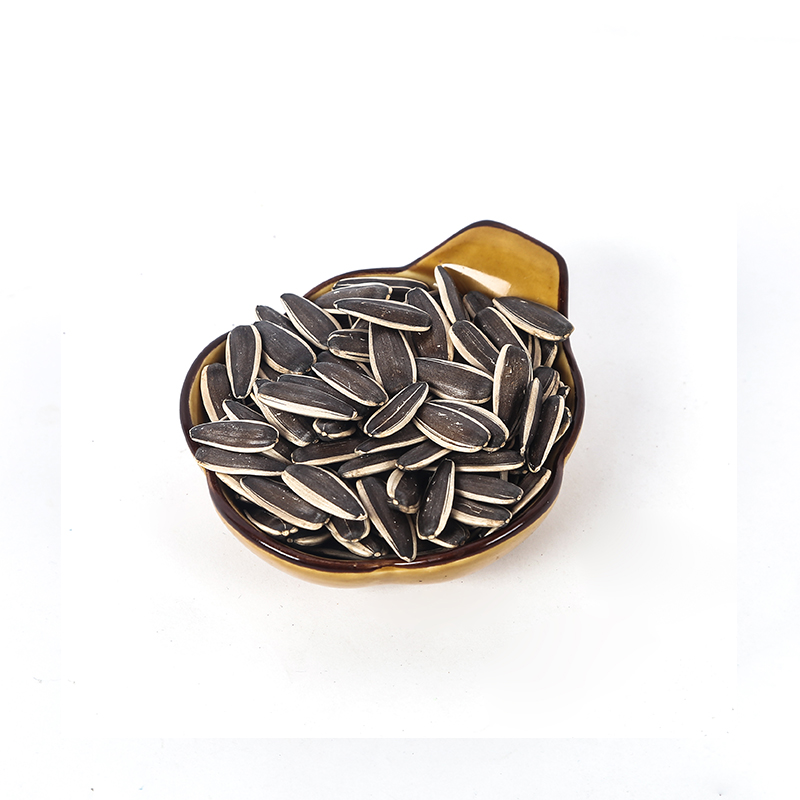
Sunflower seeds, specifically the “no shell” variety, represent a processed food product derived from the Helianthus annuus plant. Positioned within the snack food industry, they constitute a significant portion of the seed-based snack market. This guide details the technical aspects of producing and maintaining quality in hulled sunflower seeds, focusing on aspects crucial for bulk procurement and industrial applications. Core performance characteristics center around oil content, protein content, moisture levels, and the absence of shell fragments, all directly impacting shelf life, processability in further food manufacturing, and consumer acceptability. The industry currently faces challenges in maintaining consistent kernel integrity during de-hulling and ensuring minimal lipid oxidation during storage and distribution. This document provides a comprehensive technical overview for industry professionals responsible for sourcing, processing, and quality control of hulled sunflower seeds.
Material Science & Manufacturing
The primary raw material, sunflower kernels, are composed of approximately 30-50% oil (primarily linoleic acid), 20-25% protein, 15-20% carbohydrate, and 5-10% moisture. The kernel itself is enclosed in a hull, a lignocellulosic material providing physical protection. Manufacturing begins with harvesting mature sunflower heads. De-hulling is typically achieved through a combination of impact and friction using specialized de-hullers. Key parameters in this process include impact velocity, gap size between rotating components, and feed rate. Precise control is vital to minimize kernel damage and maximize hull removal efficiency. Following de-hulling, seeds undergo cleaning to remove residual hull fragments, dust, and foreign materials. This often involves air classification, screening, and gravity separation. Further processing can include grading by size (using screens), color sorting (optical sorters based on reflectance), and surface treatment (e.g., coating with salt or flavorings). Quality control at each stage is paramount. Lipid oxidation is a significant concern; therefore, maintaining low oxygen exposure and utilizing appropriate packaging materials are crucial. The final product's moisture content is typically maintained below 8% to inhibit microbial growth and enzymatic activity, ensuring prolonged shelf stability. Thermal processing, such as roasting or drying, is often applied, impacting flavor development and lipid stability, requiring precise temperature and time control to avoid rancidity.
Performance & Engineering
Performance assessment of hulled sunflower seeds involves evaluating several key parameters. Moisture content directly influences shelf life and susceptibility to microbial spoilage; an optimal range is 6-8%. Oil content, measured via solvent extraction (typically hexane), dictates the caloric density and contributes to the characteristic flavor. Free Fatty Acid (FFA) content, determined through titration, indicates the degree of lipid oxidation; lower FFA values denote better quality and longer shelf life. Kernel breakage, assessed visually or through sieving, reflects the efficiency of the de-hulling process and impacts product appearance. Force analysis during de-hulling involves understanding the compressive and shear forces required to fracture the hull without damaging the kernel. Environmental resistance primarily concerns moisture uptake and lipid oxidation. Packaging materials with low oxygen transmission rates (OTR) and water vapor transmission rates (WVTR) are essential. Compliance requirements include adherence to food safety regulations such as those set by the FDA (US), EFSA (Europe), and relevant national standards. Furthermore, the presence of residual pesticides or heavy metals must comply with established Maximum Residue Limits (MRLs). The engineering design of de-hulling equipment must account for the varying hardness of sunflower varieties and minimize kernel damage during processing.
Technical Specifications
| Parameter | Unit | Typical Value (Range) | Test Method |
|---|---|---|---|
| Moisture Content | % | 6.0 – 8.0 | AOAC 925.10 |
| Oil Content (Dry Basis) | % | 40 – 50 | SOXTEC Method |
| Protein Content (Dry Basis) | % | 20 – 25 | Kjeldahl Method |
| Free Fatty Acids (FFA) | % (as oleic acid) | <0.5 | Titration (AOCS Cd 3-63) |
| Kernel Breakage | % | <5 | Visual Inspection/Sieving |
| Hull Fragments | % | <0.5 | Visual Inspection/Sieving |
Failure Mode & Maintenance
Hulled sunflower seeds are susceptible to several failure modes. Lipid oxidation, leading to rancidity, is a primary concern, manifesting as off-flavors and odors. This is accelerated by exposure to oxygen, light, and elevated temperatures. Kernel cracking or chipping during processing or handling results in reduced visual appeal and increased susceptibility to oxidation. Microbial contamination, particularly with molds and yeasts, can occur if moisture content is not adequately controlled, leading to spoilage and potential mycotoxin production. Delamination of the kernel (separation of the cotyledons) can occur due to mechanical stress or excessive moisture loss. Maintenance practices focus on preventing these failures. Proper storage conditions (cool, dry, dark environment) are critical. Utilizing packaging materials with excellent barrier properties (e.g., metallized films) minimizes oxygen and moisture ingress. Regular monitoring of moisture content and FFA levels is essential for quality control. Equipment maintenance, including cleaning and lubrication of de-hullers and sorting equipment, prevents mechanical damage to the kernels. Implementing a robust Hazard Analysis and Critical Control Points (HACCP) plan helps identify and control potential hazards throughout the production process. Periodic analysis for mycotoxins is also recommended, especially in regions prone to mold growth.
Industry FAQ
Q: What is the impact of sunflower variety on oil content and fatty acid profile?
A: Different sunflower varieties exhibit significant variations in oil content, ranging from 30% to over 50%. Furthermore, the fatty acid profile (linoleic, oleic, stearic acids) is genetically determined. High oleic varieties are increasingly popular due to their improved oxidative stability and longer shelf life, making them preferable for applications requiring prolonged storage or high-temperature processing.
Q: How do you control for Aflatoxin contamination in sunflower seeds?
A: Aflatoxin contamination is a serious concern. Control measures include sourcing seeds from regions with low aflatoxin risk, implementing proper harvesting and drying practices to minimize mold growth, and utilizing effective cleaning and sorting techniques to remove contaminated kernels. Regular testing for aflatoxins using methods like ELISA or HPLC is crucial. Adherence to regulatory limits (e.g., FDA guidelines) is mandatory.
Q: What are the key considerations when selecting packaging materials for hulled sunflower seeds?
A: Packaging materials must provide excellent barrier properties against oxygen, moisture, and light. Metallized films, multi-layer laminates, and high-density polyethylene (HDPE) containers are commonly used. The material should also be food-grade, non-reactive, and capable of maintaining product quality throughout the intended shelf life. Modified Atmosphere Packaging (MAP) with nitrogen flushing can further enhance shelf life by reducing oxygen levels.
Q: What is the role of color sorting in sunflower seed processing?
A: Color sorting utilizes optical sensors to identify and remove discolored or defective kernels. This improves product appearance, removes potentially contaminated seeds, and enhances overall quality. Color sorting can also be used to grade seeds based on their color intensity, indicating maturity or roasting level.
Q: How does temperature control during roasting affect the quality of sunflower seeds?
A: Precise temperature control is vital during roasting. Too low a temperature results in under-roasted seeds with undesirable texture and flavor. Too high a temperature leads to scorching, rancidity, and loss of nutritional value. The ideal roasting temperature range depends on the desired flavor profile and moisture content, but typically falls between 120-160°C. Monitoring moisture content and oil oxidation during roasting is essential to ensure optimal quality.
Conclusion
Hulled sunflower seeds represent a complex agricultural product requiring precise control throughout the entire production chain, from harvesting to packaging. Achieving consistent quality necessitates a deep understanding of the material science of the kernel, the engineering principles of de-hulling and sorting, and the factors influencing lipid oxidation and microbial growth. Proper parameter control during manufacturing, coupled with rigorous quality control measures, is essential to meet industry standards and consumer expectations.
Future trends in sunflower seed processing are likely to focus on optimizing de-hulling efficiency to minimize kernel damage, developing novel packaging materials with improved barrier properties, and utilizing advanced analytical techniques for rapid quality assessment. Adopting sustainable farming practices and minimizing waste generation will also become increasingly important. Continuous innovation in processing technologies will be crucial to maintain competitiveness in the dynamic snack food market.
