Introduction
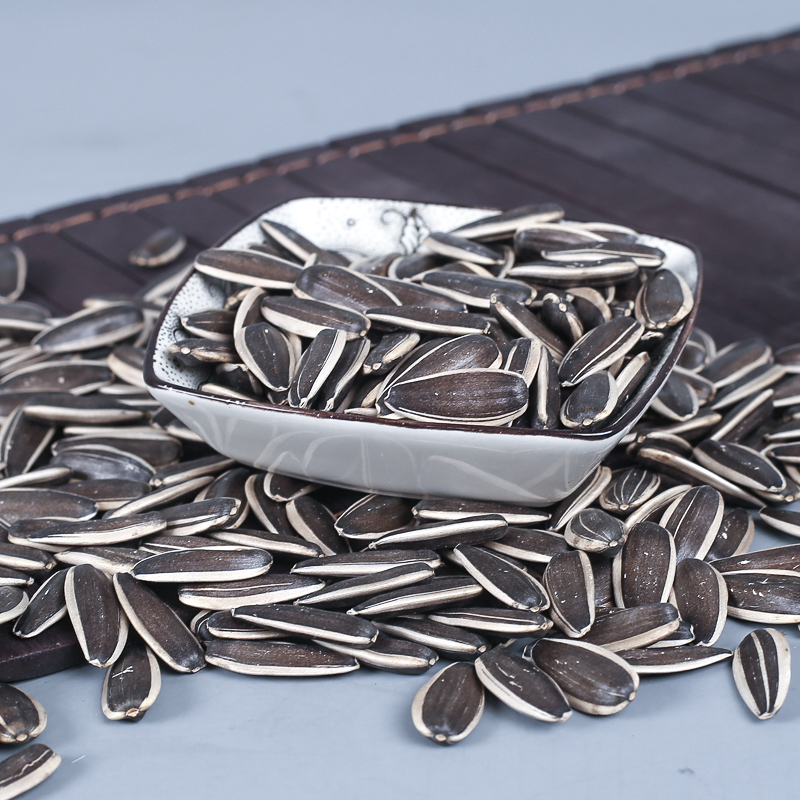
Sunflower seeds, Helianthus annuus, represent a significant agricultural commodity and a crucial component of the edible oil and snack food industries. Their technical position within the food processing chain lies between primary agricultural production and the formulation of finished consumer products. The seeds themselves are technically dicotyledons, exhibiting a complex structure comprising a hull (pericarp), kernel (cotyledon), and embryo. Core performance characteristics center around oil content, protein content, fatty acid profile, and physical attributes like kernel size and density. These parameters directly influence oil extraction efficiency, meal quality for animal feed, and overall product acceptability. Industry pain points revolve around maintaining consistent seed quality – particularly minimizing levels of free fatty acids which accelerate rancidity – optimizing shelling efficiency to reduce kernel damage, and ensuring compliance with increasingly stringent food safety regulations related to mycotoxin contamination.
Material Science & Manufacturing
Sunflower seeds are primarily composed of oil (35-55%), protein (18-25%), carbohydrates (10-20%), and fiber (5-10%). The oil is predominantly comprised of linoleic acid (omega-6) and oleic acid (omega-9), the ratio varying depending on the sunflower variety (high-oleic, mid-oleic, or linoleic). The hull consists largely of cellulose and lignin, providing structural integrity. Manufacturing begins with agricultural practices focusing on seed maturation and harvesting timing. Post-harvest processing involves cleaning, drying (to a moisture content of approximately 9-10% to inhibit mold growth), dehulling, and oil extraction. Dehulling utilizes mechanical methods employing impact and friction, often involving rubber rollers and aspiration systems. Efficient dehulling is critical; excessive force can cause kernel fractures, reducing oil yield. Oil extraction is typically performed via mechanical pressing (expelling) followed by solvent extraction (usually hexane) to maximize oil recovery. Hexane must be rigorously removed to meet food safety standards. Key parameter control during drying involves maintaining temperature below 45°C to prevent protein denaturation and lipid oxidation. Kernel moisture content and hull percentage are continuously monitored throughout the process. The selection of sunflower variety, characterized by specific genetic markers influencing oil content and fatty acid profile, is the initial crucial manufacturing parameter. Seed maturity, determined by hull color and kernel moisture, dictates the efficiency of subsequent processing steps.
Performance & Engineering
The performance of sunflower seeds, from an engineering perspective, centers around their structural integrity under mechanical stress during processing and their resistance to environmental degradation during storage. Force analysis reveals that kernel fracture occurs when the applied force exceeds the material’s tensile strength, influenced by moisture content and existing micro-cracks. Hull strength dictates the efficiency of the dehulling process; stronger hulls require greater energy input, increasing processing costs. Environmental resistance concerns primarily focus on oxidation of unsaturated fatty acids leading to rancidity, and the potential for mycotoxin contamination (aflatoxins, ochratoxins) due to fungal growth during storage. Effective storage necessitates low temperature (below 15°C) and humidity control (below 65%). Compliance requirements include adherence to food safety standards set by organizations like the FDA (US Food and Drug Administration) and EFSA (European Food Safety Authority). These standards dictate permissible levels of contaminants, including heavy metals, pesticides, and mycotoxins. Functional implementation within food formulations requires careful consideration of the seed’s oil content and fatty acid profile to meet specific nutritional objectives. The oil's oxidative stability is crucial for product shelf life; antioxidants are often added to mitigate rancidity. Furthermore, the seed's structural integrity impacts its texture and mouthfeel in snack food applications.
Technical Specifications
| Parameter | Unit | High-Oleic Variety | Linoleic Variety |
|---|---|---|---|
| Oil Content | % (dry weight) | 48-55 | 40-50 |
| Protein Content | % (dry weight) | 20-25 | 20-24 |
| Linoleic Acid (%) | % of total fatty acids | < 3 | 60-75 |
| Oleic Acid (%) | % of total fatty acids | 75-85 | 15-30 |
| Kernel Hardness | N (Newton) | 20-30 | 18-28 |
| Moisture Content (optimal storage) | % | <9 | <9 |
Failure Mode & Maintenance
Sunflower seed failure modes can be categorized into physical damage, chemical degradation, and biological contamination. Physical damage primarily involves kernel fracture during dehulling or handling, reducing oil yield and product quality. Fatigue cracking of the hull can occur due to repeated impact forces. Chemical degradation manifests as lipid oxidation, leading to rancidity and off-flavors. This is accelerated by exposure to oxygen, light, and high temperatures. Monitoring peroxide value (PV) and anisidine value (AV) is crucial for assessing oil oxidation levels. Biological contamination, particularly by fungi, results in mycotoxin production. Aflatoxins are the most common concern, posing a significant health risk. Maintenance of optimal storage conditions – low temperature, low humidity, and proper ventilation – is paramount for preventing failure. Regular inspection for signs of mold growth is essential. Implementing a robust HACCP (Hazard Analysis and Critical Control Points) system throughout the processing chain is crucial. Preventative maintenance of dehulling equipment to minimize kernel damage is also vital. Antioxidant addition during oil extraction and storage can mitigate lipid oxidation. Furthermore, selecting disease-resistant sunflower varieties can reduce the risk of mycotoxin contamination at the source.
Industry FAQ
Q: What is the impact of varying linoleic/oleic acid ratios on the shelf life of sunflower oil?
A: Higher linoleic acid content correlates with shorter shelf life due to its greater susceptibility to oxidation. Oleic acid is more stable, resulting in extended shelf life. High-oleic sunflower oil is preferred for applications where long-term stability is critical, such as frying oils.
Q: How does kernel moisture content affect the dehulling process and oil yield?
A: Optimal kernel moisture content (around 9-10%) is crucial. Too high a moisture content increases the adhesion between the hull and kernel, making dehulling more difficult and increasing kernel damage. Too low a moisture content increases hull brittleness, leading to increased fines and dust during dehulling. Both scenarios reduce oil yield.
Q: What are the key factors contributing to aflatoxin contamination in sunflower seeds?
A: Aflatoxin contamination is primarily caused by Aspergillus flavus and Aspergillus parasiticus fungi. Factors promoting growth include high moisture content, warm temperatures, insect damage, and stress conditions during plant growth (drought, nutrient deficiency). Proper drying and storage practices are essential for minimizing contamination risk.
Q: What methods are used to quantify oil content in sunflower seeds?
A: Oil content is typically determined using Soxhlet extraction with hexane as the solvent. More modern methods include Nuclear Magnetic Resonance (NMR) spectroscopy, which offers a faster and non-destructive analysis. Acidimetric titration can also be used, measuring the amount of free fatty acids produced during saponification.
Q: What role does the hull play in protecting the sunflower seed kernel during storage?
A: The hull provides a physical barrier against moisture uptake, insect infestation, and microbial contamination. While it doesn't completely prevent these factors, it significantly slows down their progress. Intact hulls contribute to longer storage life and better seed quality. Damage to the hull compromises its protective function.
Conclusion
Sunflower seeds represent a complex agro-industrial product requiring meticulous attention to detail throughout the entire processing chain. From the selection of appropriate cultivars based on desired fatty acid profiles to the implementation of stringent quality control measures during drying, dehulling, and oil extraction, each step significantly impacts the final product’s quality, safety, and shelf life. Understanding the material science behind seed structure and the engineering principles governing mechanical processing is vital for optimizing efficiency and minimizing losses.
Future advancements in sunflower seed technology will likely focus on developing improved dehulling techniques to reduce kernel damage, enhancing storage methods to prevent lipid oxidation and mycotoxin contamination, and genetically engineering varieties with increased resistance to stress and disease. Continuous monitoring of key parameters, coupled with adherence to international food safety standards, will remain paramount for ensuring the sustainable production of high-quality sunflower seeds and oil.
