Introduction
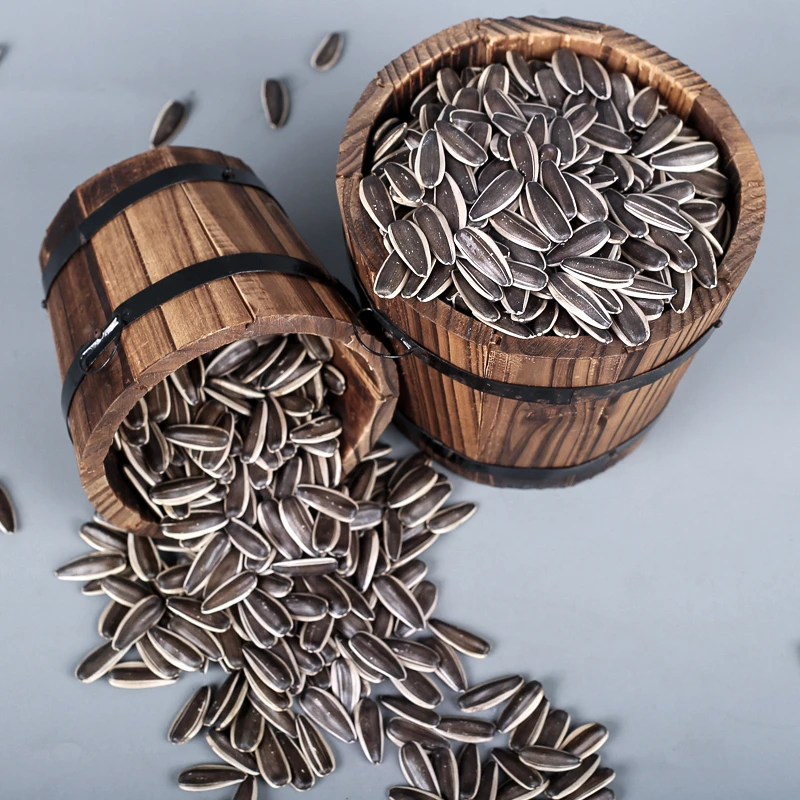
Sunflower seeds, Helianthus annuus, incorporated into salad compositions represent a functional food component increasingly prevalent in the modern diet. While seemingly simple, their application demands a nuanced understanding of lipid oxidation, textural impact on leafy vegetables, and allergen considerations. This guide provides an in-depth technical analysis of sunflower seeds within the context of salad preparation and consumption, detailing material properties, manufacturing considerations relevant to seed quality, performance characteristics in a salad matrix, potential failure modes affecting palatability and nutritional value, and applicable industry standards. Sunflower seeds contribute not only a distinct textural element – a contrasting crunch to softer salad ingredients – but also a significant source of Vitamin E, magnesium, and healthy fats, impacting overall nutritional profile. Their industrial significance lies within the edible oilseed sector, with salad applications representing a value-added downstream market. This guide specifically addresses shelled sunflower seeds intended for direct consumption within salad formulations.
Material Science & Manufacturing
The primary material science considerations revolve around the seed kernel composition – approximately 50-60% oil, 20-30% protein, and 10-20% carbohydrate, along with fiber and trace minerals. The oil composition is critical, largely consisting of linoleic acid (omega-6) and oleic acid (omega-9). Kernel hardness is determined by the ratio of these components and the degree of protein cross-linking. Manufacturing begins with cultivation and harvesting. Post-harvest processing includes drying to a moisture content of approximately 8-10% to inhibit fungal growth and enzymatic activity. De-hulling is mechanically performed, followed by size grading. Critical parameters during de-hulling include impact force and abrasion control to minimize kernel damage, thus reducing rancidity. Roasting, a common pre-salad application, employs convective heat transfer. Temperature control (typically 160-180°C for 20-30 minutes) is paramount; under-roasting leads to suboptimal texture and flavor development, while over-roasting causes lipid degradation and acrylamide formation. Salt addition, if employed, occurs post-roasting, utilizing dry salt application or oil-based coating. Packaging is crucial; nitrogen flushing is often employed to displace oxygen, extending shelf-life by mitigating lipid oxidation. Seed varietals also impact these processes, with high-oleic sunflower seeds exhibiting increased oxidative stability.
Performance & Engineering
The performance of sunflower seeds in salad is primarily defined by textural contribution and retention of nutritional value. Force analysis demonstrates that the shell-fracture strength of a kernel ranges from 5-15 N, impacting the perceived “crunch” factor. This strength is affected by moisture content, roasting degree, and seed variety. Environmental resistance is largely linked to lipid oxidation. Exposure to oxygen, light, and elevated temperatures accelerates rancidity, degrading flavor and reducing Vitamin E content. Compliance requirements are governed by food safety regulations pertaining to mycotoxin levels (aflatoxins) and heavy metal contamination. Functional implementation necessitates careful consideration of seed size and shape to ensure even distribution within the salad matrix. Seed coatings, if applied, must demonstrate compatibility with salad dressings – avoiding dissolution or off-flavor transfer. Furthermore, the hydrophilic nature of carbohydrates on the seed surface can lead to moisture absorption from the salad, altering texture over time. Hydrophobic coatings can mitigate this effect, but must be food-grade and non-toxic. Particle size distribution influences the mouthfeel and requires optimized control for consistent salad performance.
Technical Specifications
| Parameter | Unit | Typical Value | Acceptable Range |
|---|---|---|---|
| Oil Content | % (dry weight) | 50 | 48-55 |
| Moisture Content | % | 8 | 7-10 |
| Free Fatty Acid (FFA) | % (oleic acid) | 0.5 | ≤1.0 |
| Peroxide Value (PV) | meq O2/kg | 3 | ≤5 |
| Aflatoxin B1 | ppb | <2 | ≤5 |
| Kernel Hardness (Fracture Strength) | N | 8 | 5-15 |
Failure Mode & Maintenance
Common failure modes include rancidity, leading to off-flavors and decreased nutritional value. This is primarily driven by lipid oxidation, exacerbated by improper storage (exposure to air, light, and heat). Mechanical damage during processing (de-hulling, roasting) contributes to increased surface area for oxidation. Another failure mode is textural degradation – loss of crunchiness due to moisture absorption from the salad, leading to a soggy texture. This can be mitigated by hydrophobic coatings or optimized packaging. Kernel cracking during handling is a physical failure, reducing aesthetic appeal and potentially generating dust. Furthermore, allergic reactions to sunflower seeds, while less common than peanut or tree nut allergies, represent a significant failure mode from a consumer safety perspective. Maintenance involves proper storage in airtight containers, protected from light and heat. Regular monitoring of peroxide value and FFA levels is recommended to assess lipid oxidation. Implementing strict quality control during processing (de-hulling, roasting) to minimize kernel damage is crucial. Shelf-life studies should be conducted to determine optimal storage conditions. Consumer education regarding potential allergens is also paramount.
Industry FAQ
Q: What is the primary driver of sunflower seed rancidity in a salad context?
A: The primary driver is lipid oxidation initiated by exposure to oxygen, light, and heat. Unsaturated fatty acids, particularly linoleic acid, are susceptible to oxidation, leading to the formation of volatile compounds responsible for rancid flavors. The presence of metal ions can catalyze this process.
Q: How does roasting temperature impact the nutritional content of sunflower seeds?
A: Higher roasting temperatures, while enhancing flavor, can lead to a reduction in Vitamin E content due to its heat sensitivity. Excessive heat can also promote the formation of acrylamide, a potentially harmful compound. Careful temperature control is therefore essential.
Q: What are the critical limits for aflatoxin contamination in sunflower seeds intended for human consumption?
A: Regulatory limits for aflatoxin B1 vary by region. In the US, the FDA limit is 20 ppb. In the EU, the maximum level is 2 µg/kg (equivalent to 2 ppb). Stringent testing protocols are necessary to ensure compliance.
Q: What coating technologies can be employed to prevent moisture absorption and maintain seed crunchiness in a salad?
A: Hydrophobic coatings, such as lecithin-based formulations or thin layers of food-grade waxes, can effectively reduce moisture absorption. These coatings create a barrier, preventing water from penetrating the seed kernel. Ensuring coating evenness is vital for optimal performance.
Q: How does seed varietal impact oxidative stability and shelf-life?
A: High-oleic sunflower seeds contain a higher proportion of oleic acid, a monounsaturated fatty acid less prone to oxidation than linoleic acid. Consequently, high-oleic varieties exhibit superior oxidative stability and extended shelf-life compared to traditional linoleic varieties.
Conclusion
Sunflower seeds contribute a valuable textural and nutritional component to salads, but their successful integration requires careful consideration of material properties, manufacturing processes, and potential degradation mechanisms. Understanding the impact of lipid oxidation, moisture absorption, and mechanical damage is paramount to maintaining product quality and consumer acceptability. Optimizing roasting parameters, employing appropriate packaging strategies (nitrogen flushing, airtight containers), and selecting high-oleic seed varieties can significantly extend shelf-life and preserve nutritional value.
Future research should focus on developing innovative coating technologies that further enhance moisture resistance and oxidative stability, potentially incorporating antioxidant compounds directly into the coating matrix. Furthermore, investigation into the impact of different salad dressing compositions on seed texture and flavor retention would provide valuable insights for optimizing salad formulations. Continued adherence to stringent quality control measures and regulatory standards is essential for ensuring food safety and consumer confidence.
