Introduction
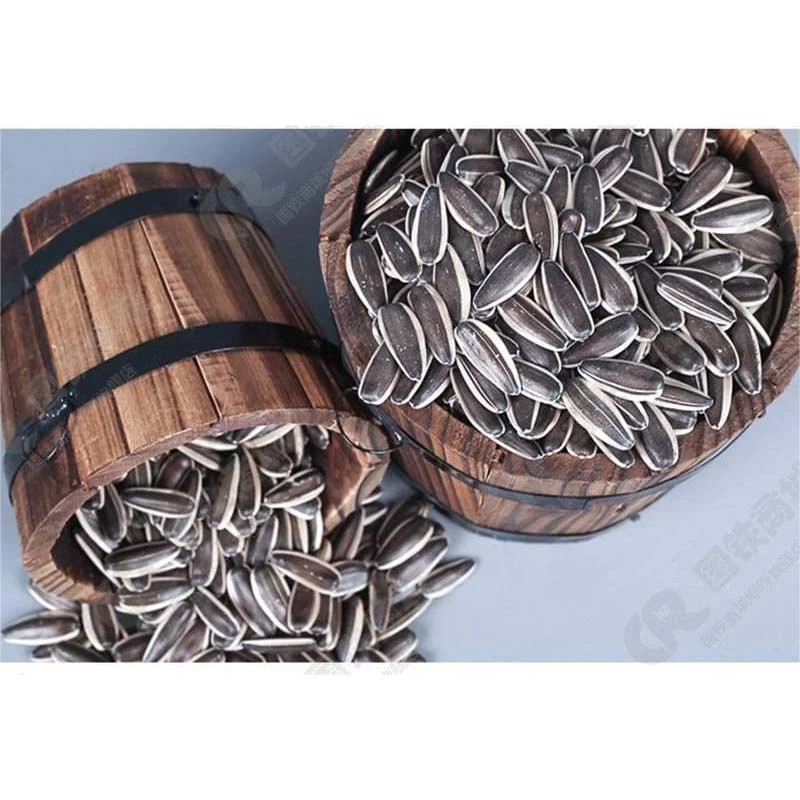
Sunflower seeds ( Helianthus annuus) in bulk sale represent a significant commodity within the food processing, animal feed, and increasingly, the biofuel industries. Their technical position in the supply chain is multifaceted, ranging from raw agricultural product requiring rigorous post-harvest handling to a crucial ingredient demanding precise quality control for specific applications. The core performance characteristics defining bulk sunflower seed value are oil content, protein concentration, hull percentage, moisture content, and the absence of foreign material and mycotoxins. This guide provides an in-depth examination of these aspects, covering material science, manufacturing considerations, performance parameters, potential failure modes, and applicable industry standards relevant to the procurement and utilization of sunflower seeds in large-volume applications. A key pain point in the industry is maintaining consistent quality across large batches, influenced heavily by growing conditions, harvesting techniques, and storage protocols. Another critical concern is mitigating the risk of aflatoxin contamination, particularly in regions with warmer, humid climates.
Material Science & Manufacturing
Sunflower seeds are primarily composed of three distinct fractions: the kernel (cotyledon), the hull (pericarp), and the embryonic root. The kernel contains approximately 40-55% oil, primarily linoleic acid (omega-6) and oleic acid (omega-9), along with 20-25% protein and 10-15% carbohydrate. The hull, a fibrous outer layer, contributes to the overall bulk density and is typically around 20-30% of the seed weight. The manufacturing process begins with field harvesting, typically employing combine harvesters. Parameter control during harvesting is vital; minimizing mechanical damage to the kernel prevents lipid oxidation and reduces the risk of mycotoxin development. Post-harvest processing includes cleaning (removal of stems, leaves, and other debris), drying (reducing moisture content to 8-10% to inhibit microbial growth), dehulling (removal of the hull, which may be partial or complete depending on the intended application), and sorting (based on size and quality). The drying process is critical; rapid, controlled drying is preferable to sun-drying, which can lead to uneven moisture distribution and increased spoilage. Dehulling utilizes mechanical abrasion and air separation. Kernel oil content is profoundly affected by the genotype of the sunflower variety, growing conditions (temperature, rainfall, sunlight exposure), and the maturity stage at harvest. Protein composition also varies, impacting nutritional value and processing characteristics. Moisture content, determined via dielectric methods, directly affects storability and susceptibility to fungal growth.

Performance & Engineering
The performance of sunflower seeds, particularly in bulk handling, is governed by their physical properties. Bulk density, typically ranging from 500-700 kg/m³, influences storage capacity and conveying system design. Angle of repose, averaging around 30-40 degrees, dictates the stability of seed piles and the efficiency of unloading operations. The coefficient of friction against various materials (steel, plastic) impacts the flowability within conveying systems, requiring careful consideration of surface treatments and hopper designs. Environmental resistance is paramount; exposure to moisture, temperature fluctuations, and oxygen accelerates lipid oxidation, leading to rancidity and reduced oil quality. Packaging materials with low oxygen transmission rates (OTR) and moisture vapor transmission rates (WVTR) are essential for preserving seed quality during storage. Compliance requirements vary based on intended use. For human consumption, stringent regulations regarding aflatoxin levels (typically <20 ppb) and pesticide residues are enforced. For animal feed, regulations focus on nutritional content and the absence of harmful contaminants. In biofuel production, seed oil purity and consistency are critical parameters affecting biodiesel yield and quality. The hull’s structural integrity and resistance to fracturing impacts the efficiency of dehulling operations. Fatigue cracking during handling can generate dust and contribute to seed loss.
Technical Specifications
| Parameter | Unit | Typical Range | Test Method |
|---|---|---|---|
| Oil Content (Dry Basis) | % | 40-55 | Soxhlet Extraction (AOCS Official Method) |
| Protein Content (Dry Basis) | % | 20-25 | Kjeldahl Method (AOCS Official Method) |
| Moisture Content | % | 8-10 | Oven Drying (AACC Method 915.1) |
| Hull Percentage | % | 20-30 | Mechanical Separation & Weighing |
| Foreign Material | % | <1.0 | Visual Inspection & Sorting |
| Aflatoxin Level | ppb | <20 | ELISA or HPLC (AOAC Official Method) |
Failure Mode & Maintenance
Sunflower seeds are susceptible to several failure modes during storage and handling. Lipid oxidation, triggered by exposure to oxygen, light, and elevated temperatures, results in rancidity, reduced oil quality, and the formation of undesirable volatile compounds. Mycotoxin contamination, particularly by Aspergillus species, is a major concern, especially in warm, humid climates. Physical damage to the kernel during harvesting, dehulling, or conveying can increase susceptibility to fungal infection and reduce oil yield. Hull cracking and breakage contribute to dust formation and seed loss. Delamination of the kernel during processing indicates excessive moisture or improper handling. Maintenance strategies focus on minimizing exposure to adverse environmental conditions. This includes storing seeds in cool, dry, and well-ventilated facilities. Regular monitoring of moisture content and aflatoxin levels is crucial. Implementing a robust cleaning and sorting process removes foreign material and damaged seeds. Properly designed conveying systems minimize mechanical damage. Insect infestations can be prevented through regular sanitation and the use of approved insecticides. Preventative maintenance on processing equipment ensures optimal performance and reduces the risk of kernel damage. Long-term storage requires inert gas blanketing (e.g., nitrogen) to reduce oxygen levels and preserve oil quality.
Industry FAQ
Q: What is the primary factor affecting sunflower seed oil quality during bulk storage?
A: The primary factor is oxidation of the unsaturated fatty acids within the oil. This is accelerated by exposure to oxygen, light, and elevated temperatures. Maintaining low oxygen levels (through inert gas blanketing) and storing seeds in a cool, dark environment are crucial for preserving oil quality.
Q: How is aflatoxin contamination typically mitigated in bulk sunflower seed shipments?
A: Mitigation involves stringent quality control measures at all stages, from pre-harvest monitoring of fields to post-harvest drying and storage. Rapid and thorough drying to reduce moisture content below 10% is critical. Regular testing for aflatoxin levels using ELISA or HPLC methods is essential. Rejecting contaminated batches and implementing preventative measures against insect damage (which can introduce Aspergillus spores) are also vital.
Q: What is the significance of hull percentage in sunflower seed specifications?
A: Hull percentage affects the overall bulk density of the seeds, impacting storage capacity and transportation costs. It also influences the efficiency of oil extraction; higher hull content typically reduces oil yield. For applications requiring high oil content, such as biodiesel production, lower hull percentages are preferred.
Q: What mechanical properties are important to consider when designing a bulk handling system for sunflower seeds?
A: Bulk density, angle of repose, and coefficient of friction are critical mechanical properties. These parameters dictate the flowability of the seeds within the system and influence the design of hoppers, conveyors, and unloading mechanisms. Minimizing impact and abrasion during handling is also important to prevent kernel damage.
Q: What are the implications of varying moisture content on the long-term storage of sunflower seeds?
A: Excessive moisture content promotes microbial growth, leading to spoilage, reduced oil quality, and potential mycotoxin contamination. It also increases the risk of seed clumping and hinders flowability. Maintaining a moisture content of 8-10% is essential for ensuring long-term storability.
Conclusion
Sunflower seeds in bulk sale present a complex set of technical challenges, encompassing material science, manufacturing process control, and quality assurance. Maintaining consistent oil content, minimizing aflatoxin contamination, and preserving kernel integrity are paramount for ensuring product value and meeting stringent industry regulations. Understanding the interplay between physical properties, environmental factors, and processing parameters is crucial for optimizing storage, handling, and utilization of this important agricultural commodity.
Effective mitigation of potential failure modes relies on a proactive approach to quality control, encompassing rigorous testing, optimized storage conditions, and preventative maintenance of processing equipment. Continued research and development in areas such as seed genetics, harvesting techniques, and packaging materials will further enhance the quality and sustainability of sunflower seed production and utilization.
