Introduction
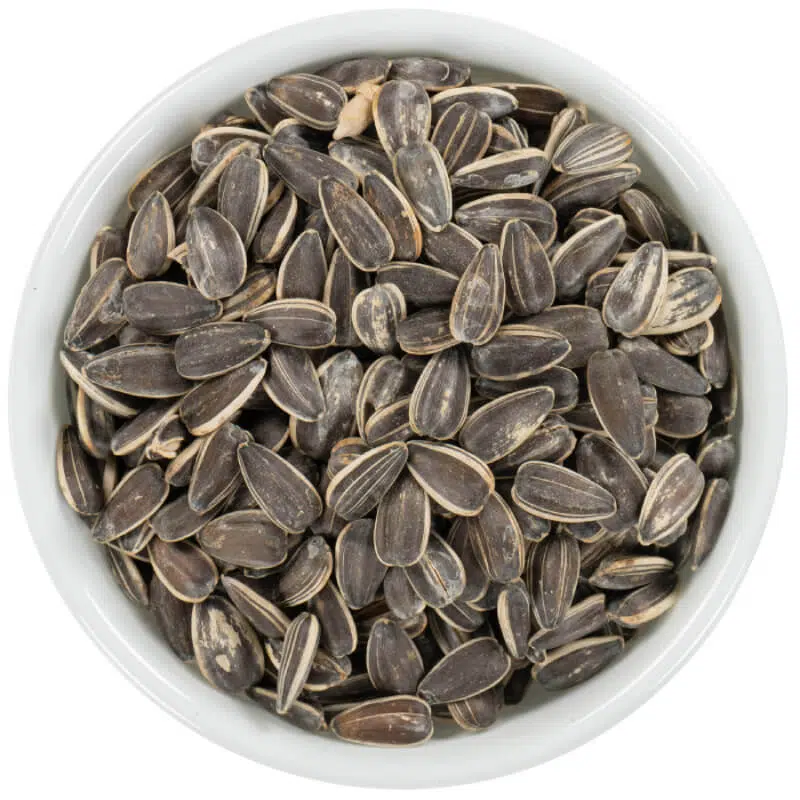
Sunflower seeds in bulk represent a significant commodity within the agricultural supply chain, serving as a crucial input for food processing, animal feed, and oil extraction industries. Technically classified as the fruit of the Helianthus annuus plant, bulk sunflower seeds are characterized by their oil content (typically 40-50% by weight), protein profile, and fatty acid composition. Their positioning within the industry chain commences with agricultural production, followed by harvesting, drying, dehulling (often, but not always), grading, and finally, bulk packaging and distribution. Understanding the nuances of seed quality, including oil content, moisture levels, and foreign material contamination, is paramount for maintaining product integrity and optimizing downstream processing efficiencies. Core performance considerations revolve around consistent oil yield, minimal aflatoxin presence, and adherence to international food safety standards. This guide will detail the material science, manufacturing, performance characteristics, potential failure modes, and relevant standards pertaining to sunflower seeds in bulk.
Material Science & Manufacturing
The primary material science of sunflower seeds revolves around their biochemical composition. The kernel consists of a protein matrix, carbohydrates, lipids (primarily triglycerides), and various micronutrients. The hull, or pericarp, is composed primarily of cellulose and lignin, providing structural integrity. Seed oil composition varies depending on cultivar, growing conditions, and post-harvest processing. Linoleic acid (a polyunsaturated omega-6 fatty acid) typically constitutes the majority, followed by oleic acid (a monounsaturated fatty acid). The oil's oxidative stability is a key quality parameter, influenced by the proportion of these fatty acids and the presence of natural antioxidants like Vitamin E.
Manufacturing processes begin with field harvesting, traditionally mechanical, impacting seed damage and foreign material inclusion. Post-harvest drying is critical, typically employing forced-air systems to reduce moisture content from 20-30% to 8-10%. This prevents fungal growth and preserves oil quality. Dehulling, the removal of the pericarp, is a common process, although seeds can be processed ‘in-hull.’ Dehulling machinery utilizes impact or friction to separate the kernel. Grading is performed based on seed size, density, and color, removing broken kernels, foreign matter (stems, leaves, stones), and damaged seeds. Optical sorting technologies, employing computer vision, are increasingly utilized for high-precision grading. Bulk packaging utilizes breathable, food-grade polypropylene bags designed to maintain airflow and prevent moisture buildup. Parameter control during drying (temperature, airflow, duration) and dehulling (impact force, rotational speed) are vital to prevent lipid oxidation and kernel damage. Maintaining strict hygiene throughout the entire process is essential to minimize microbial contamination, particularly aflatoxin-producing fungi.
Performance & Engineering
Performance evaluation of bulk sunflower seeds centers on several key attributes. Oil yield, expressed as a percentage of seed weight, is a critical economic factor. This is determined through solvent extraction (typically hexane) and measured by analytical techniques such as Nuclear Magnetic Resonance (NMR). Moisture content significantly affects storage stability and processing efficiency. Excessive moisture encourages fungal growth, while insufficient moisture can lead to kernel breakage during processing. The Water Activity (Aw) value, a measure of unbound water, is a critical parameter controlled to minimize microbial growth. Aflatoxin levels, produced by Aspergillus flavus and Aspergillus parasiticus, are a major food safety concern. Regulatory limits are stringent, necessitating rigorous testing using ELISA or HPLC methods. Seed hardness (measured using a penetrometer) influences dehulling efficiency and kernel damage. Bulk density, impacting storage and transportation costs, is determined by standardized cup testing methods. Resistance to oxidative rancidity, assessed by measuring Peroxide Value (PV) and Anisidine Value (AV), dictates shelf life and product quality. Force analysis during dehulling focuses on minimizing kernel breakage while effectively removing the pericarp; this requires precise control of impact forces and machine calibration.
Technical Specifications
| Parameter | Unit | Typical Range | Test Method |
|---|---|---|---|
| Oil Content | % (weight) | 40-50 | SOXTEC, NMR |
| Moisture Content | % (weight) | 8-10 | Oven Drying (AOAC 925.10) |
| Aflatoxin B1 | ppb | < 20 | ELISA, HPLC |
| Foreign Matter | % (weight) | < 1 | Visual Inspection, Sieving |
| Broken Kernels/Damage | % (weight) | < 3 | Visual Inspection, Sieving |
| Acid Value | mg KOH/g | < 1.5 | Titration (AOCS Cd 3-25) |
Failure Mode & Maintenance
Sunflower seeds in bulk are susceptible to several failure modes. Lipid oxidation, leading to rancidity and off-flavors, is a primary concern, accelerated by exposure to oxygen, light, and high temperatures. This manifests as increased Peroxide Value and Anisidine Value. Aflatoxin contamination, arising from fungal growth during storage, represents a serious health hazard. Mechanical damage during harvesting, dehulling, and handling leads to broken kernels and increased susceptibility to insect infestation and microbial spoilage. Insect infestation (e.g., Sitophilus oryzae – rice weevil) can cause significant product loss and contamination. Moisture absorption during storage can induce fungal growth and deterioration of oil quality.
Preventative maintenance includes proper drying to optimal moisture levels, controlled-atmosphere storage (reducing oxygen levels), regular inspection for insect activity, and effective pest control measures. Maintaining hygienic storage conditions (clean, dry, well-ventilated) is crucial. Monitoring temperature and humidity levels during storage is essential. Routine testing for aflatoxins and oil quality parameters (PV, AV) is recommended. Implementing a First-In, First-Out (FIFO) inventory management system minimizes storage duration. For mechanical equipment, regular cleaning, lubrication, and calibration are essential to prevent damage to kernels and maintain processing efficiency. Periodic inspection of storage facilities for structural integrity and pest entry points is vital.
Industry FAQ
Q: What are the key differences between high-oleic and standard linoleic sunflower seeds and how does this impact their applications?
A: High-oleic sunflower seeds contain a significantly higher proportion of oleic acid (typically >70%) compared to standard linoleic seeds (typically 30-40% oleic). This increased oleic acid content confers greater oxidative stability, resulting in a longer shelf life and suitability for high-heat frying applications. Standard linoleic seeds are more commonly used in salad oils and applications where oxidative stability is less critical.
Q: How is aflatoxin contamination minimized in bulk sunflower seed production and storage?
A: Aflatoxin contamination is minimized through a multi-faceted approach. This includes utilizing disease-resistant cultivars, practicing proper pre-harvest irrigation management to minimize plant stress, harvesting promptly to avoid prolonged field exposure, thorough drying to reduce moisture content below 10%, implementing rigorous cleaning and grading procedures to remove contaminated seeds, and utilizing controlled-atmosphere storage to inhibit fungal growth.
Q: What is the significance of the Water Activity (Aw) value in sunflower seed storage?
A: Water Activity (Aw) is a crucial parameter as it indicates the amount of unbound water available for microbial growth. Lowering Aw inhibits the growth of fungi, including Aspergillus species that produce aflatoxins. Maintaining an Aw below 0.70 is generally recommended for long-term sunflower seed storage.
Q: What quality control checks are typically performed on incoming bulk sunflower seed shipments?
A: Incoming shipments typically undergo a battery of quality control checks including moisture content analysis, foreign matter inspection, assessment of broken kernels and damage, oil content determination, and aflatoxin testing. Visual inspection for pest infestation and off-odors is also conducted.
Q: What are the advantages and disadvantages of processing sunflower seeds in-hull versus dehulled?
A: Processing in-hull retains beneficial fiber and nutrients present in the pericarp, offering a nutritional advantage. However, in-hull processing can result in lower oil yield and potential bitterness due to compounds in the hull. Dehulled seeds provide a higher oil yield and cleaner flavor profile but require an additional processing step and may result in some nutrient loss.
Conclusion
Sunflower seeds in bulk represent a complex agricultural commodity demanding meticulous attention to material science, manufacturing processes, and quality control measures. Maintaining optimal moisture content, preventing aflatoxin contamination, and preserving oil quality are paramount to ensuring product safety, maximizing yield, and meeting stringent industry standards. Effective storage and handling protocols, coupled with comprehensive analytical testing, are essential throughout the supply chain.
Looking forward, advancements in optical sorting technologies, predictive modeling for aflatoxin risk assessment, and the development of more robust, disease-resistant sunflower cultivars hold the potential to further enhance the quality and safety of bulk sunflower seeds. Continued investment in research and development focused on optimizing post-harvest handling and storage practices is critical to securing a sustainable and reliable supply of this valuable agricultural resource.
