Introduction
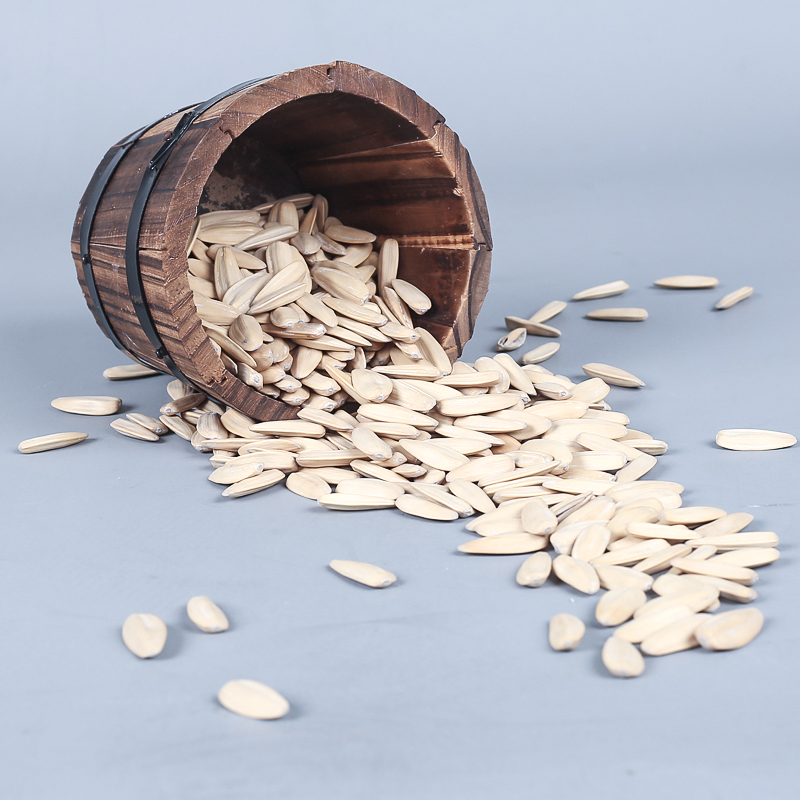
Sunflower seeds (Helianthus annuus) represent a significant commodity in the agricultural sector, valued for their oil content, nutritional profile, and versatility in both food and industrial applications. This technical guide focuses on the attributes defining “high quality” sunflower seeds within the context of B2B industrial applications, extending beyond simple food-grade criteria. The price of sunflower seeds is heavily influenced by oil yield, protein content, kernel size, and impurity levels. These factors directly impact the efficiency of oil extraction, the quality of resulting oil, and the suitability for various industrial processing pathways. This analysis will detail the key parameters governing quality, manufacturing processes impacting these parameters, and potential failure modes that affect value. The industrial chain positions sunflower seeds as a primary feedstock for edible oil production, livestock feed, and increasingly, biofuels and biopolymers. Quality control at each stage, from harvest to processing, is paramount to maximizing economic returns and maintaining consistent product performance.
Material Science & Manufacturing
The primary material science considerations revolve around the composition of the sunflower seed kernel. Approximately 40-50% of the kernel weight is oil, primarily composed of linoleic acid (a polyunsaturated omega-6 fatty acid), oleic acid (a monounsaturated omega-9 fatty acid), and palmitic acid (a saturated fatty acid). The oil's quality is dictated by the fatty acid profile and the presence of minor components like tocopherols (Vitamin E) which act as natural antioxidants. The kernel also contains approximately 20-30% protein, mainly consisting of globulins and albumins, and 10-20% carbohydrates, primarily starch. The hull, comprising roughly 30-40% of the seed’s weight, consists of cellulose, hemicellulose, and lignin. Manufacturing begins with seed selection, typically utilizing hybrid varieties bred for high oil content and disease resistance. Harvesting methods – mechanical versus manual – impact kernel damage and field contamination. Post-harvest drying is critical; moisture content must be reduced to approximately 9-10% to prevent mold growth and lipid peroxidation. Drying temperature is a key parameter, with excessive heat leading to protein denaturation and reduced oil quality. Dehulling is a common process, though some industrial applications utilize whole seeds. Kernel sizing and sorting, often employing optical sorting technology, remove damaged kernels, foreign matter, and seeds outside the desired size range. Quality control during these processes relies on near-infrared spectroscopy (NIRS) to assess oil content and fatty acid composition, and visual inspection for physical defects.
Performance & Engineering
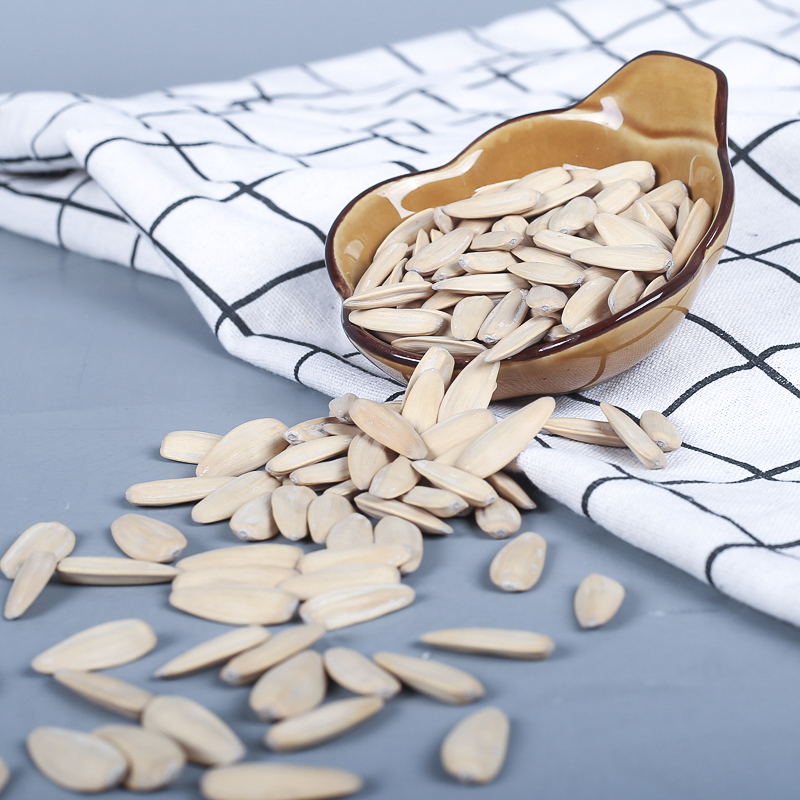
Performance metrics for sunflower seeds in industrial applications extend beyond compositional analysis. For oil extraction, the seed’s resistance to crushing and its subsequent oil release efficiency are crucial. Particle size distribution after crushing impacts extraction rates. The hull’s strength influences dehulling efficiency and the amount of fines generated, which can hinder oil clarification. In livestock feed applications, digestibility of the kernel’s protein and oil are paramount. This is influenced by the degree of processing (e.g., extrusion, flaking) and the presence of anti-nutritional factors. Environmental resistance during storage is a significant concern. Sunflower seeds are susceptible to aflatoxin contamination by Aspergillus species, particularly under high humidity and temperature conditions. Proper storage ventilation and the use of antifungal agents are essential for maintaining quality. Compliance requirements vary by region, but generally adhere to standards set by organizations like the Codex Alimentarius Commission, outlining maximum permissible levels of contaminants (e.g., heavy metals, pesticides) and mycotoxins. The oil's oxidative stability, measured by Rancimat testing, is critical for determining shelf life and suitability for high-temperature applications. Force analysis during crushing reveals the energy required for oil release, directly correlating with processing costs. Thermal stability during oil refining processes dictates the oil's final quality and color.
Technical Specifications
| Parameter | Units | High Quality Specification | Typical Range (Lower Quality) |
|---|---|---|---|
| Oil Content (Dry Basis) | % | ≥ 48% | 40-48% |
| Kernel Moisture Content | % | ≤ 9% | 9-12% |
| Free Fatty Acids (FFA) | % | ≤ 1.0% | 1.0-2.0% |
| Peroxide Value | meq O2/kg | ≤ 10 | 10-20 |
| Kernel Damage (Broken/Imperfect) | % | ≤ 2% | 2-5% |
| Foreign Matter (FM) | % | ≤ 1% | 1-3% |
Failure Mode & Maintenance
Failure modes in sunflower seed quality typically manifest as degradation of oil, protein, and kernel structure. Lipid oxidation, driven by exposure to oxygen, light, and heat, leads to rancidity and reduced oil quality. This is indicated by elevated peroxide values and FFA levels. Protein denaturation, caused by excessive heat during drying or storage, reduces digestibility and nutritional value. Physical damage to the kernel (cracking, chipping) increases susceptibility to mold growth and insect infestation. Aflatoxin contamination represents a serious failure mode, rendering the seeds unusable for food and feed applications. Maintenance of quality requires strict adherence to storage protocols: cool, dry, and well-ventilated conditions are essential. Regular monitoring of temperature and humidity is crucial. Implementing a robust cleaning and grading system minimizes foreign matter and damaged seeds. Application of appropriate storage protectants (e.g., fungicides) can mitigate mold growth, but must comply with relevant regulations. Preventative maintenance of drying and processing equipment ensures consistent operation and minimizes kernel damage. Periodic laboratory analysis for oil quality, protein content, and mycotoxin levels provides early warning of potential failures. Proper inventory rotation (FIFO - First In, First Out) minimizes storage time and reduces the risk of degradation.
Industry FAQ
Q: What is the impact of different sunflower varieties on oil yield and fatty acid composition?
A: Different sunflower varieties are specifically bred for different oil profiles. High oleic varieties, for example, contain >80% oleic acid, offering superior oxidative stability and suitability for high-temperature frying. Linoleic varieties are more common but have a shorter shelf life. Oil yield varies significantly by variety; modern hybrids can achieve yields exceeding 45% on a dry basis. Seed size and hull thickness also vary, impacting processing efficiency.
Q: How does the dehulling process affect the subsequent oil extraction efficiency?
A: Efficient dehulling is critical. Residual hull material increases the volume of material to be processed, reduces oil concentration, and can interfere with oil extraction. Complete dehulling also reduces the formation of fines, which can cause clogging in extraction equipment. Optimized dehulling minimizes damage to the kernel, preserving oil quality.
Q: What analytical methods are used to determine the quality of sunflower seed oil?
A: Common analytical methods include gas chromatography (GC) for fatty acid profiling, spectrophotometry for measuring color and clarity, Rancimat testing for oxidative stability, and acid value determination for assessing free fatty acid content. Peroxide value is also routinely measured to assess the extent of oxidation. NIRS provides a rapid and non-destructive method for estimating oil content and key quality parameters.
Q: What are the primary concerns regarding aflatoxin contamination, and how can it be mitigated?
A: Aflatoxins are potent carcinogens produced by Aspergillus molds. Contamination is favored by high humidity and temperature during storage. Mitigation strategies include proper drying to reduce moisture content, ensuring adequate ventilation, applying antifungal treatments (where permitted by regulations), and implementing rigorous quality control testing.
Q: How does the price of sunflower seeds correlate with global vegetable oil markets?
A: The price of sunflower seeds is strongly correlated with the prices of other vegetable oils (soybean, canola, palm oil) due to their substitutability in various applications. Global supply and demand dynamics, weather patterns impacting harvests in major producing regions (e.g., Ukraine, Russia, Argentina), and geopolitical factors all influence pricing.
Conclusion
High-quality sunflower seeds are defined by a complex interplay of compositional, physical, and chemical characteristics, exceeding basic food-grade standards for industrial applications. Maintaining this quality requires diligent control throughout the entire value chain – from breeding and harvesting to drying, dehulling, storage, and processing. The price of these seeds is directly linked to these quality parameters, specifically oil yield, impurity levels, and the preservation of beneficial compounds.
Effective quality assurance programs, incorporating robust analytical testing, preventative maintenance, and adherence to international standards, are crucial for maximizing economic returns and ensuring consistent product performance. Continued research into breeding improved varieties, optimizing processing techniques, and developing novel storage solutions will further enhance the value and sustainability of the sunflower seed industry.
