Introduction
Sunflower seeds, Helianthus annuus, represent a significant agricultural commodity and human food source, with quality variations impacting nutritional profile and processing characteristics. This guide focuses on high-quality sunflower seeds, defining quality by kernel size, oil content, protein concentration, and minimal levels of contaminants. The primary carbohydrate component is non-starch polysaccharides, largely cellulose, hemicellulose, and pectin within the seed coat. Understanding carbohydrate composition is crucial for nutritional labeling, food processing applications (e.g., confectionary, oil extraction), and assessing digestibility. In the food industry, managing carbohydrate levels impacts glycemic index and suitability for various dietary requirements. This technical overview will detail the material science of sunflower seeds, the manufacturing processes affecting carbohydrate content, performance characteristics relevant to processing, potential failure modes during storage, and relevant industry standards.
Material Science & Manufacturing
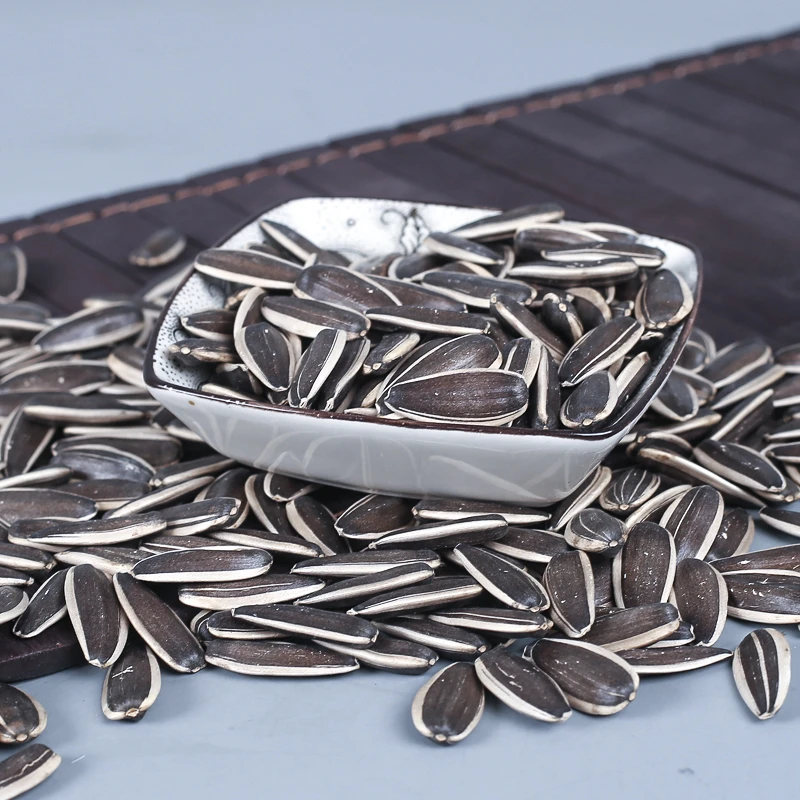
Sunflower seeds are dicotyledonous seeds composed of a hull (pericarp), kernel (cotyledon), and embryo. The carbohydrate content resides predominantly within the hull and the kernel. The hull is approximately 30-50% cellulose and hemicellulose, providing structural integrity. Kernels contain approximately 20-30% carbohydrates, primarily as non-starch polysaccharides (NSP) and a smaller proportion of simple sugars. The oil content (40-50% in high-quality seeds) dramatically influences the carbohydrate-to-oil ratio. Manufacturing begins with harvesting, followed by drying to reduce moisture content from approximately 30-40% to 8-10% to prevent fungal growth and enzymatic degradation of carbohydrates. De-hulling is a critical step, mechanically removing the hull. This process impacts carbohydrate content; complete removal minimizes hull-derived carbohydrates. Grading based on kernel size and density follows. Oil extraction, either through mechanical pressing or solvent extraction (hexane), does not directly alter the carbohydrate content of the remaining seed meal but influences the overall nutritional profile. Key parameters controlled during manufacturing include drying temperature (to prevent Maillard reactions impacting carbohydrate structure), de-hulling efficiency (influencing carbohydrate content), and storage humidity (controlling microbial activity affecting carbohydrate breakdown). Seed variety also significantly influences carbohydrate composition, with confectionery varieties generally exhibiting lower hull proportions and different NSP profiles than oilseed varieties.
Performance & Engineering
The mechanical properties of sunflower seeds are directly related to their carbohydrate content and structural integrity. The hull's cellulose and hemicellulose content contribute to its tensile strength and resistance to cracking during processing. Engineers designing de-hulling equipment must account for variations in hull thickness and carbohydrate composition to optimize cracking force and minimize kernel damage. The carbohydrate matrix also influences water absorption during cleaning and soaking processes. Environmental resistance is primarily affected by hull integrity; a compromised hull allows moisture ingress, promoting microbial growth and enzymatic hydrolysis of carbohydrates. Compliance requirements involve regulations on mycotoxin levels (aflatoxins, produced by Aspergillus species), which can develop when carbohydrates are hydrolyzed by microbial activity. The seed’s ability to withstand the pressures of oil extraction (mechanical pressing or solvent exposure) is also related to its structural carbohydrate network. Fiber content, representing the insoluble carbohydrate fraction, contributes to the seed meal’s bulk density and handling characteristics during subsequent processing (e.g., animal feed production). Assessing carbohydrate digestibility, quantified by in vitro enzymatic hydrolysis rates, is crucial for determining nutritional value and formulating appropriate feed rations.
Technical Specifications
| Parameter | Unit | High-Quality Sunflower Seed (Typical Range) | Lower Quality Sunflower Seed (Typical Range) |
|---|---|---|---|
| Total Carbohydrate Content | % (Dry Weight) | 20-30 | 15-25 |
| Non-Starch Polysaccharide (NSP) Content | % (Dry Weight) | 18-28 | 12-22 |
| Hull Percentage | % (Weight) | 20-30 | 30-40 |
| Moisture Content | % (Weight) | 8-10 | >12 |
| Oil Content | % (Dry Weight) | 40-50 | 30-40 |
| Kernel Hardness | N (Newtons) | 60-80 | 40-60 |
Failure Mode & Maintenance
Sunflower seeds are susceptible to several failure modes related to carbohydrate degradation. Lipid peroxidation, initiated by unsaturated fatty acids, can generate reactive oxygen species that degrade carbohydrates. Hydrolytic rancidity, catalyzed by enzymes (lipases and carbohydrases), breaks down lipids and carbohydrates, leading to off-flavors and reduced nutritional value. Microbial growth, particularly molds like Aspergillus, utilizes carbohydrates as a substrate, producing mycotoxins (aflatoxins) that pose health risks. Physical damage to the hull during harvesting or processing increases susceptibility to moisture absorption and microbial attack. Insect infestation can also compromise hull integrity and promote carbohydrate degradation. Maintenance strategies include controlled storage conditions (low temperature and humidity), proper cleaning and sanitation of processing equipment, and implementation of integrated pest management programs. Packaging materials with low oxygen permeability are crucial to prevent oxidative degradation. Regular monitoring of moisture content, mycotoxin levels, and carbohydrate composition is essential for maintaining quality. Applying protective coatings to hulls (e.g., with food-grade waxes) can reduce moisture absorption and extend shelf life. Damage assessment during processing (kernel cracking, hull abrasion) should be routinely conducted to identify areas for improvement in equipment operation.
Industry FAQ
Q: What is the significance of NSP content in sunflower seeds for animal feed applications?
A: Non-Starch Polysaccharides (NSP) act as dietary fiber in animal feed. While providing bulk, certain NSP types (e.g., arabinoxylans) can increase viscosity in the digestive tract, hindering nutrient absorption. High-quality seeds with lower NSP content, or seeds subjected to processing techniques to modify NSP structure (e.g., enzymatic treatment), can improve feed efficiency and animal performance. Understanding the specific NSP profile (xylan, glucan, pectin) is crucial for formulating optimized feed rations.
Q: How does the de-hulling process affect the carbohydrate profile of sunflower seeds?
A: The de-hulling process removes the majority of the hull’s carbohydrate content (primarily cellulose and hemicellulose). A more efficient de-hulling process results in a lower total carbohydrate content in the resulting kernel, increasing the oil and protein percentages. However, overly aggressive de-hulling can damage the kernel, increasing the potential for lipid oxidation and subsequent carbohydrate degradation.
Q: What are the critical control points for preventing mycotoxin contamination related to carbohydrate breakdown?
A: Critical control points include minimizing pre-harvest stress on the plants (ensuring adequate water and nutrient supply), rapid and thorough drying after harvest (reducing moisture content below 10%), effective de-hulling to remove damaged hulls, maintaining sanitary processing conditions, and implementing proper storage practices (low temperature and humidity). Regular monitoring of mycotoxin levels in both raw materials and finished products is also essential.
Q: What role does seed variety play in carbohydrate composition?
A: Seed variety significantly influences carbohydrate composition. Confectionary sunflower seeds generally have a thinner hull and lower total carbohydrate content compared to oilseed varieties. Different varieties also exhibit variations in the types and proportions of NSP present in the kernel, impacting their digestibility and functional properties.
Q: Can carbohydrate content be used as an indicator of sunflower seed quality alongside oil content and protein content?
A: Yes. While oil and protein content are primary quality indicators, carbohydrate content, specifically hull percentage and NSP profile, provides valuable supplementary information. A lower hull percentage and a favorable NSP profile (depending on the intended application) are indicative of higher-quality seeds. Carbohydrate analysis helps refine quality assessments and optimize processing parameters.
Conclusion
High-quality sunflower seeds, characterized by optimized carbohydrate profiles, represent a versatile resource for both food and industrial applications. A comprehensive understanding of the interplay between material science, manufacturing processes, and environmental factors is crucial for maintaining quality and preventing degradation. Controlling carbohydrate composition through meticulous harvesting, de-hulling, and storage practices ensures optimal nutritional value and processing performance.
Future research should focus on developing sunflower varieties with modified NSP profiles to enhance digestibility and functional properties. Further investigation into enzymatic and physical treatments to manipulate carbohydrate structure and improve seed quality is also warranted. Continuous monitoring of industry standards and regulatory requirements will be essential for ensuring the safe and sustainable production of high-quality sunflower seeds.
