Introduction
Sunflower seeds ( Helianthus annuus), specifically those cultivated for consumption, represent a significant commodity within the global agricultural and food processing industries. This technical guide details the complexities surrounding sunflower seed production, quality control, storage, and potential applications. Positioned within the broader oilseed market, sunflower seeds are valued for their high oil content, protein levels, and nutritional profile. They serve as a direct food source, a source of oil for culinary and industrial applications, and a component in animal feed. Core performance characteristics include oil yield (typically 40-50% by weight), protein content (18-25%), moisture content (critical for storage stability), and the presence of key micronutrients such as Vitamin E and magnesium. Industry pain points revolve around maintaining seed viability during storage, mitigating aflatoxin contamination, optimizing oil extraction efficiency, and meeting increasingly stringent food safety regulations. The market is fragmented, with varying seed types and processing methods impacting final product quality and value.
Material Science & Manufacturing
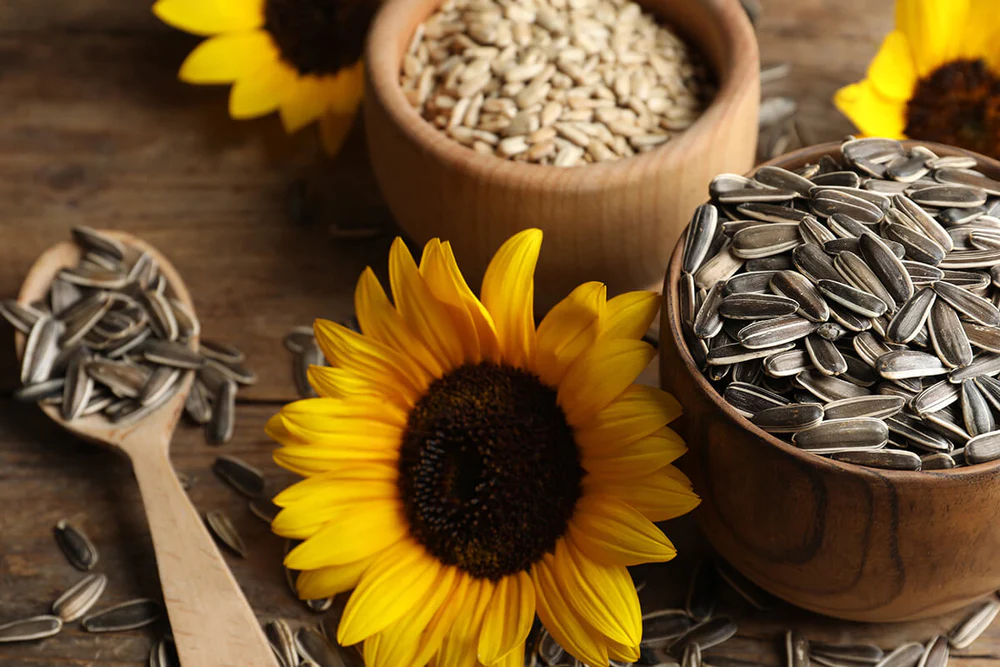
Sunflower seed composition is primarily determined by genetics, growing conditions, and post-harvest processing. The seed consists of a hull (pericarp), kernel (cotyledon), and embryo. The hull comprises approximately 20-30% of the seed's weight and is composed of cellulose, hemicellulose, and lignin, providing structural integrity. The kernel, the economically valuable portion, contains triglycerides (the primary component of sunflower oil), proteins (primarily globulins and albumins), carbohydrates (starch and fiber), and various micronutrients. Raw material variability in fatty acid profiles (oleic vs. linoleic) is significant. Manufacturing begins with agricultural practices – optimized fertilization, irrigation, and pest control significantly influence seed quality. Harvesting occurs when the seed moisture content reaches approximately 10-12%. Post-harvest processing includes cleaning (removal of debris), drying (reducing moisture to <9% for long-term storage), dehulling (separating the hull from the kernel – mechanical or chemical methods), grading (based on size and quality), and sorting (removal of damaged or discolored seeds). Key parameter control includes maintaining optimal drying temperatures (avoiding protein denaturation), ensuring efficient dehulling without kernel damage, and employing effective cleaning techniques to minimize contamination. The chemical composition is heavily reliant on cultivar, with high-oleic varieties gaining prominence due to improved oxidative stability.
Performance & Engineering
Sunflower seed performance is assessed through several key engineering parameters. Moisture content is critical, impacting storage life and susceptibility to fungal growth. Aflatoxin contamination, produced by Aspergillus species, is a primary food safety concern. Engineering controls focus on minimizing moisture content during drying and storage and implementing robust cleaning and sorting procedures. Hull strength influences dehulling efficiency; brittle hulls are desirable, but excessive fragility leads to kernel damage. Seed density affects sorting accuracy and oil extraction yield. Force analysis during dehulling involves quantifying the force required to separate the hull from the kernel, optimizing mechanical parameters to minimize breakage. Environmental resistance is primarily focused on maintaining seed viability under varying temperature and humidity conditions. Compliance requirements adhere to national and international food safety standards (detailed in the Standards & Regulations section). Functional implementation encompasses optimizing seed size for processing equipment, ensuring consistent oil content for efficient extraction, and maintaining nutritional integrity throughout the supply chain. Particle size distribution after grinding, if destined for feed applications, is a crucial performance parameter.
Technical Specifications
| Parameter | Unit | Typical Value (Oilseed Variety) | Typical Value (Confectionery Variety) |
|---|---|---|---|
| Oil Content | % (Dry Weight Basis) | 48-52 | 40-45 |
| Protein Content | % (Dry Weight Basis) | 20-24 | 22-26 |
| Moisture Content (Storage) | % | <9 | <8 |
| Hull Percentage | % (Seed Weight) | 28-32 | 20-25 |
| Kernel Size (Diameter) | mm | 8-12 | 10-16 |
| Aflatoxin Level (Max) | ppb | <20 | <5 |
Failure Mode & Maintenance
Sunflower seed failure modes are multifaceted. Biological degradation, primarily through fungal growth (leading to aflatoxin production), is a major concern. This is exacerbated by high moisture content and inadequate storage conditions. Physical damage (cracking, chipping) during harvesting, dehulling, or handling reduces quality and increases susceptibility to infestation. Lipid oxidation, particularly in unsaturated fatty acids, leads to rancidity and off-flavors, reducing shelf life. Failure analysis reveals that improper drying is a primary contributor to biological degradation. Delamination of the kernel, often caused by rapid temperature fluctuations during drying, compromises structural integrity. Maintenance strategies include implementing strict moisture control protocols (drying and storage), employing preventative pest control measures, utilizing appropriate packaging materials (low oxygen permeability), and adhering to first-in, first-out (FIFO) inventory management. Regular monitoring of aflatoxin levels and oil quality is crucial. For large-scale storage, controlled atmosphere storage (reducing oxygen levels) can significantly extend shelf life. Regular inspections for physical damage and signs of infestation are essential.
Industry FAQ
Q: What are the primary factors influencing the oil yield of sunflower seeds?
A: Oil yield is a complex trait influenced by genetics (cultivar), growing conditions (temperature, sunlight, water availability), and post-harvest processing (drying, dehulling). Higher temperatures during seed fill generally correlate with increased oil content, up to a certain threshold. Adequate water availability is critical during flowering and seed development. Proper drying and dehulling techniques minimize oil loss during processing. The fatty acid profile, particularly the oleic/linoleic acid ratio, also impacts the overall value of the oil.
Q: How can aflatoxin contamination be effectively mitigated?
A: Effective mitigation requires a multi-pronged approach. This includes selecting aflatoxin-resistant cultivars, optimizing agricultural practices to minimize insect damage (insects can introduce Aspergillus spores), ensuring rapid and thorough drying to reduce moisture content below 9%, implementing robust cleaning and sorting procedures to remove contaminated seeds, and utilizing appropriate storage conditions (low temperature, low humidity, and good ventilation). Regular testing for aflatoxin levels is essential throughout the supply chain.
Q: What is the difference between oilseed and confectionery sunflower seeds?
A: Oilseed varieties are specifically bred for high oil content and are primarily used for oil extraction. They typically have a smaller kernel size and a higher hull percentage. Confectionery varieties are larger, with a lower hull percentage, and are valued for their taste and texture when consumed directly as a snack. They typically have a different fatty acid profile and a higher protein content. The dehulling process is also more critical for confectionery seeds, as hull fragments are undesirable.
Q: What are the challenges associated with long-term storage of sunflower seeds?
A: The primary challenges are maintaining seed viability, preventing aflatoxin contamination, and minimizing lipid oxidation. High moisture content and temperature accelerate deterioration. Insect infestation can also lead to significant losses. Proper storage requires a cool, dry, and well-ventilated environment. Controlled atmosphere storage (reducing oxygen levels) can extend shelf life. Regular monitoring of moisture content, temperature, and aflatoxin levels is crucial.
Q: What role do packaging materials play in preserving sunflower seed quality?
A: Packaging materials play a critical role in protecting seeds from moisture, oxygen, and physical damage. Materials with low oxygen permeability are essential to prevent lipid oxidation and maintain freshness. Moisture-proof packaging prevents fungal growth and aflatoxin contamination. The packaging should also be durable enough to withstand handling and transportation. Consideration should be given to the packaging material’s impact on the environment and its recyclability.
Conclusion
Sunflower seed production and processing necessitate a thorough understanding of material science, engineering principles, and food safety regulations. Maintaining optimal moisture content throughout the entire supply chain – from harvest to storage – is paramount for preventing biological degradation and ensuring product quality. The selection of appropriate cultivars, optimized processing parameters, and adherence to stringent quality control measures are critical for maximizing oil yield, minimizing aflatoxin contamination, and meeting consumer demands.
Future advancements will likely focus on developing aflatoxin-resistant varieties through genetic engineering, optimizing drying and storage technologies to further minimize degradation, and enhancing analytical methods for rapid and accurate quality assessment. The industry’s continued success hinges on a commitment to sustainable agricultural practices, rigorous quality control, and ongoing innovation in processing and storage techniques.
