
Introduction
Sunflower seeds for sale in bulk represent a significant commodity within the agricultural and food processing industries. Helianthus annuus, the common sunflower, is cultivated for its oil-rich seeds which are consumed directly, processed for oil extraction, and utilized in animal feed. The bulk sale of these seeds necessitates a rigorous understanding of seed quality parameters, storage requirements, and potential contaminants. This technical guide provides an in-depth analysis of sunflower seeds intended for bulk purchase, covering material science, manufacturing processes impacting quality, performance characteristics relevant to various end-use applications, potential failure modes during storage and transportation, and applicable industry standards. The core pain point within the industry revolves around maintaining consistent seed quality—specifically oil content, moisture levels, and freedom from aflatoxins—across large volumes, impacting profitability and consumer safety. Effective quality control and appropriate storage solutions are therefore paramount.
Material Science & Manufacturing
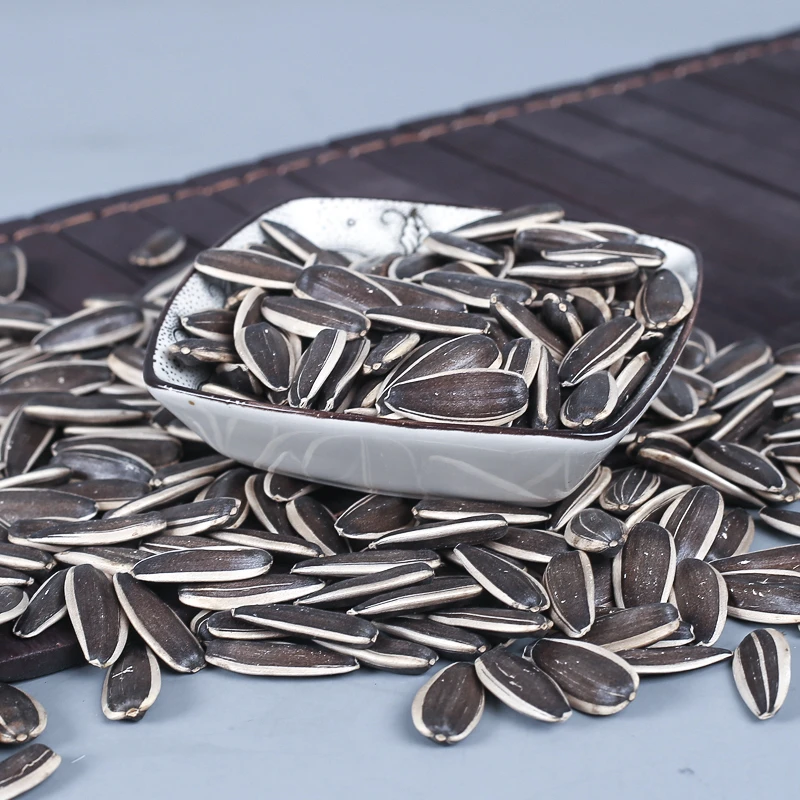
Sunflower seeds are primarily composed of lipid (oil) content ranging from 42-58% by weight, protein (20-25%), carbohydrates (10-15%), and fiber (5-10%). The oil is predominantly linoleic acid (a polyunsaturated omega-6 fatty acid) with varying amounts of oleic acid, depending on the seed variety (high-oleic vs. linoleic). The seed hull (pericarp) consists of cellulose, hemicellulose, and lignin, providing a protective barrier. Manufacturing begins with hybridization and selection for desired traits – oil content, disease resistance, and seed size. Harvesting is critical; optimal moisture content (approximately 9-12%) at harvest minimizes seed damage and fungal growth. Mechanical harvesting employs combines equipped with threshing and cleaning mechanisms. Post-harvest processing includes drying to further reduce moisture content to 6-8% for long-term storage. De-hulling is often performed, depending on the intended end-use. Seed grading, employing screens and air separation, categorizes seeds based on size and density. Key parameter control focuses on drying temperature (to prevent protein denaturation), cleaning efficiency (to remove foreign matter), and moisture content uniformity (to prevent localized mold growth). The seed coat's integrity is crucial; cracking during harvesting or processing increases susceptibility to oxidation and microbial contamination.
Performance & Engineering
The performance of sunflower seeds, particularly in applications beyond direct consumption, is dictated by several engineering properties. Bulk density, typically ranging from 600-700 kg/m³, influences storage capacity and transportation costs. Tensile strength of the seed hull impacts resistance to cracking during handling and processing. Moisture sorption isotherms are critical for predicting water activity, which correlates with microbial growth potential. A critical consideration is the assessment of seed viability, often determined through germination tests, reflecting the potential for successful crop establishment if the seeds are intended for agricultural purposes. Environmental resistance relates primarily to storage conditions – temperature and humidity control are vital to prevent lipid oxidation (rancidity) and mycotoxin production. Compliance requirements include adherence to food safety standards (e.g., maximum permissible levels of aflatoxins), as well as regulations governing genetically modified organisms (GMOs) if applicable. Force analysis during processing (e.g., de-hulling) must consider the seed’s structural integrity to minimize damage and maintain oil quality. Furthermore, the transportation of bulk seeds necessitates container integrity and temperature monitoring to prevent seed degradation.
Technical Specifications
| Parameter | Unit | Typical Value (Standard Grade) | Acceptable Range |
|---|---|---|---|
| Oil Content (Dry Basis) | % | 48% | 42-58% |
| Moisture Content | % | 7% | 6-9% |
| Aflatoxin Level (Total) | ppb | < 20 | < 20 (regulatory limit) |
| Foreign Matter | % | < 1% | < 2% |
| Broken/Damaged Seeds | % | < 3% | < 5% |
| Seed Size (Diameter) | mm | 12-16 | 10-18 |
Failure Mode & Maintenance
Sunflower seeds are susceptible to several failure modes during storage and transportation. Lipid oxidation, driven by exposure to oxygen, light, and heat, leads to rancidity, reducing oil quality and palatability. This is evidenced by an increased peroxide value and altered flavor profile. Microbial contamination, particularly by Aspergillus species, results in aflatoxin production – a potent carcinogen. Moisture absorption promotes fungal growth. Physical damage (cracking, abrasion) during handling compromises the seed coat, accelerating oxidation and increasing susceptibility to infestation by storage pests (e.g., weevils). Delamination of the seed coat can occur with fluctuating humidity. Maintenance strategies involve implementing strict storage protocols: maintaining low temperatures (below 15°C), controlling humidity (below 65% relative humidity), and ensuring proper ventilation. Regular monitoring of seed quality parameters (moisture content, oil quality, aflatoxin levels) is essential. Insecticide treatment may be necessary for pest control, adhering to regulatory guidelines. Proper cleaning and sanitation of storage facilities are critical to prevent microbial contamination. First-in, first-out (FIFO) inventory management minimizes storage duration and reduces the risk of degradation. The effectiveness of maintenance relies on preventative measures rather than reactive treatment of established problems.
Industry FAQ
Q: What is the significance of the acid value in sunflower seed quality assessment?
A: The acid value measures the free fatty acids present in the oil. A higher acid value indicates greater lipid hydrolysis and oxidation, signifying lower oil quality and potential rancidity. It's a key indicator of storage conditions and seed age.
Q: How does the seed variety (high-oleic vs. linoleic) impact shelf life?
A: High-oleic sunflower seeds have a significantly longer shelf life than linoleic varieties due to the greater stability of oleic acid against oxidation. Linoleic acid’s double bonds are more susceptible to oxidative degradation, leading to rancidity.
Q: What are the regulatory limits for aflatoxins in sunflower seeds, and how are they enforced?
A: Regulatory limits for total aflatoxins typically range from 20 ppb (parts per billion) to less, depending on the importing country or region. Enforcement involves routine sampling and testing using methods like ELISA (enzyme-linked immunosorbent assay) or HPLC (high-performance liquid chromatography). Non-compliant shipments are rejected or subject to further processing.
Q: What are the implications of inconsistent moisture content within a bulk shipment?
A: Inconsistent moisture content creates microclimates within the bulk storage, promoting localized fungal growth and aflatoxin production. It also affects the homogeneity of the product and can lead to caking or clumping.
Q: What packaging materials are recommended for long-term storage of bulk sunflower seeds?
A: Packaging materials with low oxygen permeability and moisture vapor transmission rates are recommended. Options include multi-layer polypropylene (PP) woven bags with polyethylene (PE) liners, or flexible intermediate bulk containers (FIBCs) – often referred to as ‘big bags’ – made from similar materials. Vacuum sealing or modified atmosphere packaging (MAP) can further extend shelf life.
Conclusion
Sunflower seeds for sale in bulk represent a complex agricultural commodity requiring stringent quality control and adherence to industry best practices. Understanding the material science—particularly the lipid composition and seed coat integrity—is crucial for predicting shelf life and potential degradation pathways. Effective manufacturing processes, focused on proper harvesting, drying, and cleaning, are essential for minimizing initial seed damage and contamination. Implementing robust storage and transportation protocols, centered on temperature and humidity control, is paramount to preventing oxidation, microbial growth, and physical deterioration.
Future advancements will likely focus on improved seed breeding for enhanced oil stability and disease resistance, coupled with the development of more sophisticated monitoring technologies for real-time assessment of seed quality during storage. The continued emphasis on food safety regulations will drive demand for higher-quality seeds and more comprehensive quality assurance programs, ultimately benefiting both producers and consumers.
