Introduction
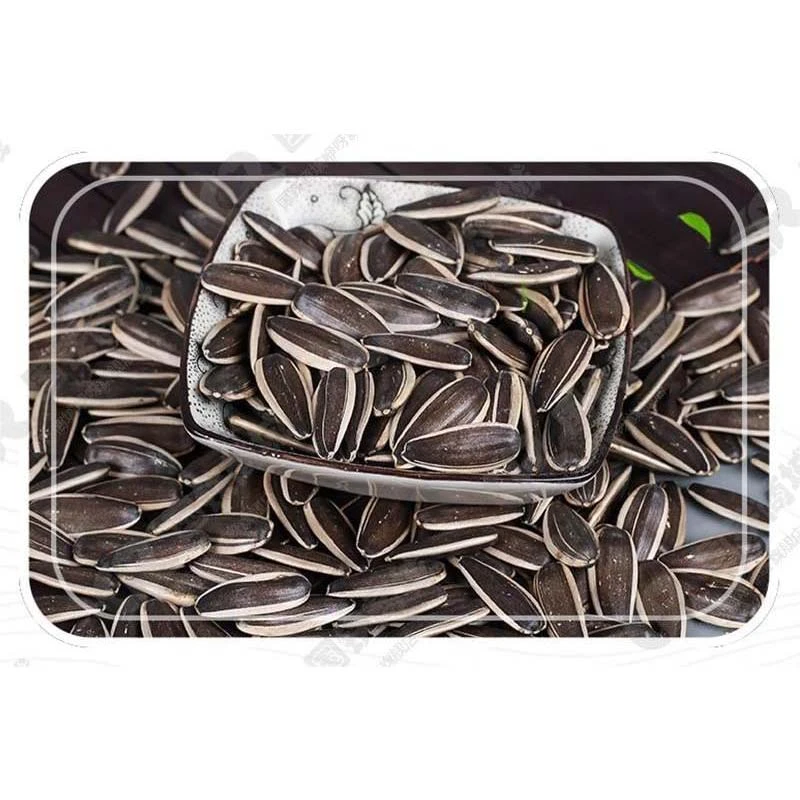
Sunflower seeds for planting, typically Helianthus annuus, represent a crucial input for the agricultural sector, specifically in oilseed production, confectionary applications, and bird feed industries. Positioned within the broader agricultural supply chain as a primary seed source, their quality directly impacts yield, oil content, and overall crop health. The bulk supply of these seeds differs significantly from retail packets, focusing on large-volume distribution to commercial growers. Core performance characteristics center around germination rate, purity (absence of weed seeds and foreign matter), oil content potential, and genetic consistency, all of which dictate the economic viability of subsequent cultivation. Understanding these elements is paramount for procurement managers and agricultural engineers aiming for optimized crop establishment and maximized return on investment. A growing concern within the industry centers around maintaining genetic purity and minimizing the risk of seed-borne diseases across large-scale planting operations.
Material Science & Manufacturing
The sunflower seed itself is a complex biological structure. The pericarp, or seed coat, is composed primarily of cellulose and lignin, providing a protective barrier against mechanical damage and environmental stresses. Its hardness, measured by impact resistance, directly affects seed handling during planting. Internally, the cotyledons store oil, triglycerides primarily, ranging from 40-60% of seed weight depending on the variety. The embryo contains the genetic information for the new plant. Manufacturing, in this context, refers to the processes of seed selection, drying, cleaning, grading, and treatment. Harvesting typically involves mechanical combines, followed by initial cleaning to remove chaff and debris. Crucially, drying to a moisture content of 8-10% is critical to prevent fungal growth and preserve viability. This is typically achieved using forced-air dryers, with temperature control being paramount to avoid heat damage to the embryo. Grading separates seeds by size and weight using sieves and air separators. Seed treatment involves coating with fungicides and insecticides to protect against soil-borne pathogens and pests, with active ingredient selection dependent on regional pest pressures and regulatory constraints. Parameter control during drying is key: temperature exceeding 45°C can significantly reduce germination rates due to protein denaturation. Chemical compatibility of seed treatments with the seed coat must be verified to avoid phytotoxicity.

Performance & Engineering
Performance assessment of sunflower seeds for planting relies heavily on germination testing, adhering to standards like ISTA (International Seed Testing Association) protocols. Germination rate, typically expressed as a percentage, must meet or exceed specified thresholds (e.g., >85% for hybrid varieties). Seed vigor, a measure of seedling establishment strength, is evaluated through accelerated aging tests and cold germination tests, simulating stressful environmental conditions. Engineering considerations relate to planting equipment compatibility. Seed size and shape influence the precision of metering devices in pneumatic planters. Force analysis during seed handling reveals potential for damage (cracking, chipping) impacting seed viability. Environmental resistance is critical; seed coat integrity must withstand abrasion during handling and planting. Compliance requirements include adherence to national seed laws regarding labeling, seed quality standards, and restrictions on genetically modified organisms (GMOs). The optimal planting depth, typically 2.5-5 cm, is dictated by soil moisture levels and seed size. Insufficient planting depth leads to moisture stress, while excessive depth can impede emergence. The influence of seed coating polymers on soil friction and seed flow within planter mechanisms also requires consideration.
Technical Specifications
| Germination Rate (%) | Oil Content (%) | Moisture Content (%) | Purity (%) |
|---|---|---|---|
| ≥85 | 42-50 | 8-10 | ≥99 |
| ≥90 (Hybrid Varieties) | 48-58 | ≤9 | ≥99.5 |
| ≥80 (Organic Certified) | 40-45 | 8-11 | ≥98 |
| ≥88 | 45-55 | 9-10 | ≥98.5 |
| ≥82 (Early Maturing Varieties) | 38-42 | 8-9 | ≥97 |
| ≥92 (Confectionery Varieties) | 52-60 | 7-9 | ≥99.8 |
Failure Mode & Maintenance
Failure modes in sunflower seed bulk storage and planting are multifaceted. Physical Damage: Cracking or chipping during handling and planting reduces viability. This is exacerbated by improper storage conditions and abrasive planter mechanisms. Biological Degradation: Fungal growth (e.g., Alternaria, Fusarium) during storage, especially with high moisture content, leads to seed rot and reduced germination. Insect infestation (e.g., weevils) can also compromise seed quality. Genetic Degradation: Over time, genetic purity can decline due to cross-pollination and seed mixing. Physiological Deterioration: Loss of embryo vigor due to aging, even under ideal storage conditions. Maintenance strategies include proper storage in cool, dry environments (temperature <15°C, humidity <60%). Implementing a robust pest control program. Regular germination testing to monitor seed viability. Using appropriate planter settings to minimize seed damage. Seed treatment with fungicides and insecticides. Rotating seed stocks to minimize aging effects. Proper cleaning and sanitation of storage facilities. Failure analysis should include microscopic examination of damaged seeds to identify the causative agent (fungus, insect, mechanical damage).
Industry FAQ
Q: What is the acceptable tolerance for weed seed contamination in a bulk sunflower seed lot?
A: The acceptable tolerance for weed seed contamination varies depending on the end-use and regulatory requirements. Generally, a maximum of 0.1% weed seed contamination by weight is considered acceptable for planting seed, as per ISTA standards. However, contracts may specify even stricter limits, particularly for certified seed destined for export or specific processing applications.
Q: How does seed treatment impact the overall cost-benefit analysis of sunflower cultivation?
A: Seed treatment adds to the initial cost, typically ranging from $5-15 per unit. However, the benefits often outweigh the cost. Effective seed treatment can significantly reduce seedling mortality due to soil-borne diseases and insect pests, leading to higher plant populations and increased yields. This translates to a higher return on investment, particularly in regions with high pest pressure or prevalent fungal diseases.
Q: What are the key considerations when evaluating different seed coatings for sunflower seeds?
A: Key considerations include the active ingredient(s) used (fungicide, insecticide, nematicide), the coating polymer's compatibility with planting equipment (avoiding bridging or clogging), the coating’s impact on seed flowability, and the cost-effectiveness of the treatment. It’s also important to verify that the seed treatment is registered for use in the intended growing region and complies with relevant regulations.
Q: How does seed size variability within a bulk lot affect planter performance?
A: Significant seed size variability can lead to inconsistent seed metering in pneumatic planters, resulting in uneven plant spacing and reduced yield potential. Planters are typically calibrated for a specific seed size range. Large-scale grading to minimize size variability is crucial for optimal planter performance and uniform crop establishment.
Q: What storage conditions are critical to maintaining sunflower seed viability over extended periods (e.g., >12 months)?
A: Maintaining low temperature (below 15°C) and low humidity (below 60%) is paramount for long-term seed viability. Proper ventilation is also essential to prevent moisture buildup. Storage facilities should be sealed to protect against insect infestation and rodent damage. Regular monitoring of temperature and humidity levels is recommended, and germination testing should be conducted periodically to assess seed quality.
Conclusion
Sunflower seeds for planting, as a foundational agricultural input, necessitate rigorous quality control and an understanding of their complex biological and physical properties. Optimizing germination rates, purity, and oil content potential are critical for maximizing yield and economic returns. Maintaining seed viability through proper storage and handling protocols is equally important, mitigating risks associated with biological degradation and physical damage.
Future advancements in seed technology will likely focus on developing improved seed coatings with enhanced protection against pests and diseases, as well as utilizing precision agriculture techniques to optimize planting depth and seed spacing. Continuous monitoring of seed quality through advanced analytical methods and adherence to international standards will remain essential for ensuring a sustainable and productive sunflower industry.
