Introduction
Sunflower seeds for oil making (Helianthus annuus) represent a crucial agricultural commodity within the global vegetable oil industry. Positioned between primary agricultural production and downstream refining, the quality and characteristics of these seeds directly influence oil yield, oil quality, and processing efficiency. This guide provides a comprehensive technical overview of sunflower seeds intended for oil extraction, encompassing material science, manufacturing considerations, performance characteristics, potential failure modes, and relevant industry standards. The inherent variability in sunflower seed composition presents ongoing challenges for oil producers, necessitating a detailed understanding of the factors affecting oil content, fatty acid profile, and the presence of undesirable components. This document serves as a resource for procurement managers, process engineers, and quality control personnel involved in the sunflower oil supply chain.
Material Science & Manufacturing
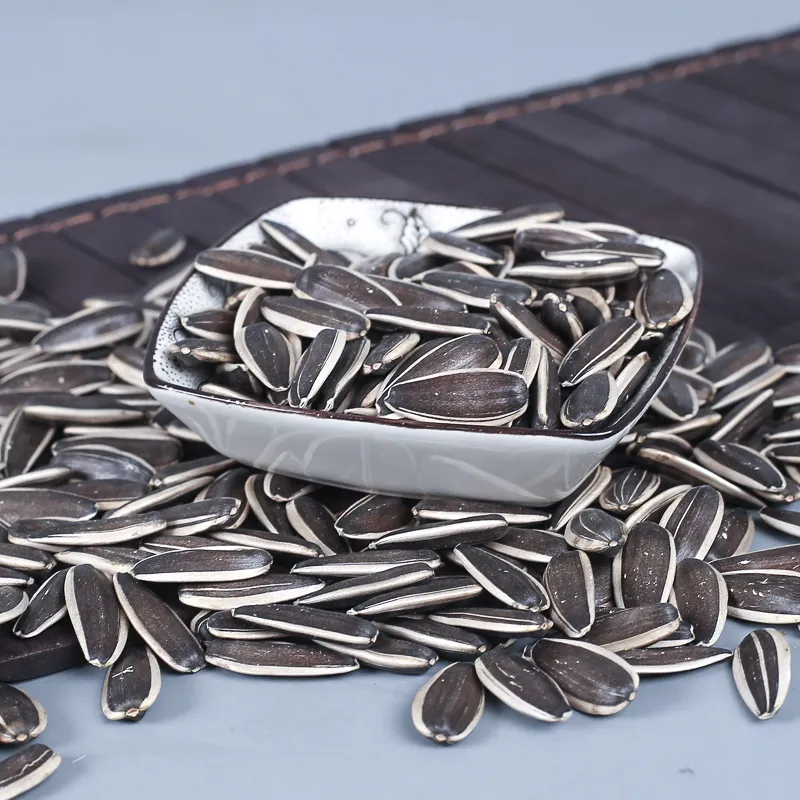
Sunflower seeds are comprised of several key components: the hull (approximately 20-30% by weight), the kernel (approximately 65-75% by weight, containing the oil), and the germ (approximately 5-10% by weight). The hull’s primary material is cellulose and lignin, providing structural integrity. The kernel consists primarily of lipids (40-55% oil content, varying by variety), proteins (18-25%), carbohydrates (10-15%), and moisture (6-10%). The germ contains valuable nutrients but can contribute to oil instability due to phospholipid content. Manufacturing begins with agricultural cultivation, influencing seed quality. Hybridization programs aim to maximize oil content, linoleic/oleic acid ratios, and disease resistance. Post-harvest processing includes cleaning (removal of foreign materials), drying (reducing moisture content to below 9% to prevent mold growth), dehulling (separating the hull from the kernel – mechanical cracking and aspiration are common), and kernel sizing (grading by size to ensure uniform processing). Crucially, temperature control during drying is paramount. Excessive temperatures (above 60°C) can lead to protein denaturation and reduced oil quality. Parameter control focuses on maintaining consistent moisture levels, minimizing hull damage during dehulling (which can introduce fine particles that increase oil impurity), and ensuring proper kernel sizing for efficient extraction. The raw material’s chemical composition – specifically, the ratio of linoleic to oleic acid – is heavily influenced by genetics and environmental factors (sunlight exposure, temperature, and water availability during seed development).
Performance & Engineering
The performance of sunflower seeds in oil extraction is fundamentally governed by their physical and chemical properties. Key engineering considerations center around the efficient disruption of the oil-bearing cells within the kernel to maximize oil release. This is typically achieved through mechanical pressing (screw pressing, expelling) or solvent extraction (using hexane). Force analysis is critical in press design, optimizing screw pitch, pressure, and shear forces to minimize kernel damage and maximize oil yield. Environmental resistance, particularly moisture content, significantly affects processing. High moisture content reduces extraction efficiency and promotes microbial growth. Compliance requirements, as dictated by food safety regulations (e.g., FDA in the US, EFSA in Europe), mandate stringent control of pesticide residues, heavy metal contamination, and aflatoxin levels. Functional implementation of oil extraction involves multiple stages: pre-treatment (cleaning, dehulling, conditioning – adjusting moisture and temperature), extraction (pressing or solvent extraction), oil refining (degumming, neutralization, bleaching, deodorization), and meal processing (solvent removal from the meal and subsequent utilization as animal feed). The efficiency of each stage directly impacts the overall profitability of the operation.
Technical Specifications
| Parameter | Unit | Typical Range | Test Method |
|---|---|---|---|
| Oil Content (Dry Basis) | % | 40 – 55 | Soxhlet Extraction (AOCS Official Method) |
| Moisture Content | % | 6 – 9 | Oven Drying (AOCS Official Method) |
| Kernel Hull Content | % | 5 – 15 | Visual Inspection & Weight Separation |
| Free Fatty Acids (FFA) | % | < 1.0 | Titration (AOCS Official Method) |
| Peroxide Value (PV) | meq O2/kg | < 10 | Titration (AOCS Official Method) |
| Linoleic Acid Content | % of Total Fatty Acids | 50 – 70 | Gas Chromatography (AOCS Official Method) |
Failure Mode & Maintenance
Sunflower seeds, and the oil derived from them, are susceptible to several failure modes. Lipid oxidation is a primary concern, leading to rancidity, off-flavors, and reduced oil quality. This is accelerated by exposure to oxygen, light, and heat. Aflatoxin contamination, caused by Aspergillus molds, presents a significant health hazard. This is influenced by pre-harvest conditions (drought stress) and post-harvest storage practices (inadequate drying, high humidity). Fatigue cracking of the seed kernel during processing can occur if excessive pressure is applied during pressing, leading to increased oil impurity. Degradation of protein content reduces the nutritional value of the sunflower meal byproduct. Oxidation of phospholipids in the germ contributes to oil instability. Maintenance practices include stringent quality control of incoming seeds (aflatoxin testing, moisture content analysis), optimized storage conditions (low temperature, dry environment, dark storage), regular cleaning of processing equipment to prevent mold growth, and proper calibration of pressing equipment to avoid excessive force. Antioxidant addition during refining can mitigate lipid oxidation. Implementing a robust HACCP (Hazard Analysis and Critical Control Points) system is essential for ensuring food safety and preventing failure modes related to contamination.
Industry FAQ
Q: What is the optimal moisture content for sunflower seeds prior to oil extraction?
A: The optimal moisture content is typically between 8% and 9%. Lower moisture content can lead to increased hull breakage during dehulling, while higher moisture content reduces extraction efficiency and promotes microbial growth. Precise control is crucial for maximizing oil yield and preserving oil quality.
Q: How does the linoleic/oleic acid ratio impact the stability and application of sunflower oil?
A: Sunflower oil with a high linoleic acid content is more susceptible to oxidation, resulting in a shorter shelf life. High-oleic sunflower oil, with a greater proportion of oleic acid, exhibits superior oxidative stability and is preferred for applications requiring high heat stability, such as frying. The ratio dictates suitability for various food processing applications.
Q: What are the key analytical tests performed to assess sunflower seed quality?
A: Key tests include oil content determination (Soxhlet extraction), moisture content analysis (oven drying), free fatty acid analysis (titration), peroxide value measurement (titration), aflatoxin testing (HPLC or ELISA), and fatty acid profile analysis (gas chromatography). These tests ensure compliance with quality standards and identify potential issues.
Q: What are the primary methods for reducing aflatoxin contamination in sunflower seeds?
A: Reducing aflatoxin contamination involves minimizing stress on the plants during growth (adequate irrigation, fertilization), preventing insect damage in the field, ensuring rapid and thorough drying of the seeds after harvest, and implementing proper storage practices (low temperature, dry environment). Aflatoxin testing and segregation of contaminated batches are also essential.
Q: How does the dehulling process impact oil quality and extraction efficiency?
A: Efficient dehulling is critical. Excessive hull damage introduces fine particles that can increase oil impurity and reduce filtration efficiency. Incomplete dehulling leaves hull fragments attached to the kernels, reducing oil yield. Optimized dehulling parameters (impact force, gap settings) are vital for balancing hull removal and kernel integrity.
Conclusion
Sunflower seeds for oil making represent a complex biological material requiring careful attention to both agronomic practices and processing techniques. Optimizing oil yield and quality necessitates a deep understanding of the seeds’ material science, including the composition of the kernel, hull, and germ, as well as the impact of environmental factors on fatty acid profiles and contamination risks. The implementation of rigorous quality control measures, from pre-harvest monitoring to post-harvest storage and processing, is essential for mitigating failure modes and ensuring compliance with stringent food safety regulations.
Future advancements in sunflower breeding and processing technologies will likely focus on increasing oil content, enhancing oxidative stability, and developing more sustainable extraction methods. Continued research into the biochemical pathways involved in lipid biosynthesis and the mechanisms of aflatoxin resistance will be crucial for improving the efficiency and resilience of the sunflower oil industry. The integration of data analytics and machine learning can further optimize processing parameters and predict potential quality issues, driving continuous improvement in sunflower oil production.
