Introduction
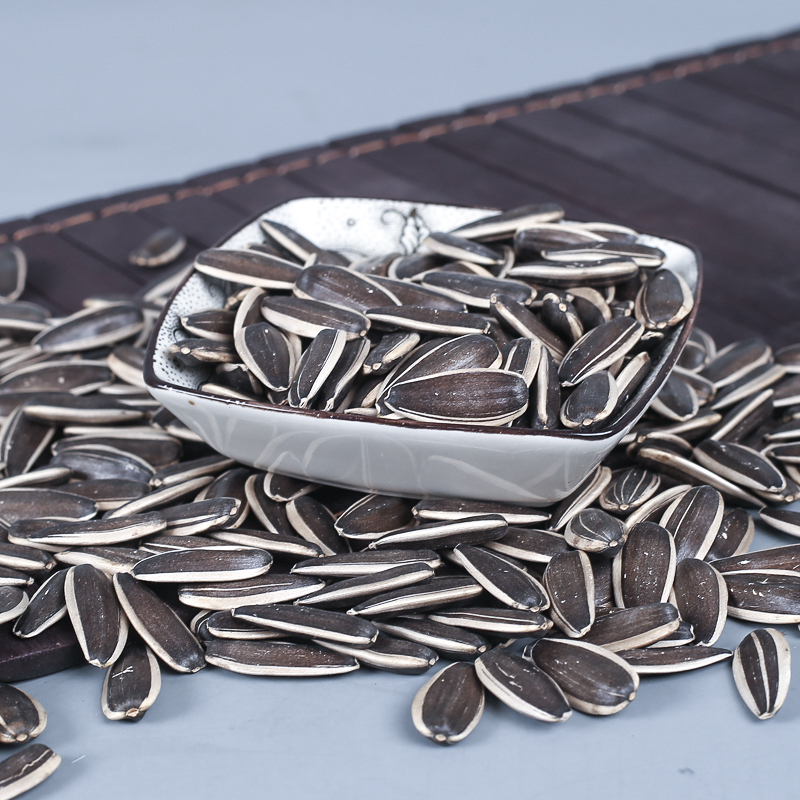
Sunflower seeds ( Helianthus annuus) for avian consumption represent a significant segment of the bird feeding industry. Positioned as a primary energy source, these seeds are valued for their high oil content and palatable kernel. The industry chain begins with agricultural cultivation and harvesting, progresses through processing – including drying, dehulling (often partial), and grading – and culminates in packaging and distribution to retail outlets and direct consumers. Core performance characteristics revolve around oil content (influencing caloric density), kernel size and hull integrity (affecting ease of consumption for different bird species), and freedom from contaminants such as mycotoxins and pathogens. This guide provides a detailed technical overview of sunflower seeds specifically intended for the bird feeding market, covering material science, manufacturing, performance, failure modes, and relevant industry standards.
Material Science & Manufacturing
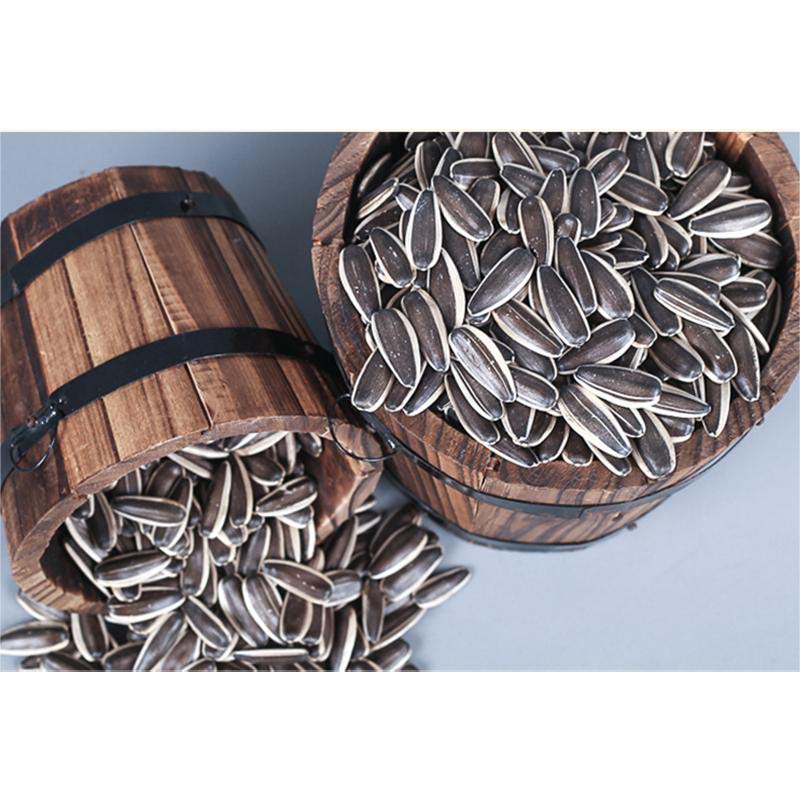
Sunflower seeds comprise three primary components: the hull (pericarp), the kernel (cotyledon), and the embryonic root. The hull is predominantly cellulose and lignin, providing structural protection. The kernel consists primarily of lipids (30-50% depending on variety), proteins (20-25%), carbohydrates (15-20%), and fiber. Lipid composition is dominated by linoleic acid, an omega-6 fatty acid crucial for avian metabolism. Manufacturing begins with the selection of oilseed sunflower varieties optimized for seed size and oil content. Harvesting is typically mechanical, followed by drying to reduce moisture content to below 9% to inhibit mold growth. Dehulling is a critical process, the degree of which varies based on target bird species. Larger birds can process seeds with a significant portion of the hull intact, while smaller birds benefit from a higher degree of dehulling. Mechanical dehulling involves abrasive action and can generate fines (small kernel fragments). Quality control at this stage includes visual inspection for damaged kernels, foreign material, and monitoring of kernel moisture. Seed grading is performed using screens to separate seeds by size. Furthermore, ethylene oxide treatment is sometimes used to address potential fungal contamination, though this practice is facing increased scrutiny due to residue concerns. Parameter control during drying (temperature and airflow) is essential to prevent denaturation of proteins and oxidation of lipids. The lipid oxidation is a primary driver of seed rancidity and reduced nutritional value.
Performance & Engineering
The performance of sunflower seeds as bird feed is heavily influenced by their physical and chemical properties. Force analysis, specifically shell cracking strength, is a critical consideration. Birds employ varying beak forces depending on species; therefore, hull integrity must be optimized accordingly. Environmental resistance is primarily related to lipid stability and susceptibility to moisture reabsorption. Exposure to oxygen, light, and elevated temperatures accelerates lipid peroxidation, leading to rancidity and vitamin E degradation. Moisture reabsorption can promote fungal growth. Compliance requirements vary by region, including regulations concerning mycotoxin levels (aflatoxins, ochratoxins), pesticide residues, and Salmonella contamination. Functional implementation relates to the seed’s digestibility and nutritional contribution. The high fat content provides a concentrated energy source, vital for maintaining body temperature and supporting flight activity. The protein content supports muscle development and feather growth. Fiber aids in digestive health. The bioavailability of nutrients, particularly Vitamin E, is affected by processing techniques and storage conditions. Particle size distribution also impacts feed flowability in automated feeding systems and prevents bridging.
Technical Specifications
| Parameter | Unit | Typical Value (Black Oil Sunflower Seeds) | Typical Value (Striped Sunflower Seeds) |
|---|---|---|---|
| Oil Content (Dry Basis) | % | 40-50 | 35-40 |
| Kernel Hardness (Shell Cracking Strength) | N | 10-20 | 20-30 |
| Moisture Content | % | < 9 | < 9 |
| Linoleic Acid Content | % of Total Fat | 60-70 | 50-60 |
| Aflatoxin Level (Max.) | ppb | 20 | 20 |
| Hull Percentage | % | 20-30 | 30-40 |
Failure Mode & Maintenance
Sunflower seeds are susceptible to several failure modes during storage and consumption. Lipid oxidation (rancidity) is a common issue, indicated by an off-odor and reduced palatability. This is accelerated by exposure to air, light, and heat. Insect infestation (e.g., weevils) can lead to kernel damage and contamination. Fungal growth, particularly the production of mycotoxins (aflatoxins), poses a significant health risk to birds. Physical damage during handling and processing (cracked kernels) reduces quality and increases dust generation. Maintenance includes proper storage in cool, dry, and dark conditions. Airtight containers are essential to prevent moisture absorption and oxidation. Regular inspection for signs of infestation or mold is crucial. First-in, first-out (FIFO) inventory management minimizes storage time. Avoid storing seeds near strong odors, as they can be readily absorbed. Cleaning feeders regularly prevents the accumulation of hulls and debris, reducing the risk of fungal growth and bacterial contamination. Utilizing seed feeders with features that minimize moisture exposure (e.g., covered feeders) can improve shelf life.
Industry FAQ
Q: What is the significance of the acid value in sunflower seeds for bird feed?
A: The acid value is a measure of free fatty acids, indicating the degree of lipid hydrolysis and oxidation. A higher acid value signifies greater rancidity and reduced nutritional value. It’s a critical quality control parameter, and exceeding a specified threshold renders the seeds unsuitable for bird consumption.
Q: How does the level of hulling affect the digestibility of sunflower seeds for different bird species?
A: Increased hulling generally improves digestibility, especially for smaller bird species with weaker beak strength. However, some larger birds are capable of efficiently cracking hulls and may benefit from the additional fiber content. The optimal hulling level depends on the target bird species and the intended use of the feed.
Q: What are the regulatory limits for aflatoxin contamination in sunflower seeds destined for animal feed in the US and EU?
A: In the US, the FDA sets the maximum allowable level of aflatoxin in animal feed at 20 parts per billion (ppb). The European Union has a similar limit of 20 ppb, although regulations can vary slightly depending on the specific animal species the feed is intended for.
Q: What is the impact of storage temperature on the shelf life of sunflower seeds?
A: Storage temperature is a critical factor influencing shelf life. Lower temperatures significantly slow down the rates of lipid oxidation, fungal growth, and insect activity. Ideally, sunflower seeds should be stored at temperatures below 15°C (59°F) to maximize shelf life. Avoid temperature fluctuations.
Q: What preventative measures can be taken to minimize mycotoxin contamination during sunflower seed production?
A: Minimizing mycotoxin contamination requires a multi-faceted approach, starting with selecting disease-resistant sunflower varieties. Proper harvesting techniques, including avoiding damage to seeds, and rapid drying to reduce moisture content are essential. Effective storage practices, including temperature and humidity control, are also crucial. Pre-harvest application of certain fungicides may be considered in some regions, but must adhere to regulatory guidelines.
Conclusion
Sunflower seeds represent a vital nutritional component within the avian dietary landscape. Their performance is intrinsically linked to the complex interplay of material science – specifically lipid composition, hull integrity, and kernel hardness – and diligent manufacturing processes focused on minimizing contamination and preserving nutritional value. Understanding the potential failure modes, primarily lipid oxidation and fungal growth, is paramount for ensuring product quality and consumer safety.
Future advancements in sunflower seed processing may focus on enzymatic treatments to enhance digestibility, novel coating technologies to improve lipid stability, and improved detection methods for mycotoxins. Continued research into optimal hulling techniques for various bird species and the development of sustainable storage solutions will also contribute to the advancement of this important segment of the bird feeding industry. Maintaining adherence to stringent quality control standards and relevant international regulations remains central to delivering a safe and nutritious product to avian consumers.
